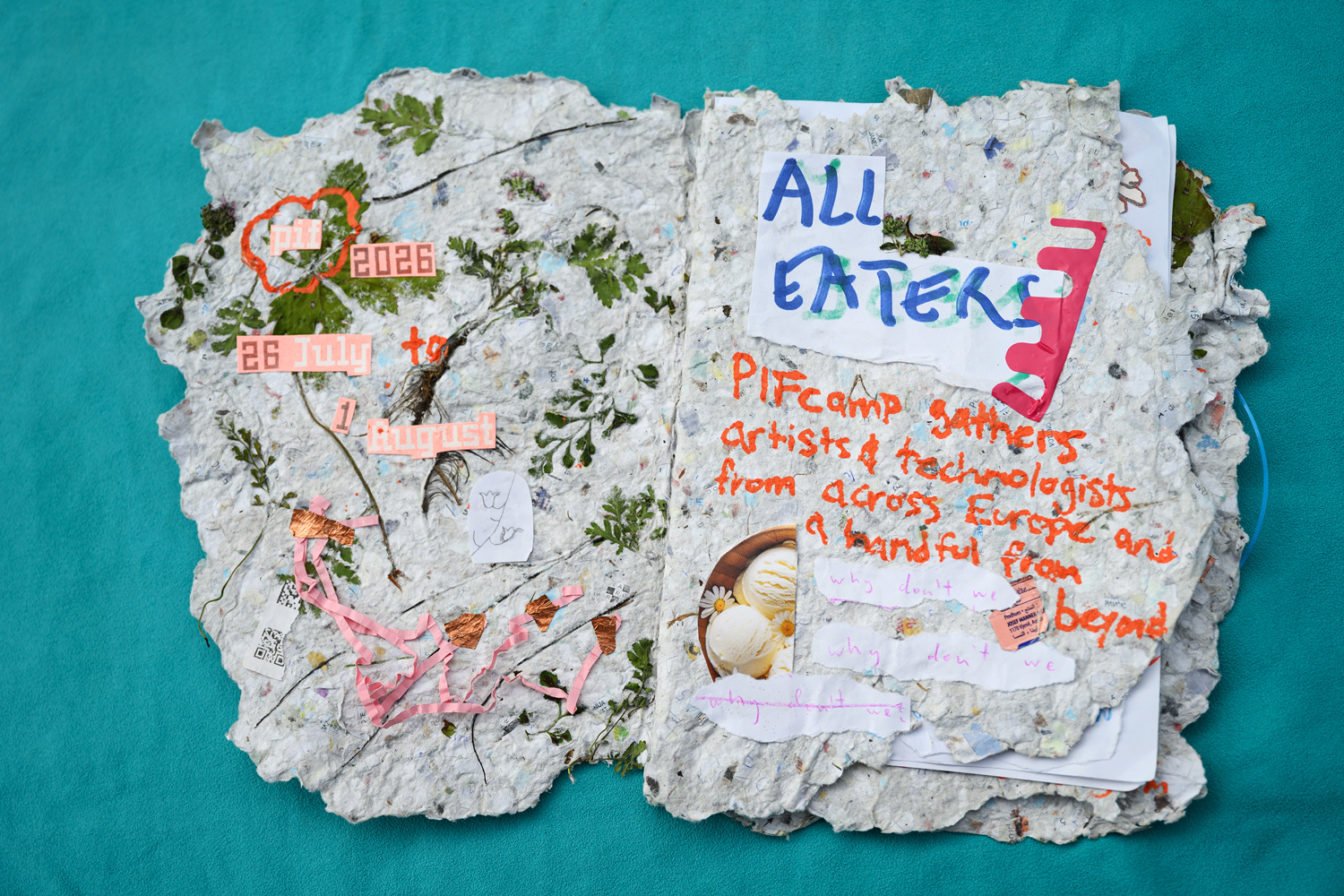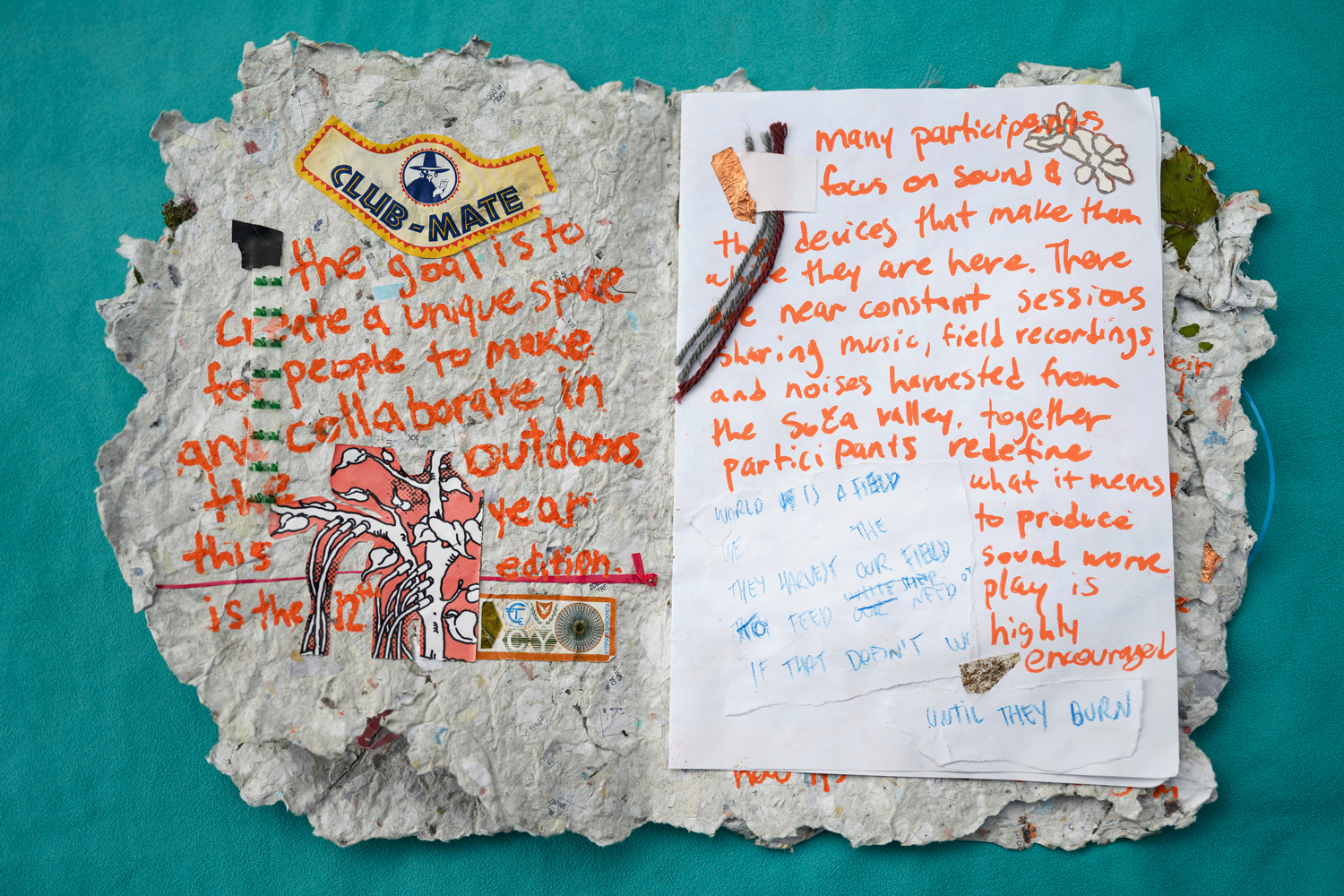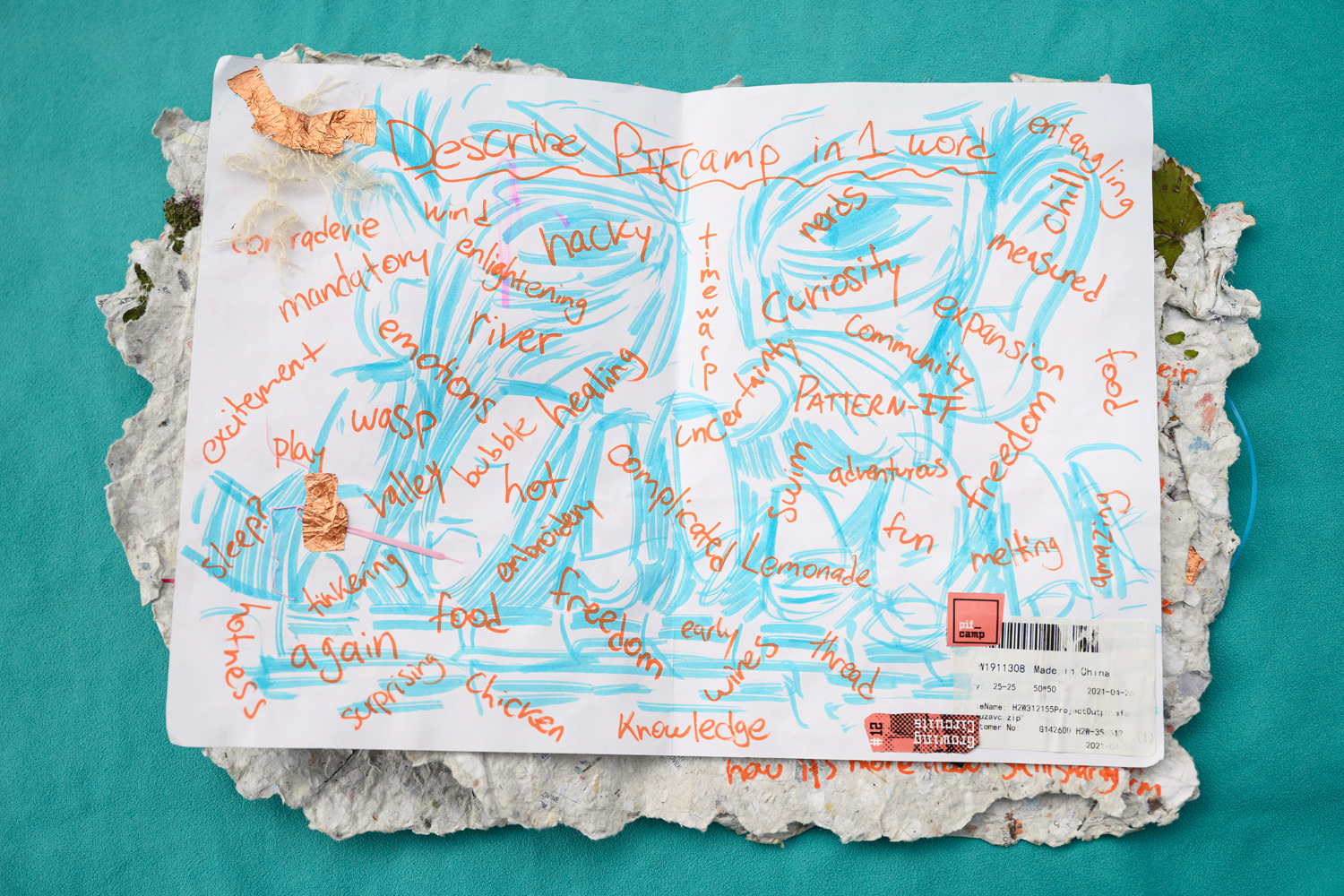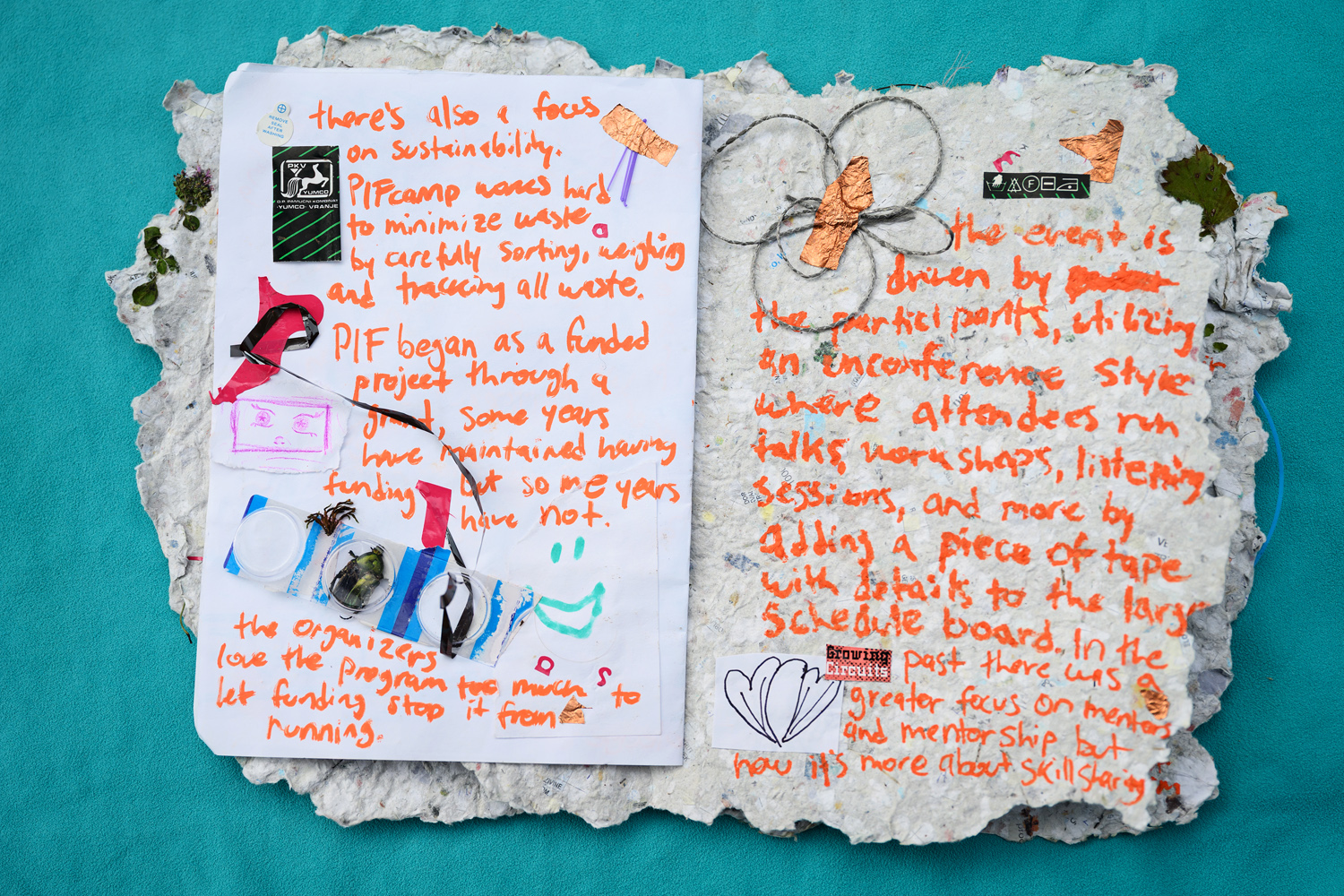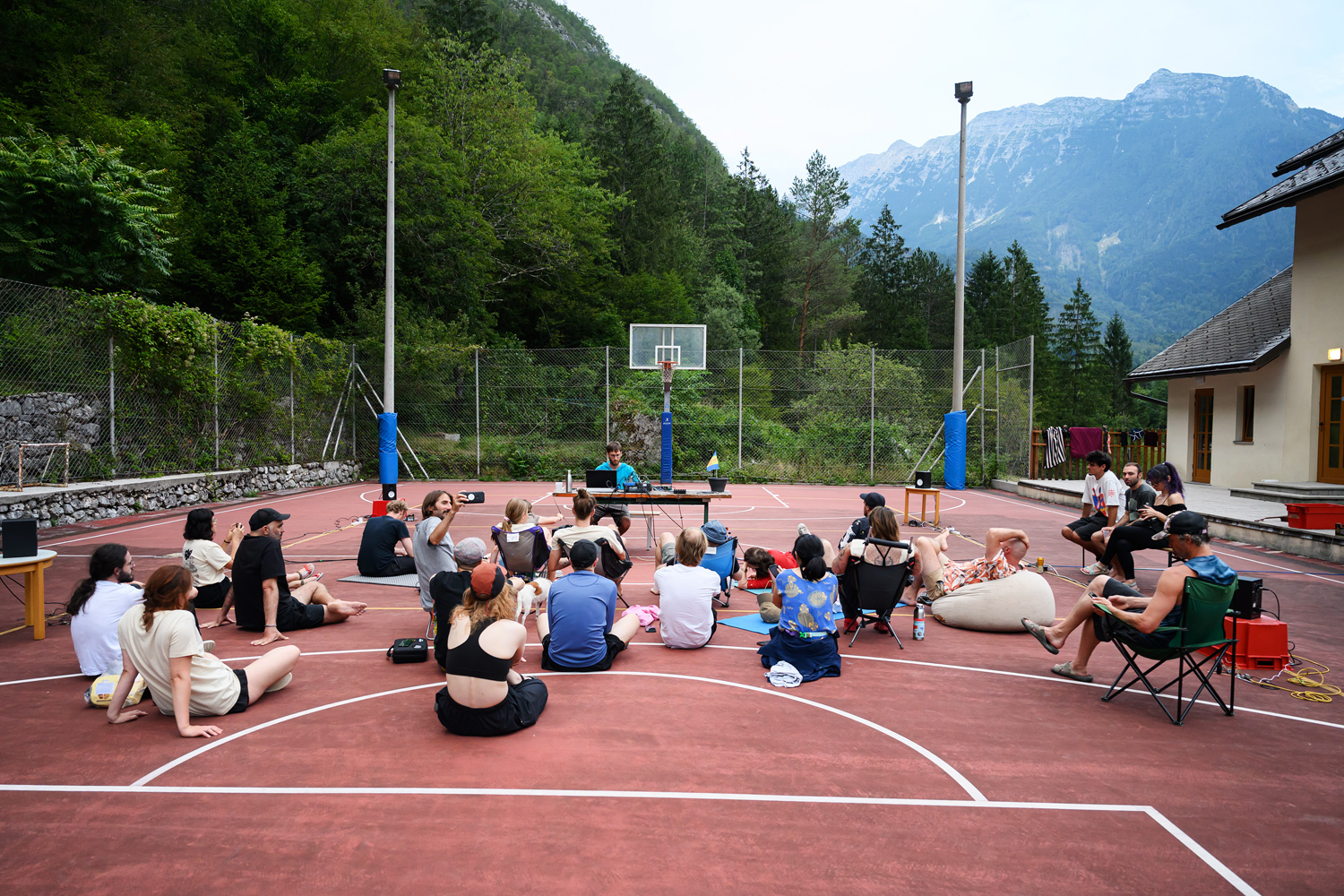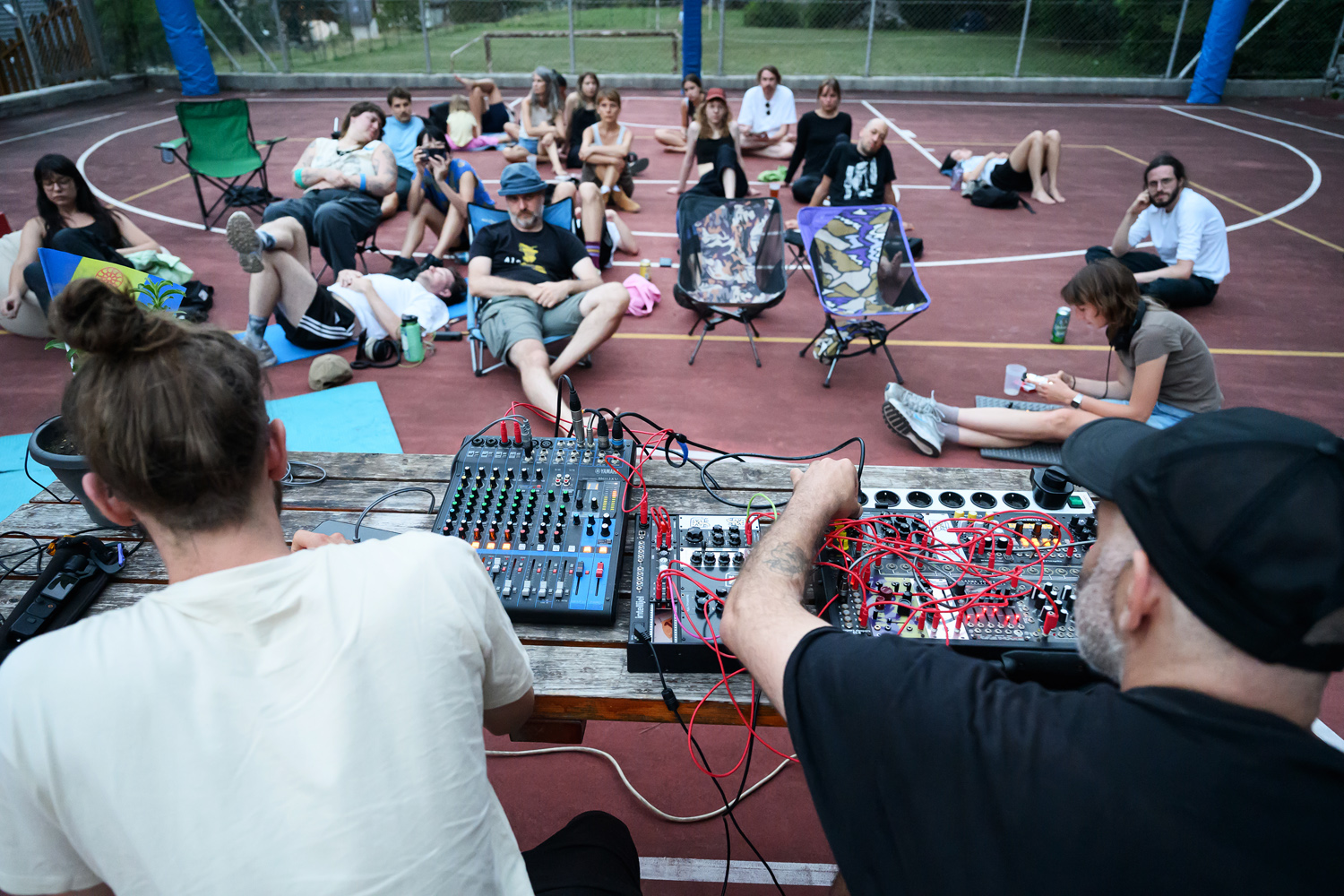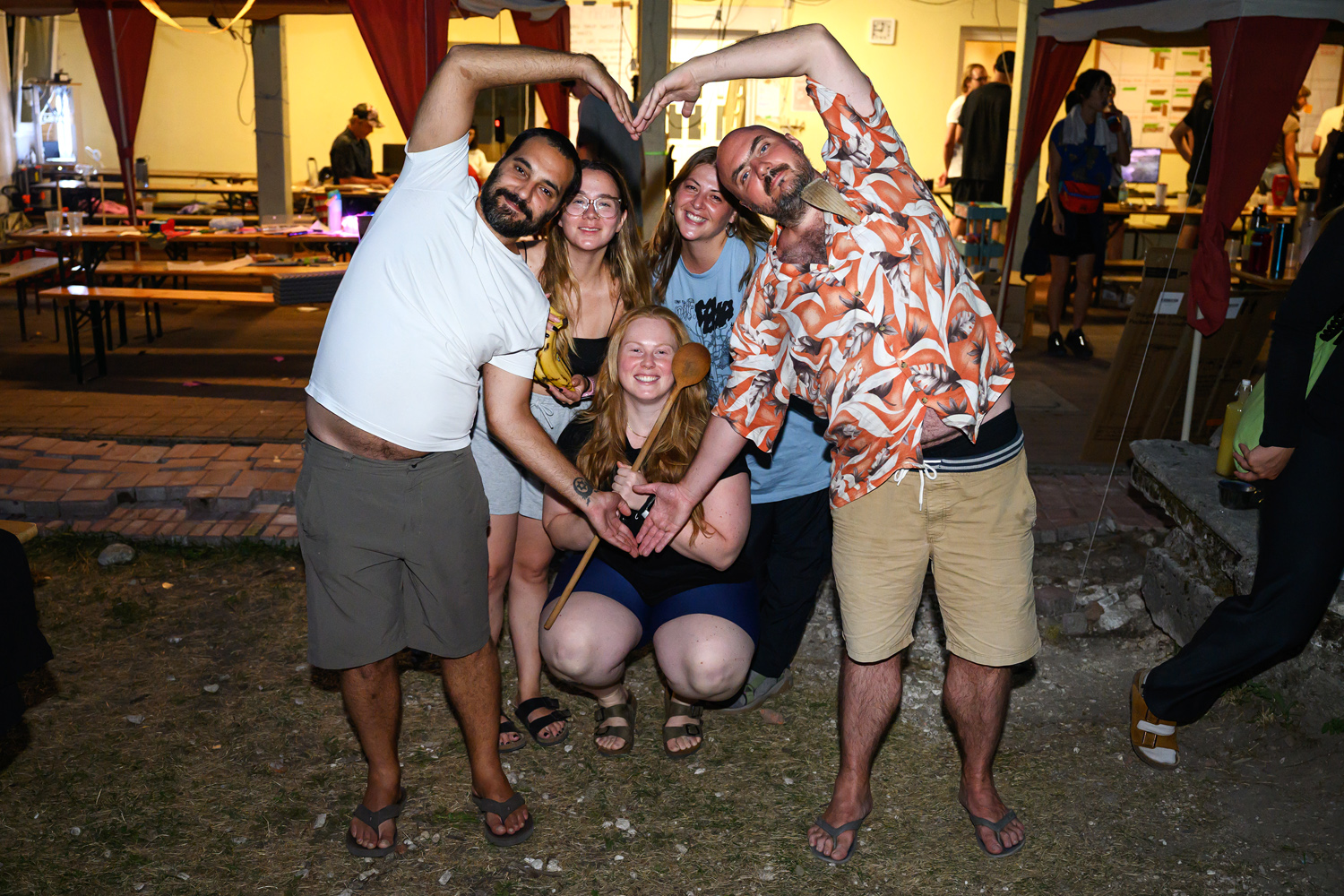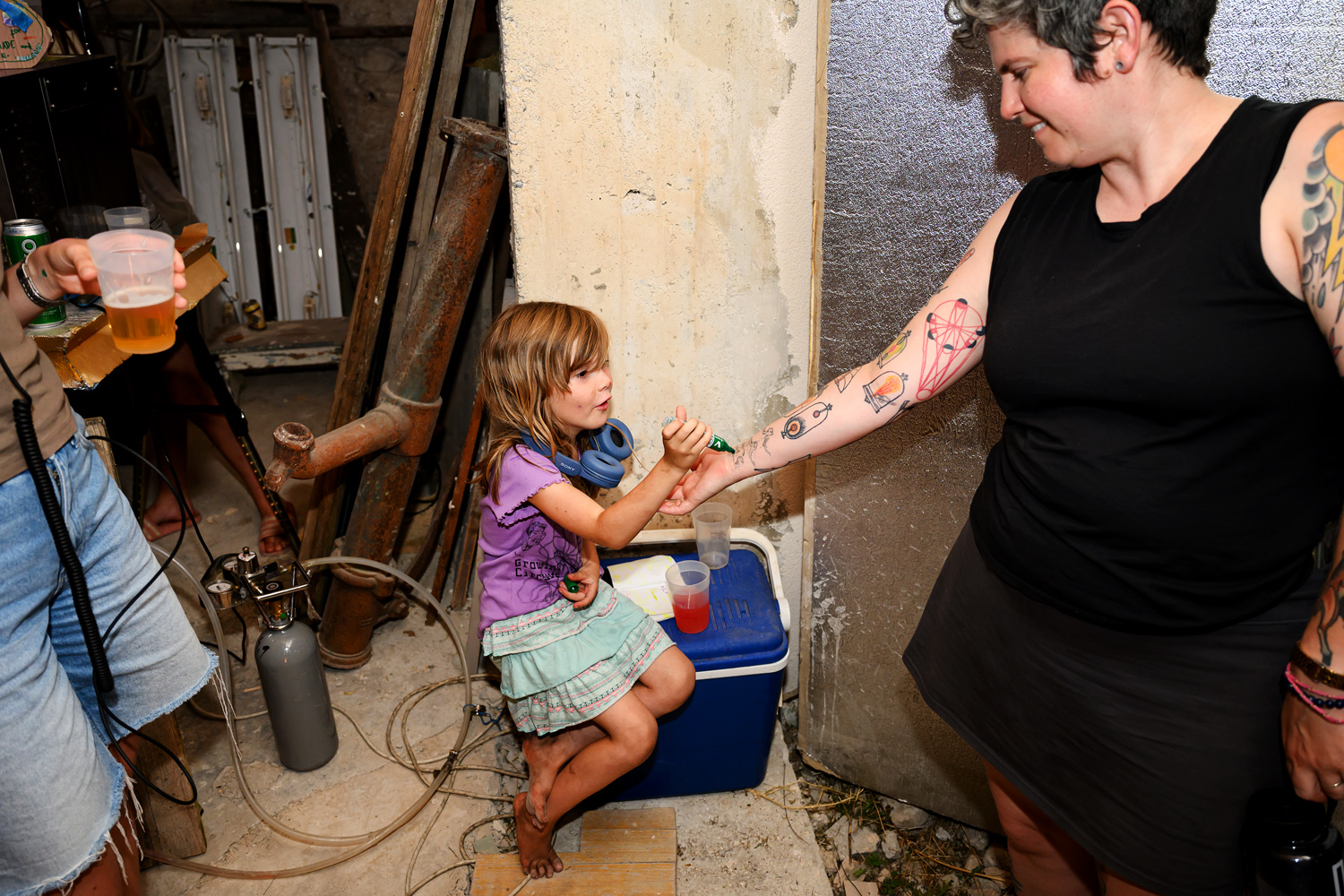
Sid’s PIFblog: part 3


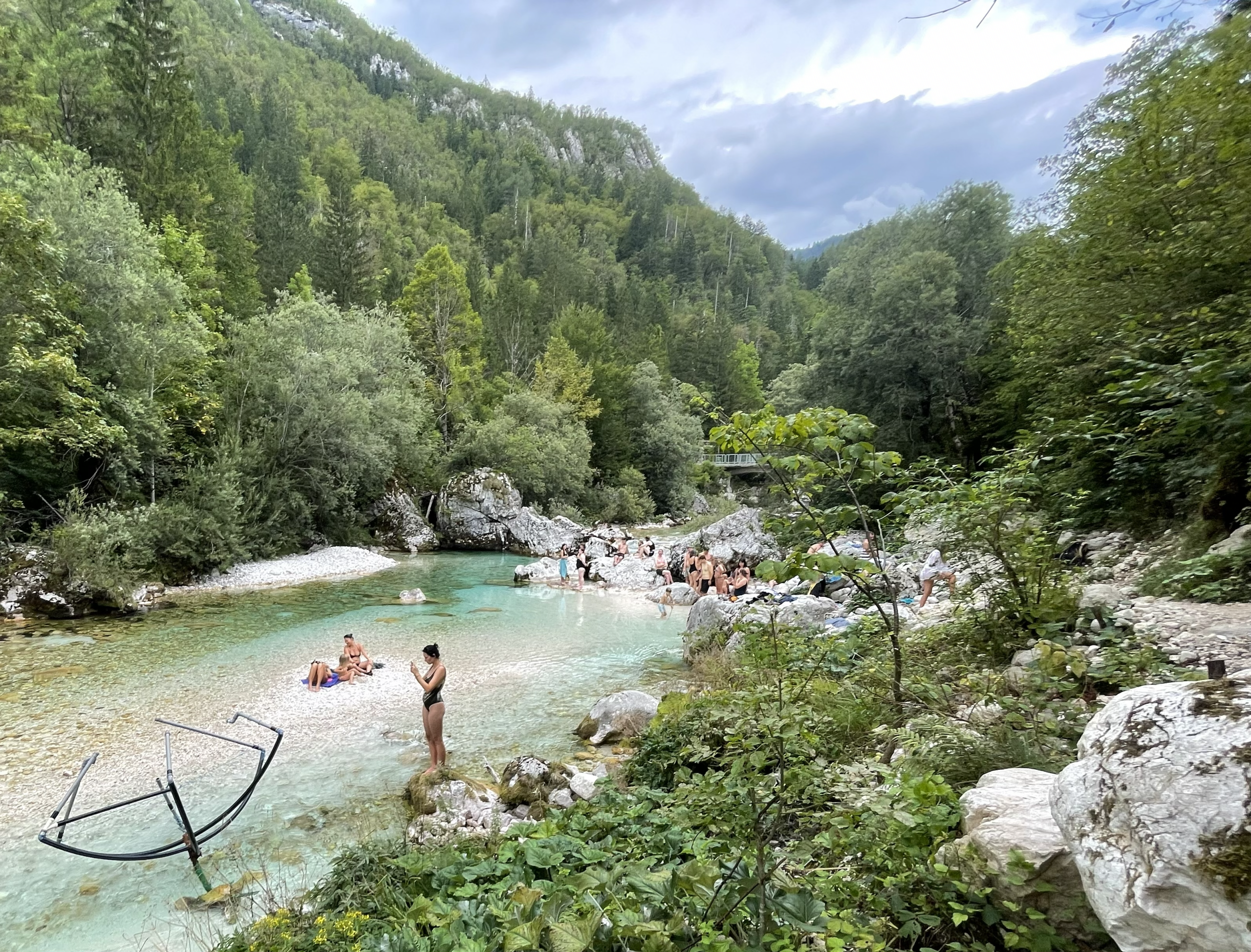
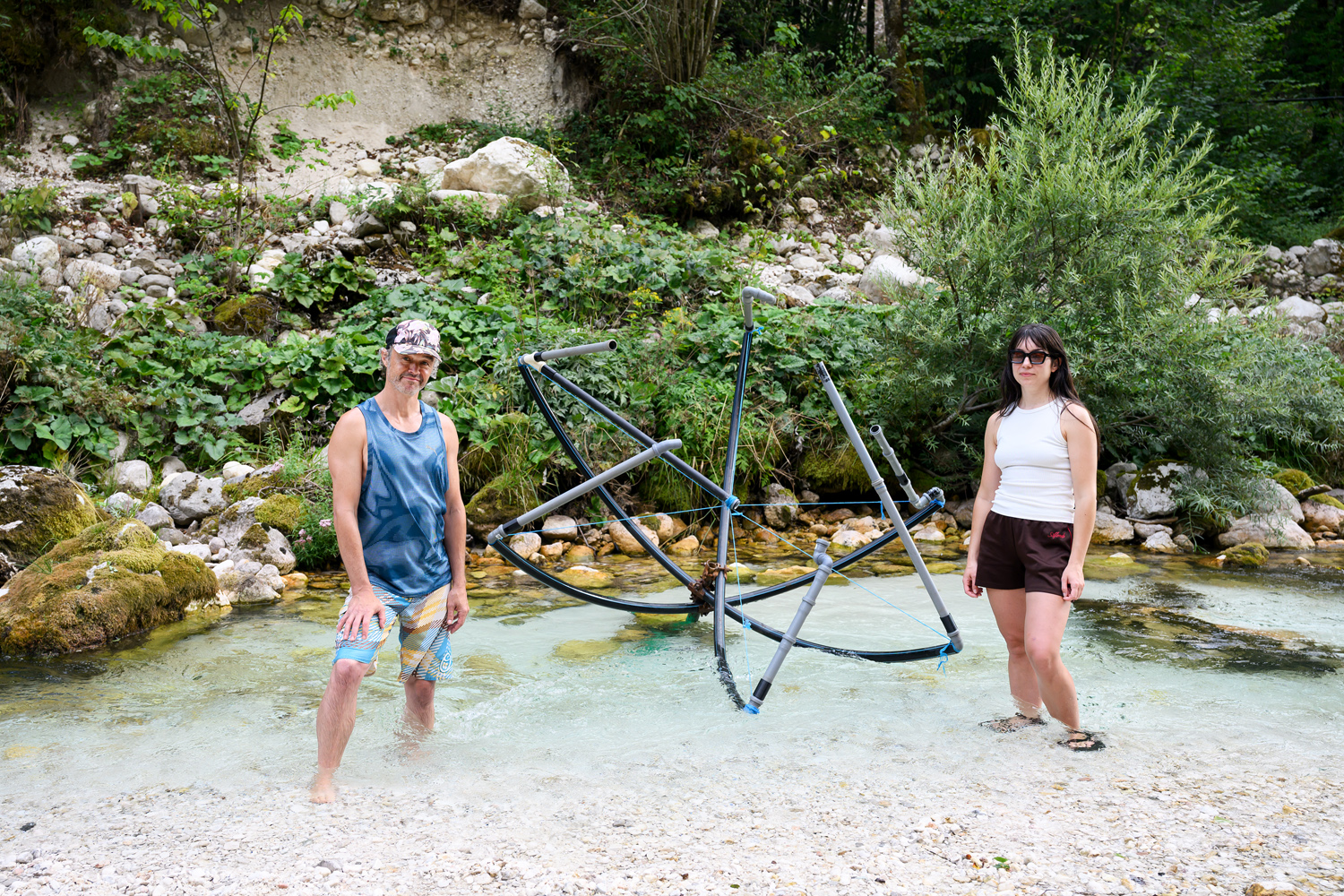
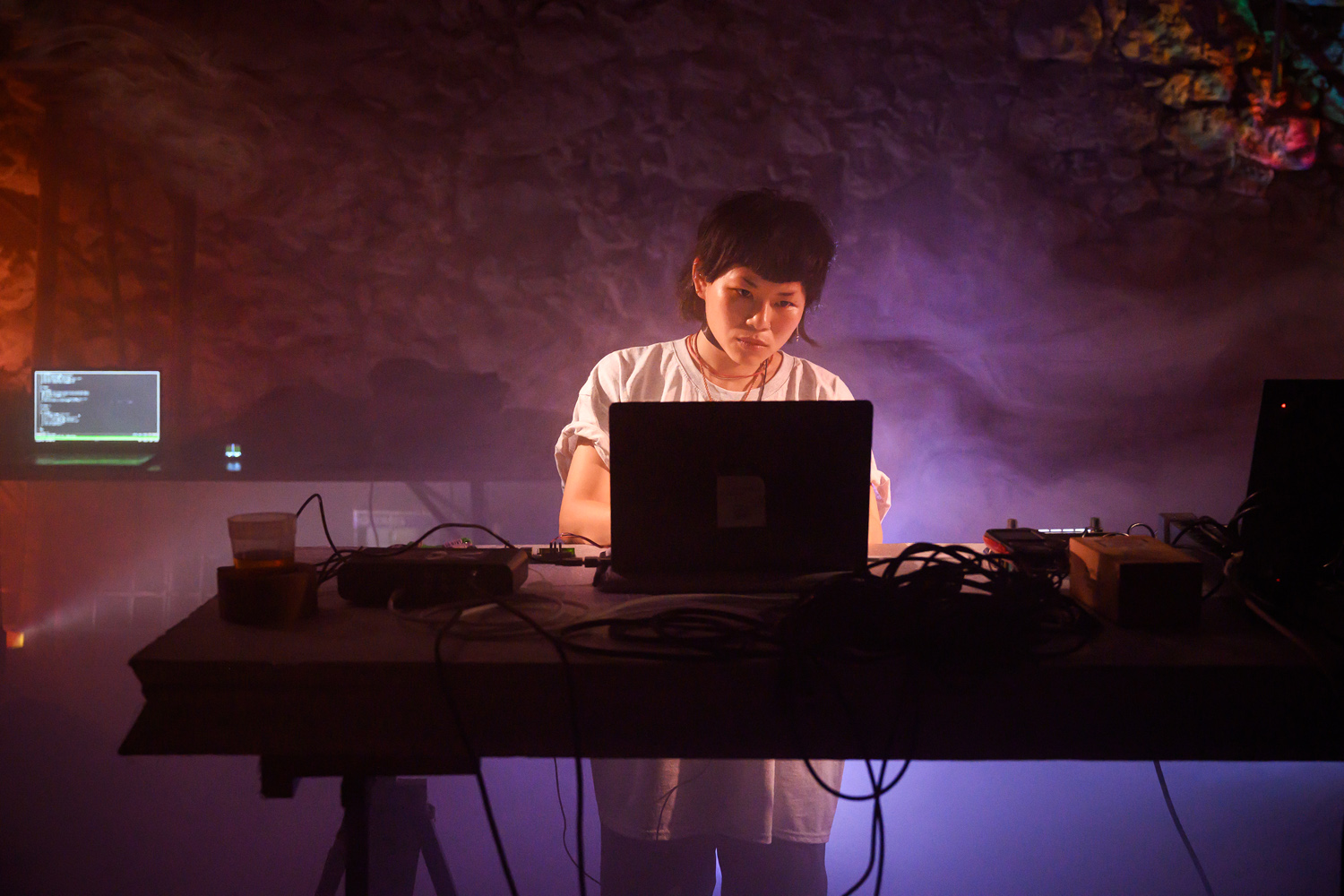
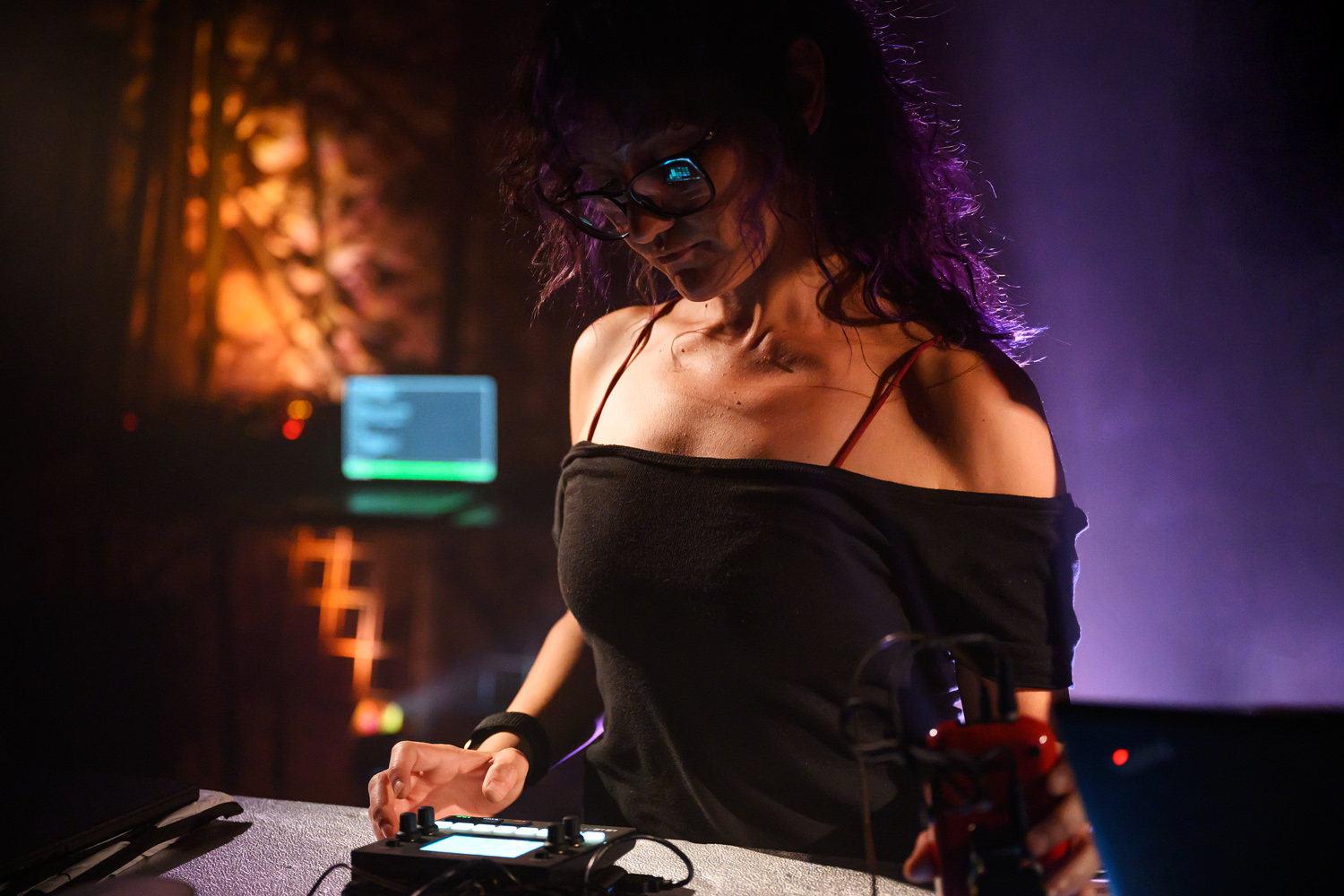
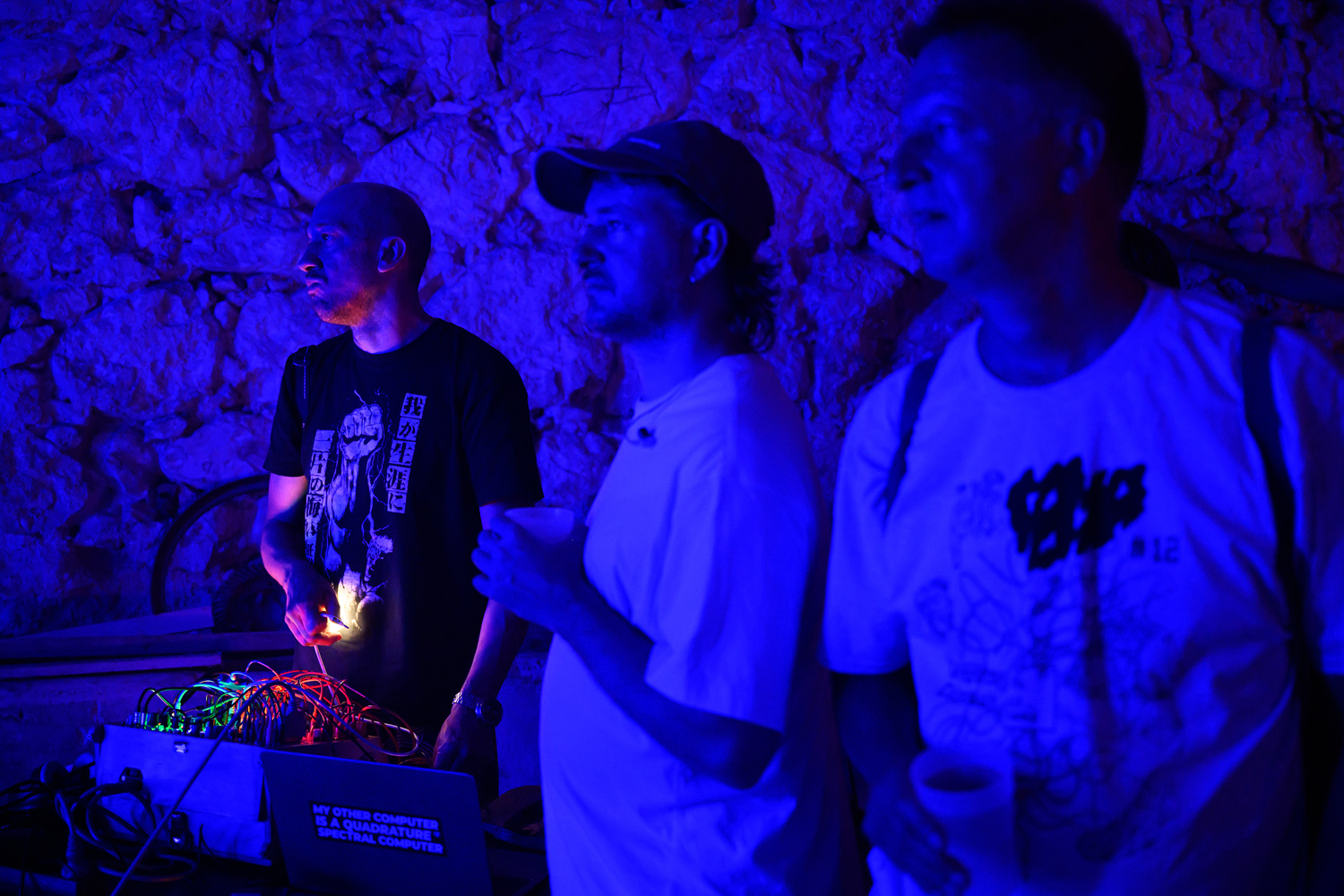
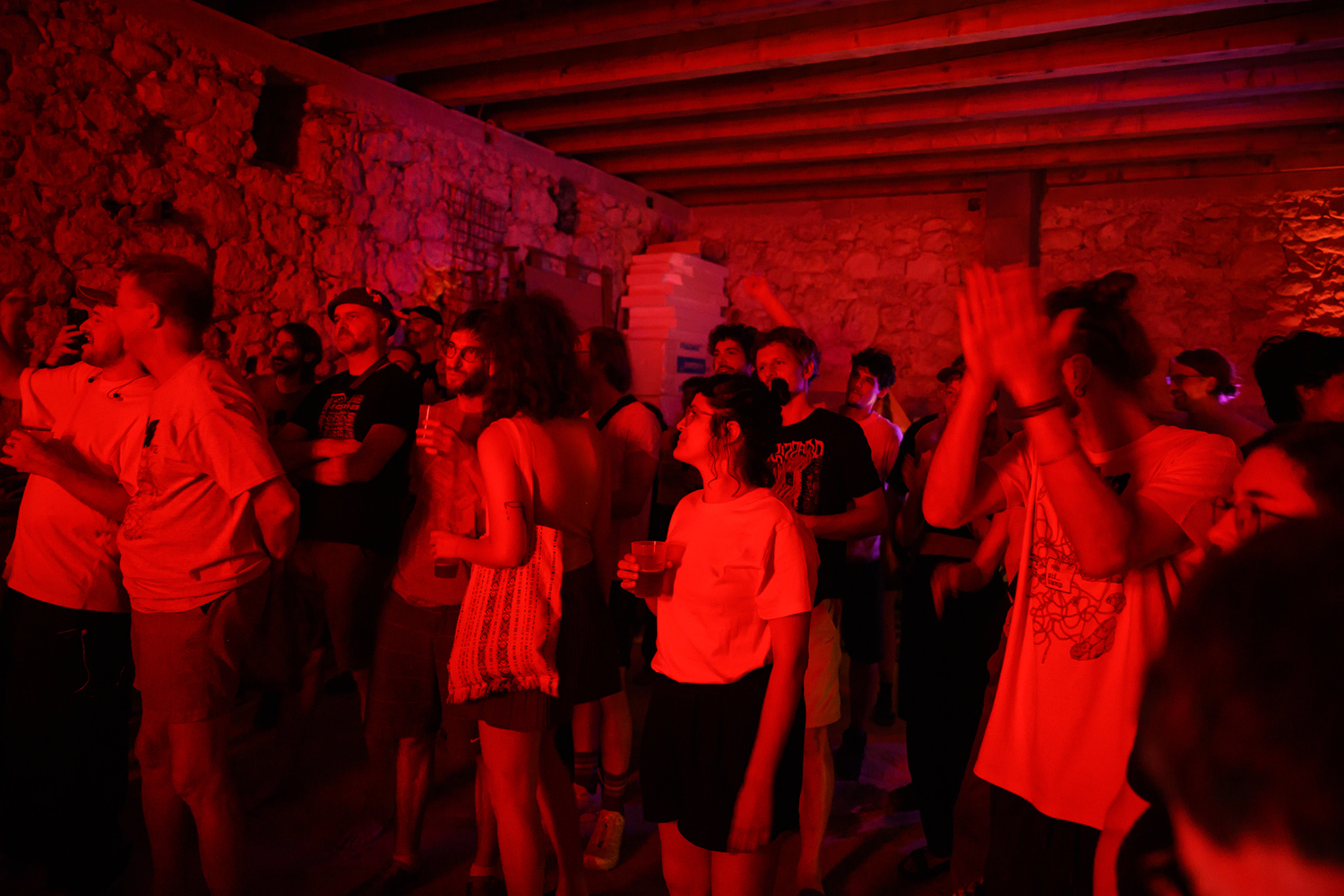
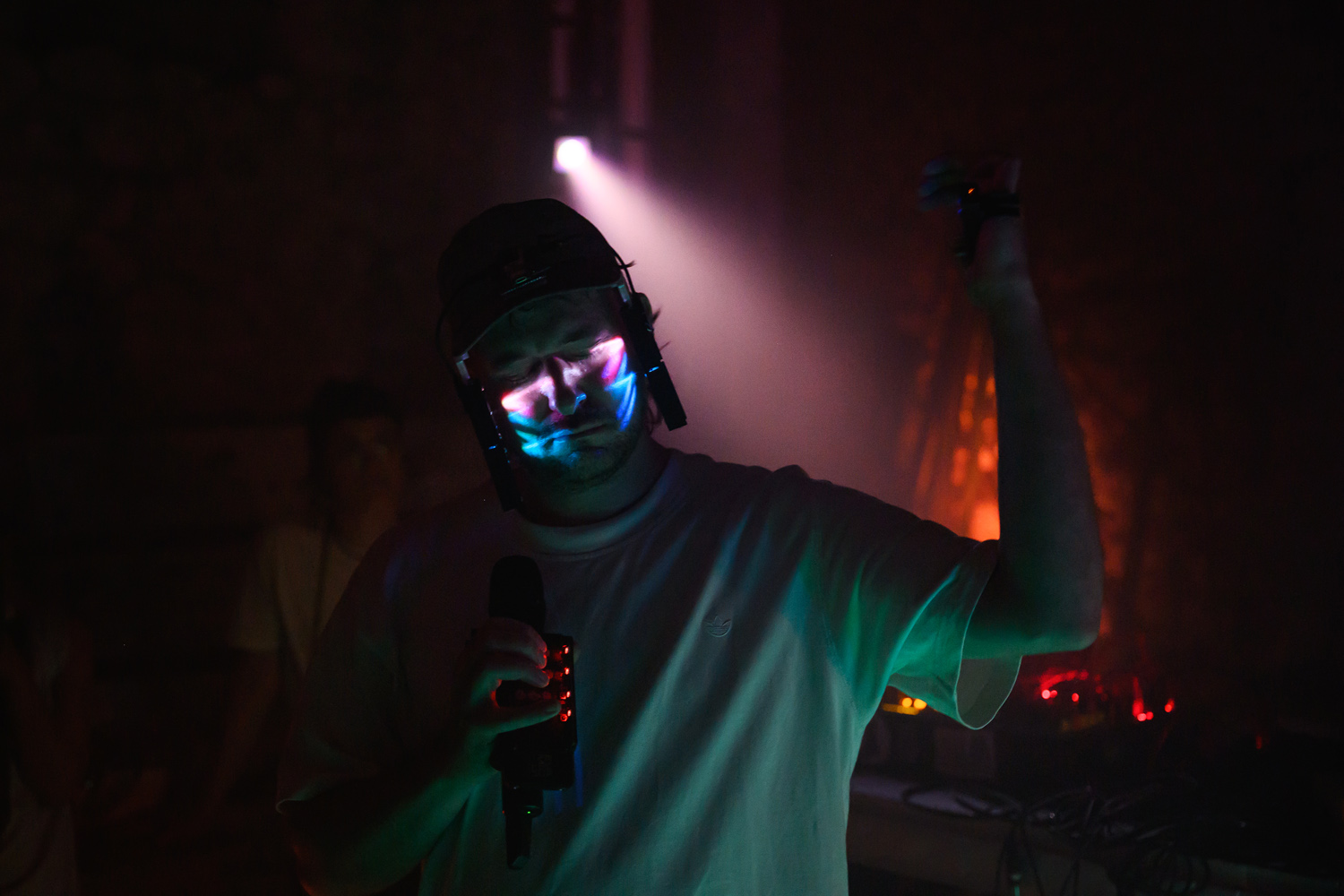
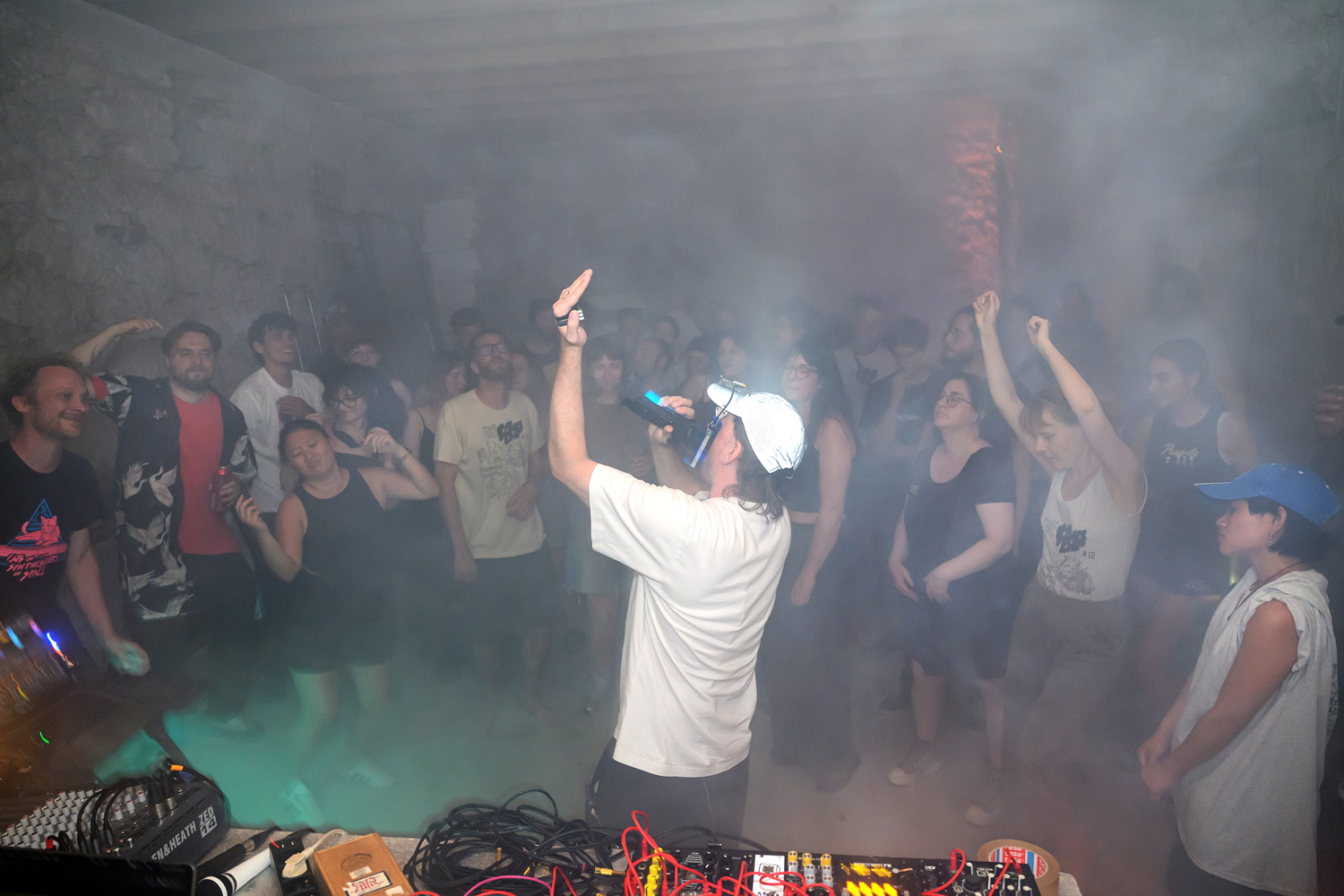
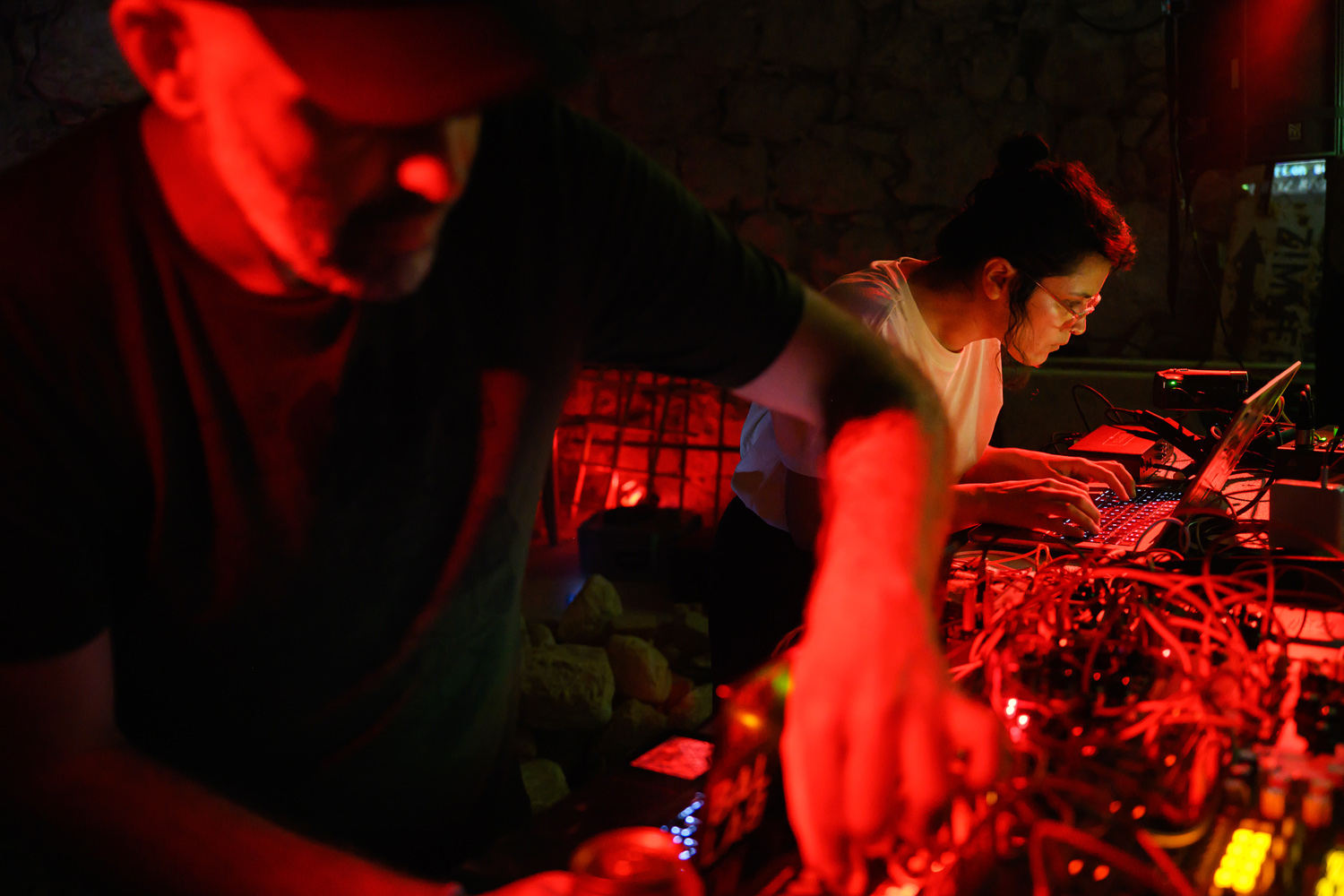
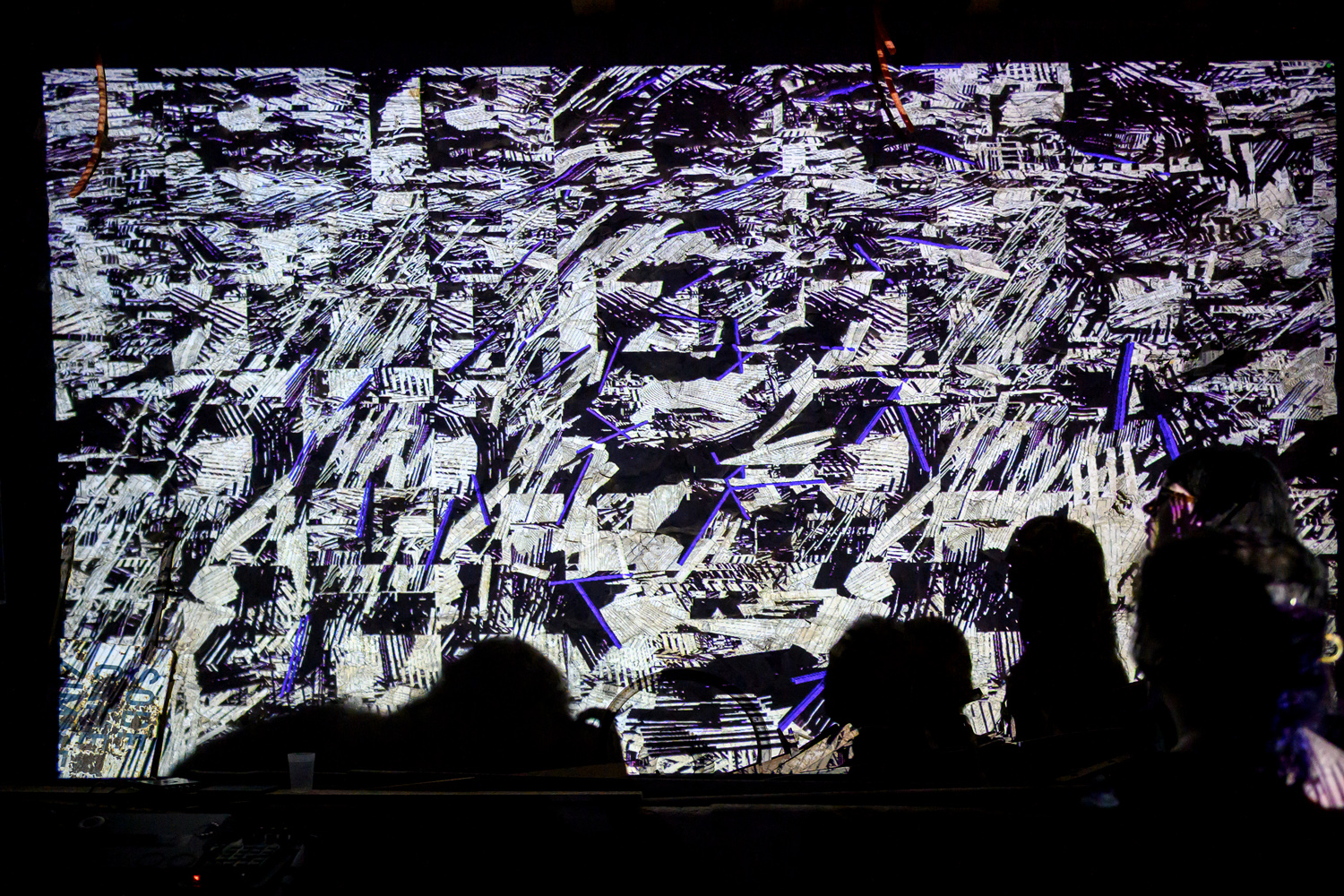
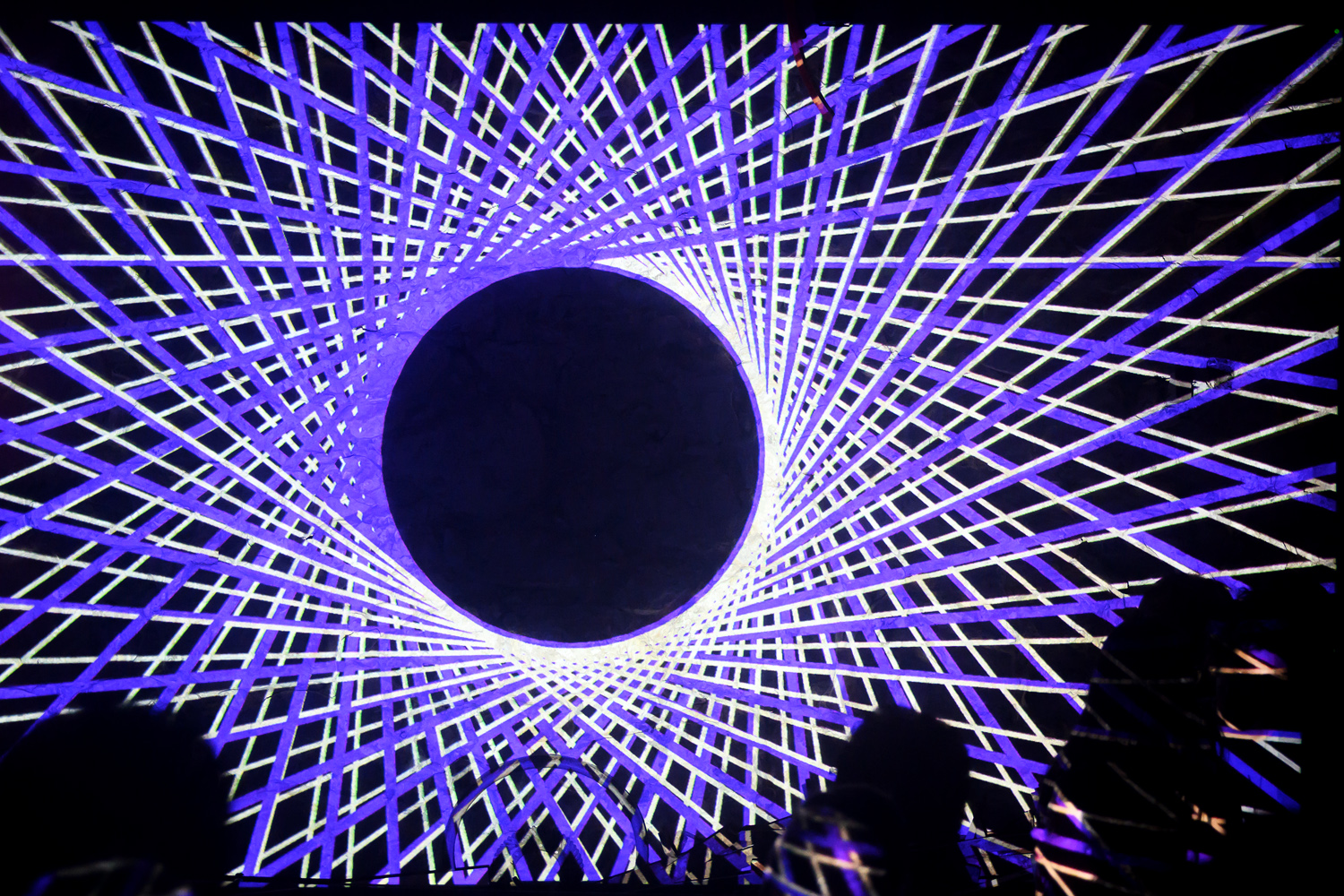
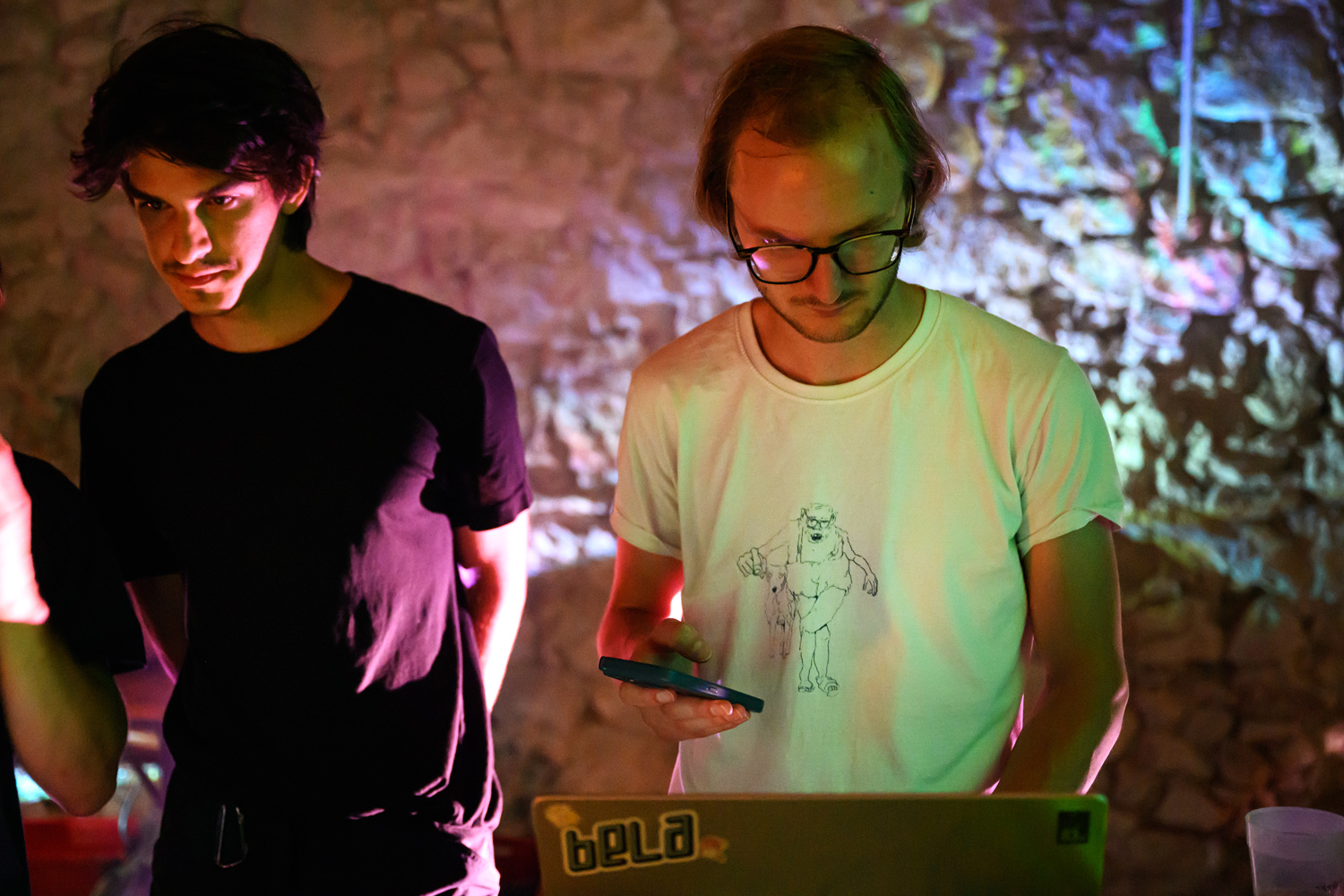
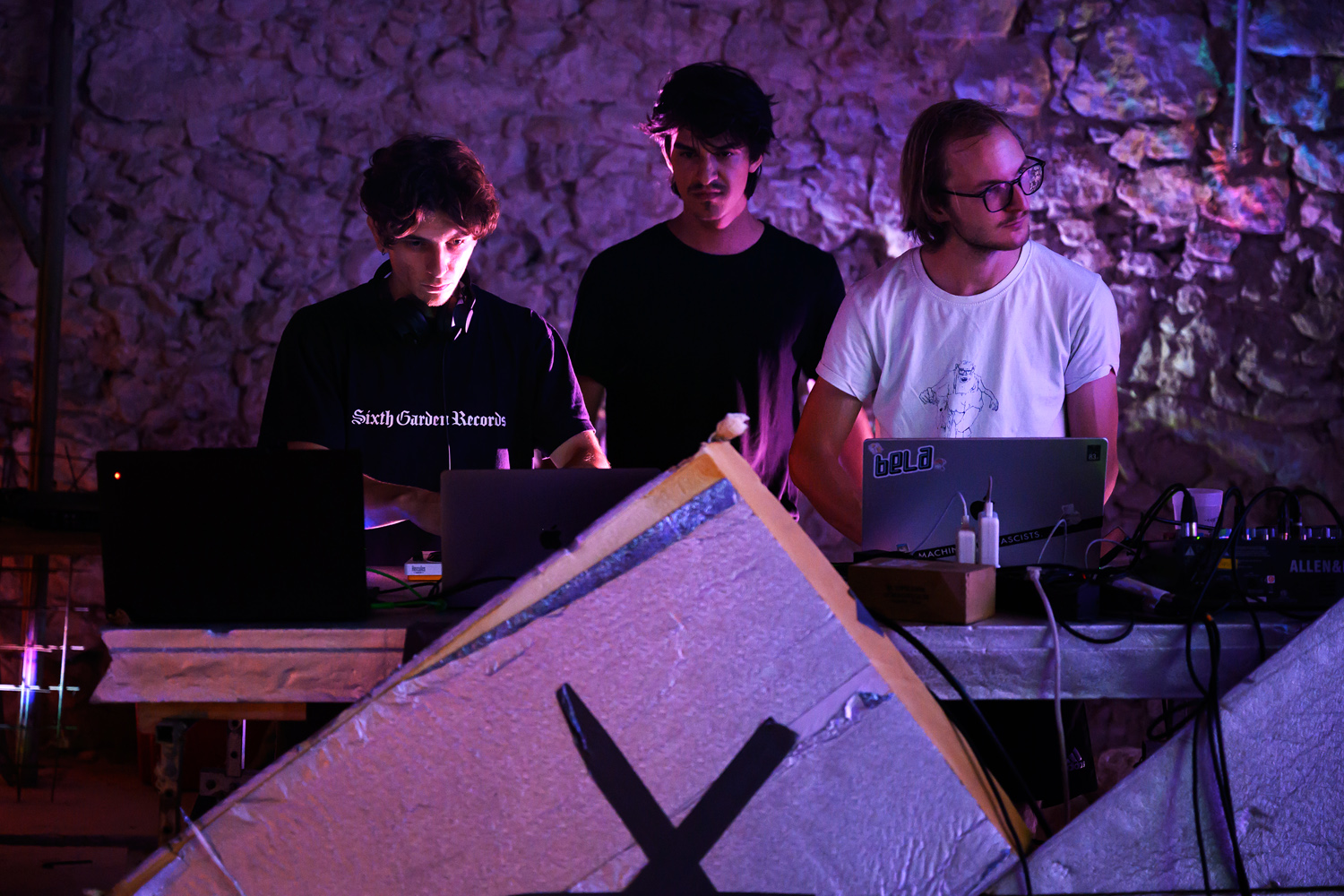
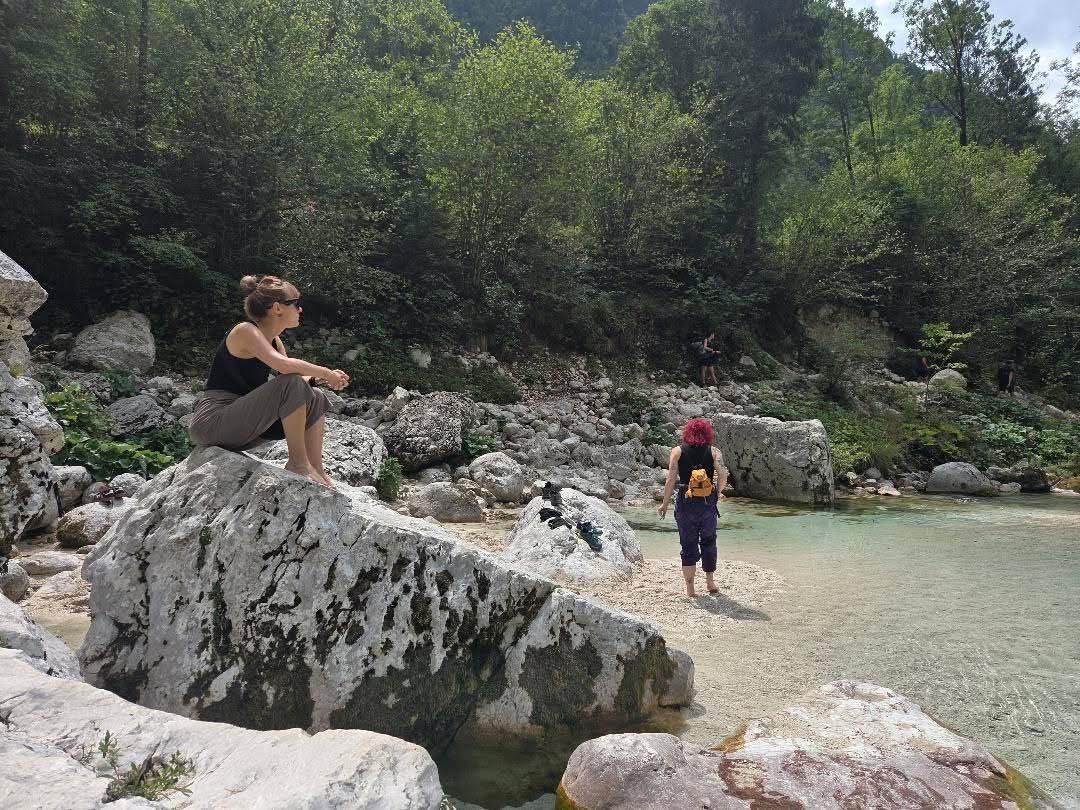
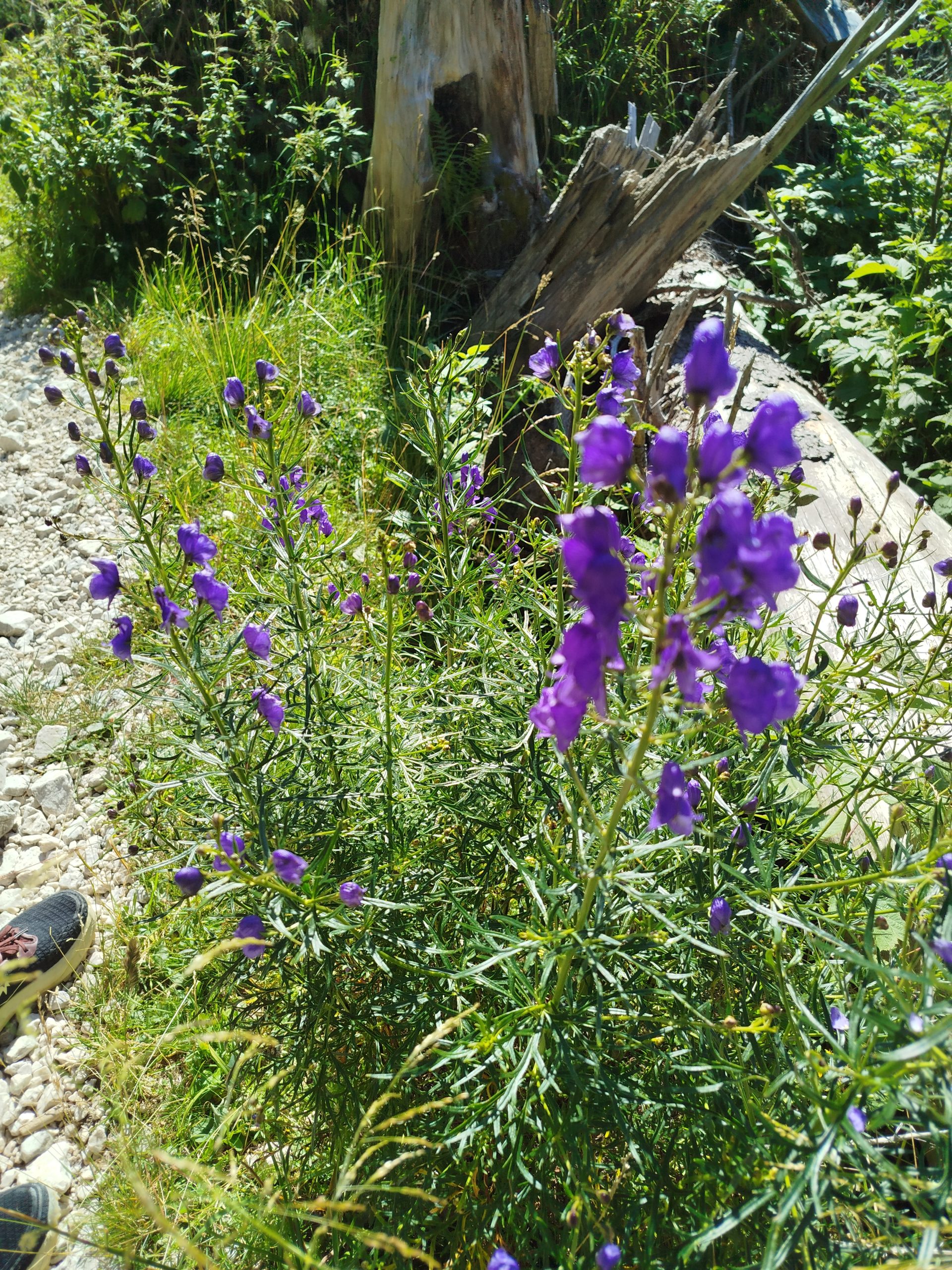
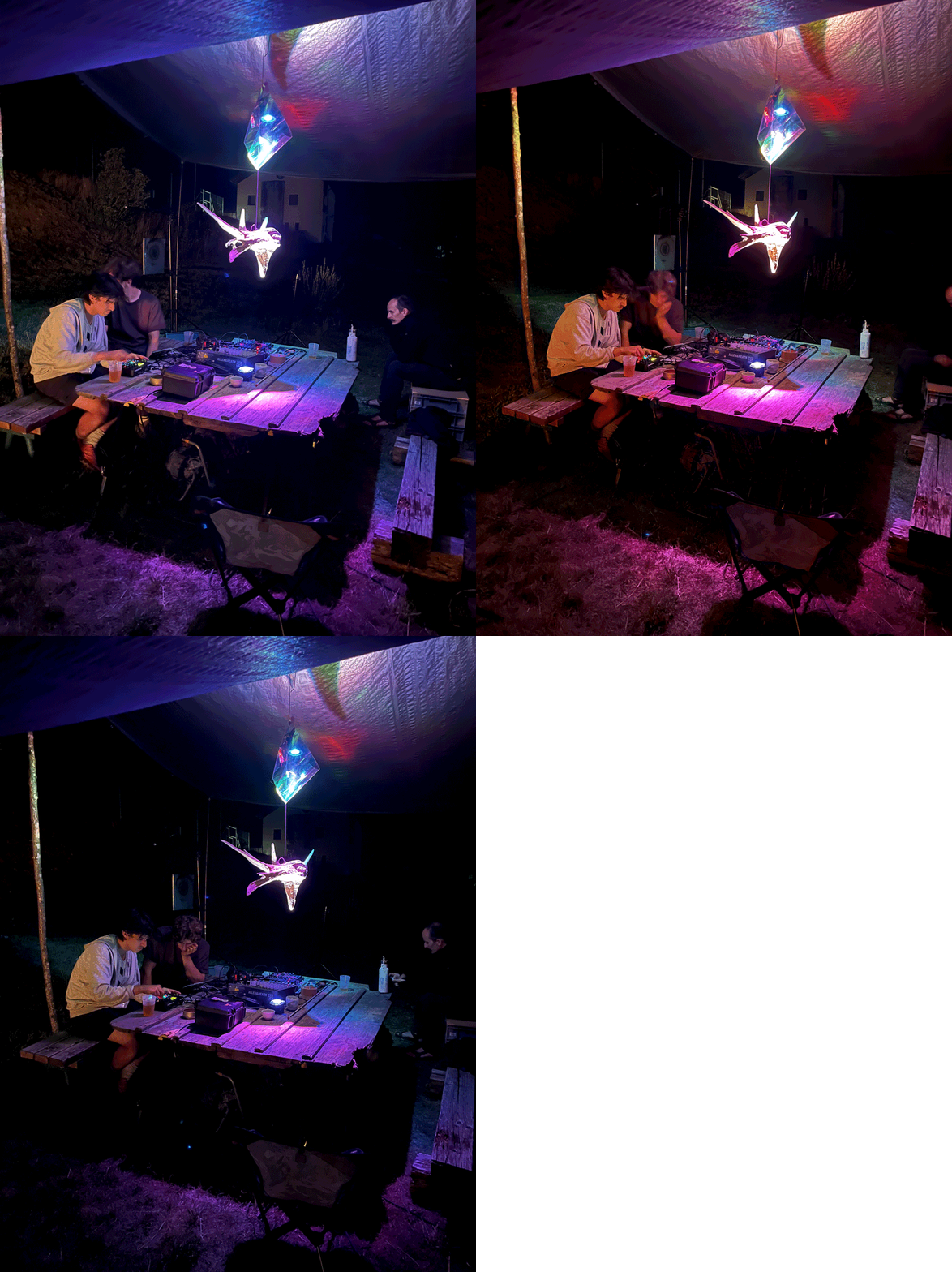
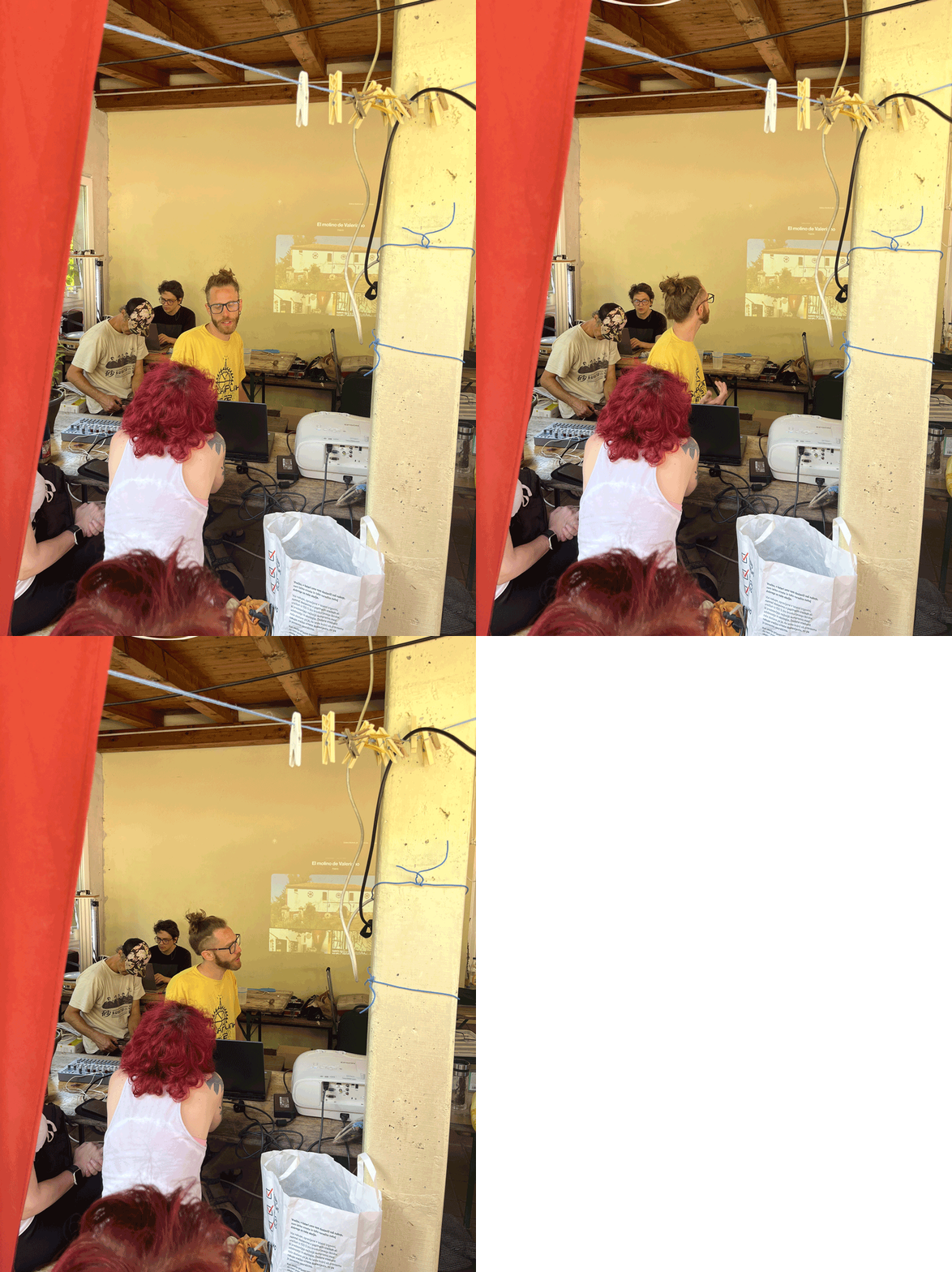
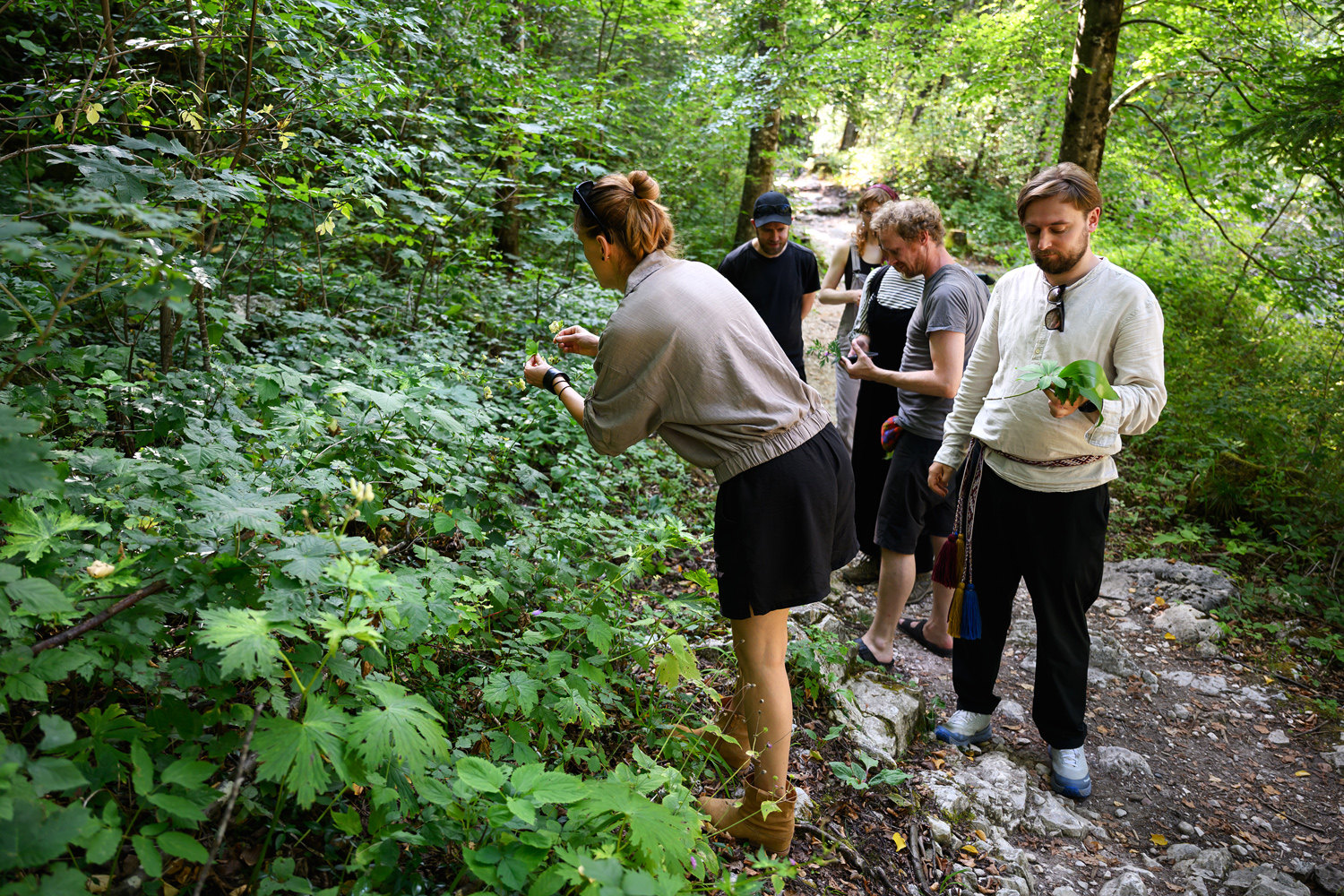
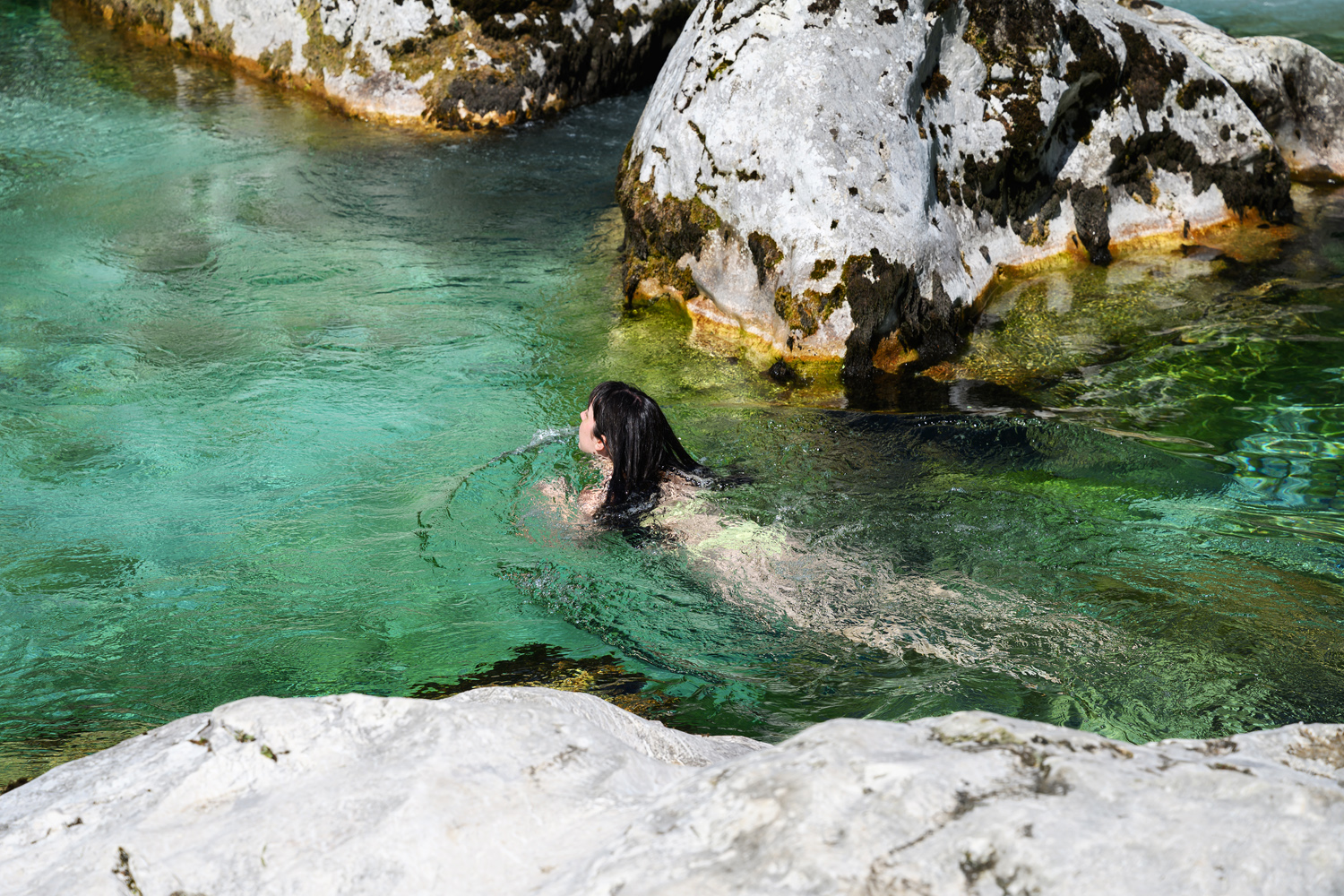
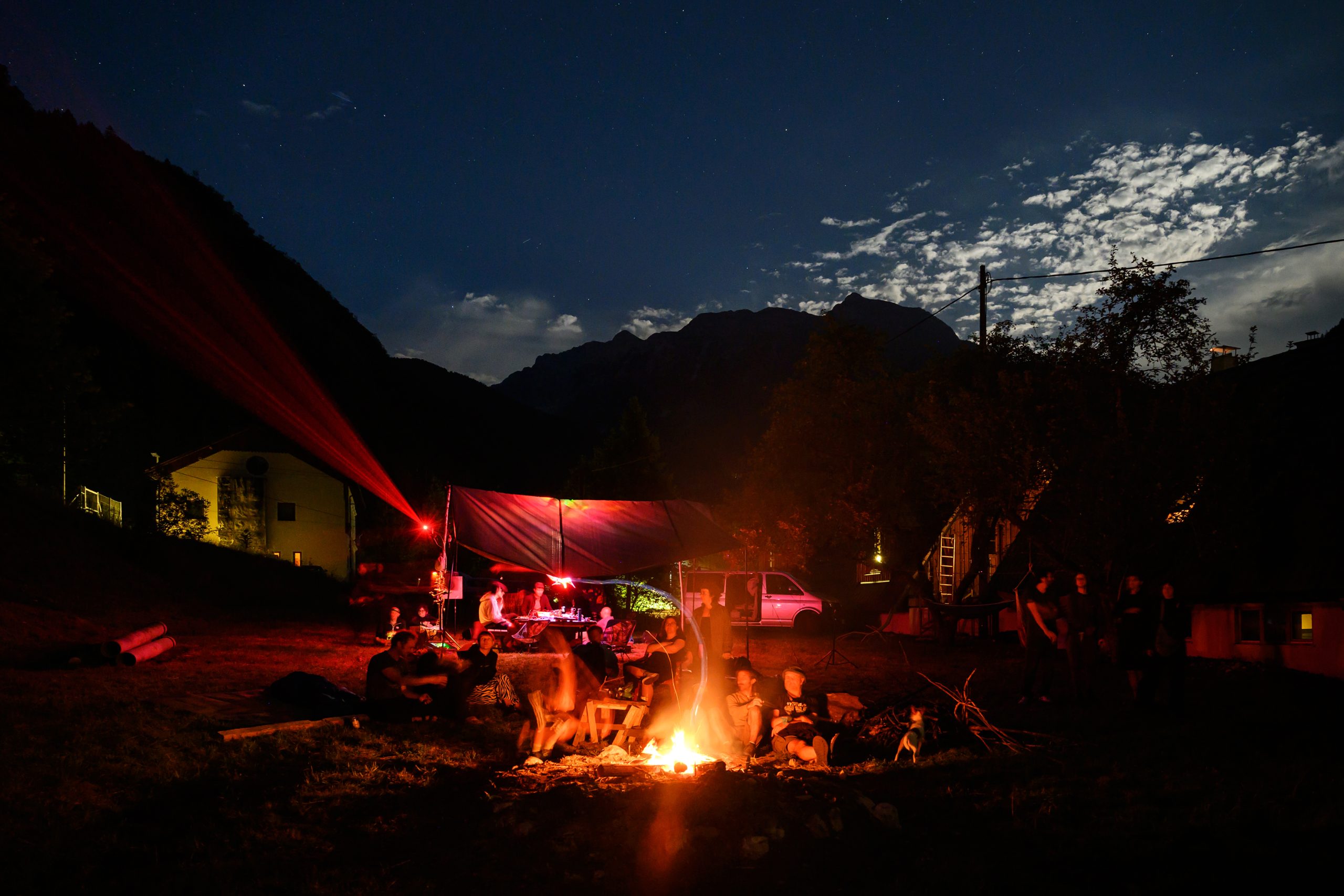
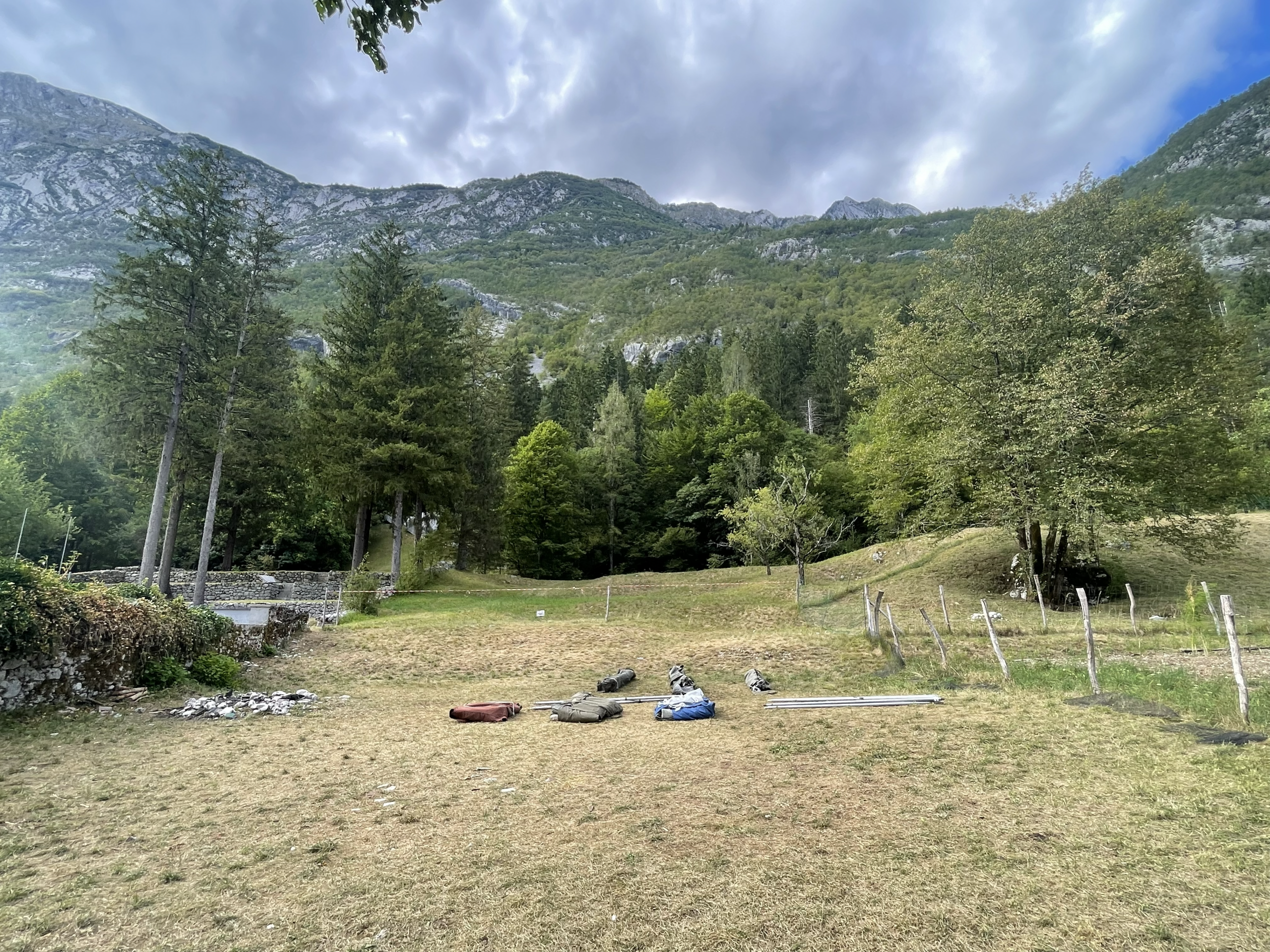
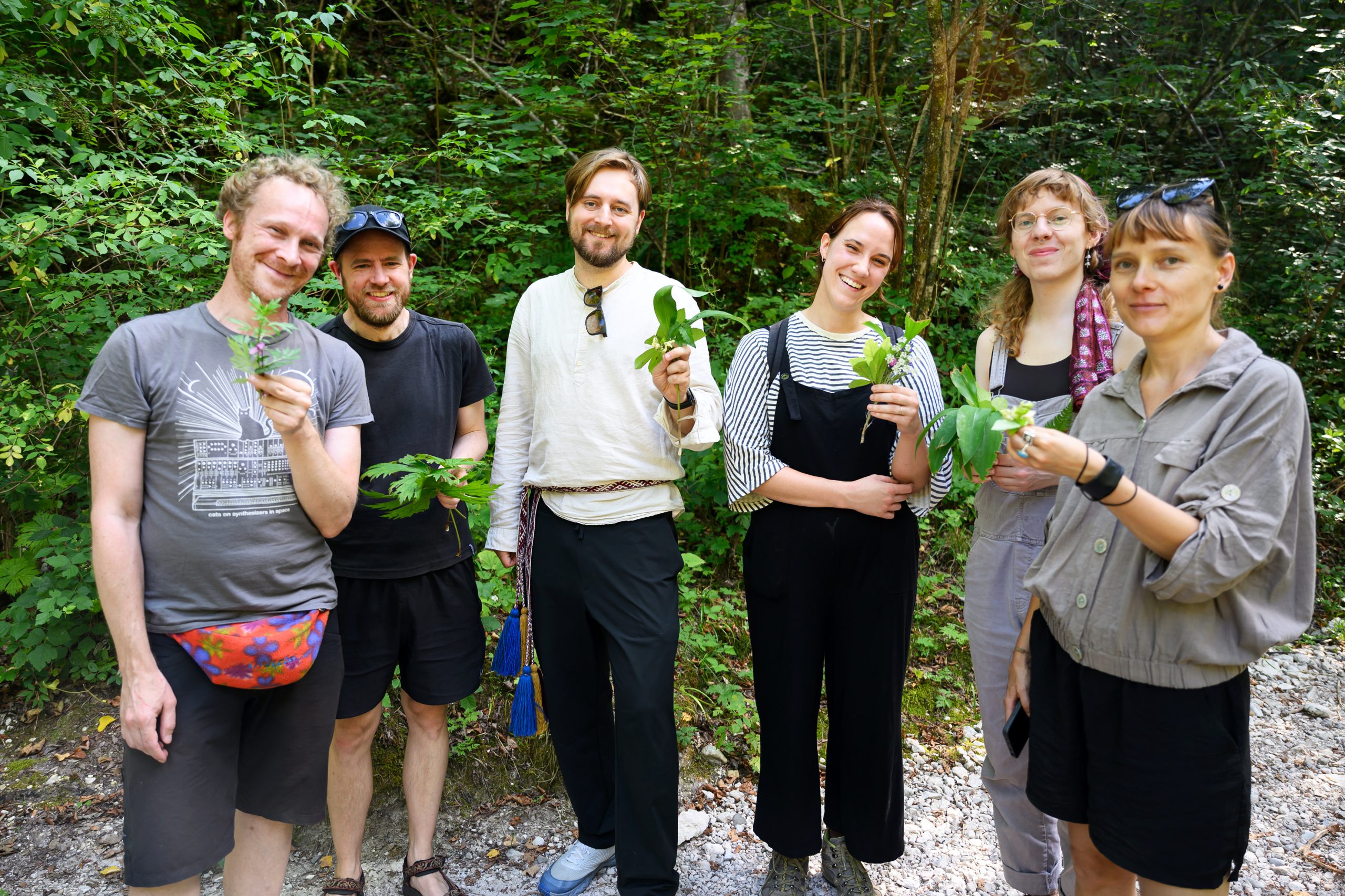
Friday rolls around and brings the mandatory hike. It’s both deeply dreaded and loved. Some drag their feet, desperate to get every second they can to work on their projects. Most are happy to hike down to the beautiful spot and jump from the white rocks into the icy cold teal river for a moment of relief from the heat. Especially difficult for everyone who stayed up late at Patch From Scratch watching live coding and music performances.

For some this hike will be the first time they’ve left camp at all this week. Fšk even got a round of applause for joining even though he insisted he would not leave his corner. 

We can all feel the pressure of Open Saturday, but we also want to enjoy so many of the last moments. Today we have our last meals together like this, sitting on the narrow benches or across the field. 

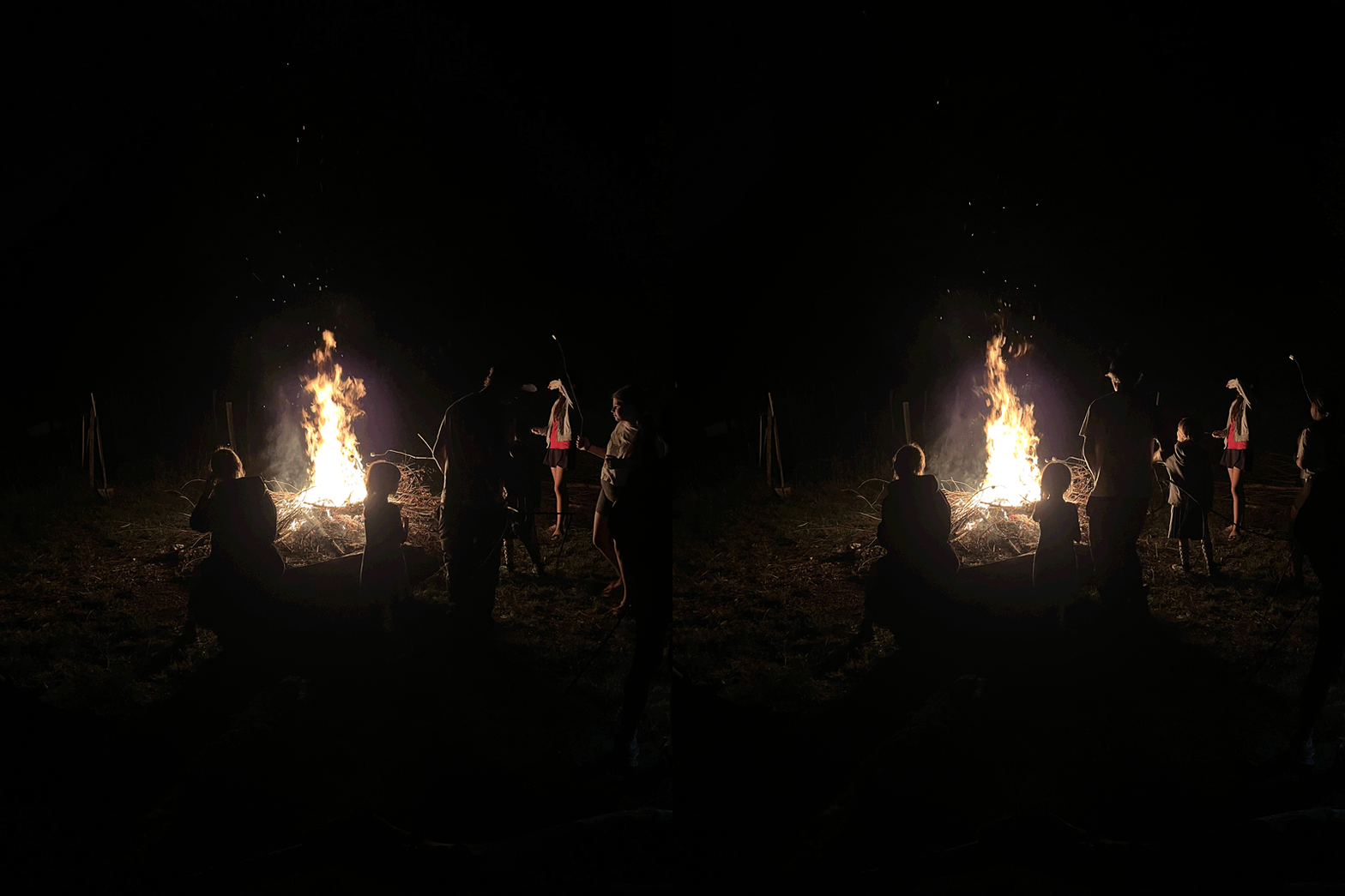
The kitchen crew has kept us well fed with all kinds of delicious foods from pasta to goulash, plus an extra fun night of hot dogs that everyone especially loved. I’m certain we will all miss the food. Or at least not having to think about food, having it come out hot and fresh with little effort on our part.

There’s an overwhelming sense of optimism. Despite few projects being complete, no one is necessarily concerned. Things will come together, in one way or another. Something will exist, whether it is what people planned or something new. 

Or if people got side tracked, hopping on other people’s projects to change or improve them. 

Collaboration is a huge part of PIF, people are extremely ready and willing to share what they know. Some of these collaborations will stretch far beyond PIFcamp, and people will find each other in locations all around the world to make amazing things together. Some are as ephemeral as each edition of PIF, they will happen here and only here. In this specific setting, where anything can happen. 

Yesterday Coralie ran a workshop on PIFtime, participants debated on how the day passed. There was discussion around what hours felt the longest and the shortest, which parts of the day moved by too fast and which dragged on. 

Right now time is moving so quickly with just one day until Open Saturday and yet every minute feels long as we continue to find ways to connect and make together. A whole week has rushed by, measured in currents and LEDs, but at the same time this strange little space seems to have endless days. 

Overall it seems clear that no one regrets the time they spend here. The people, the valley, the river, and the camp accept each other openly. We find ways to work through language barriers, personalities and cultural quirks with little hesitation. 

When the wind hit hard and fast people rushed to secure tents and collect each other’s bathing suits. Everyone was ready to help out and keep each other safe. 

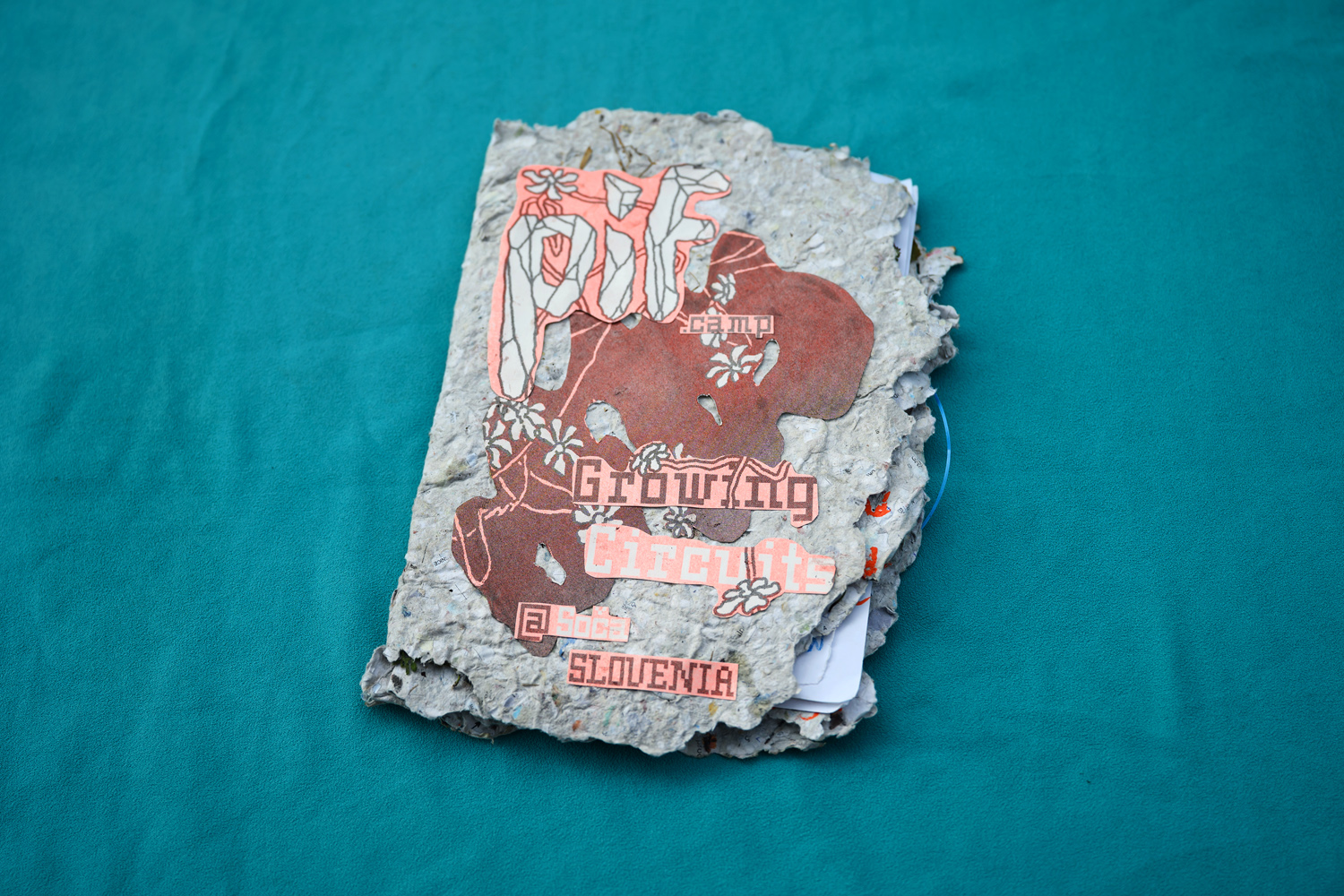
It’s going to be strange to leave and lose this pocket of community but the PIFcamp #12 participants are following the theme well. While we work on our projects we also are growing circuits of connection amongst one another, strengthening relationships that have existed for all 11 years of PIF while forming brand new ones. 

Text by Sid Drmay.

Second Impressions by Sid

Exploring PIFcamp and the surrounding area will lead you to unlimited discoveries. Whether it’s learning from your fellow participants or from the space itself, there’s so much here. 

A non exhaustive list of things you can find:

  • old 3D print filament
  • unaccompanied odd pieces of electronics
  • club mate bottles
  • the thickest moss you can imagine
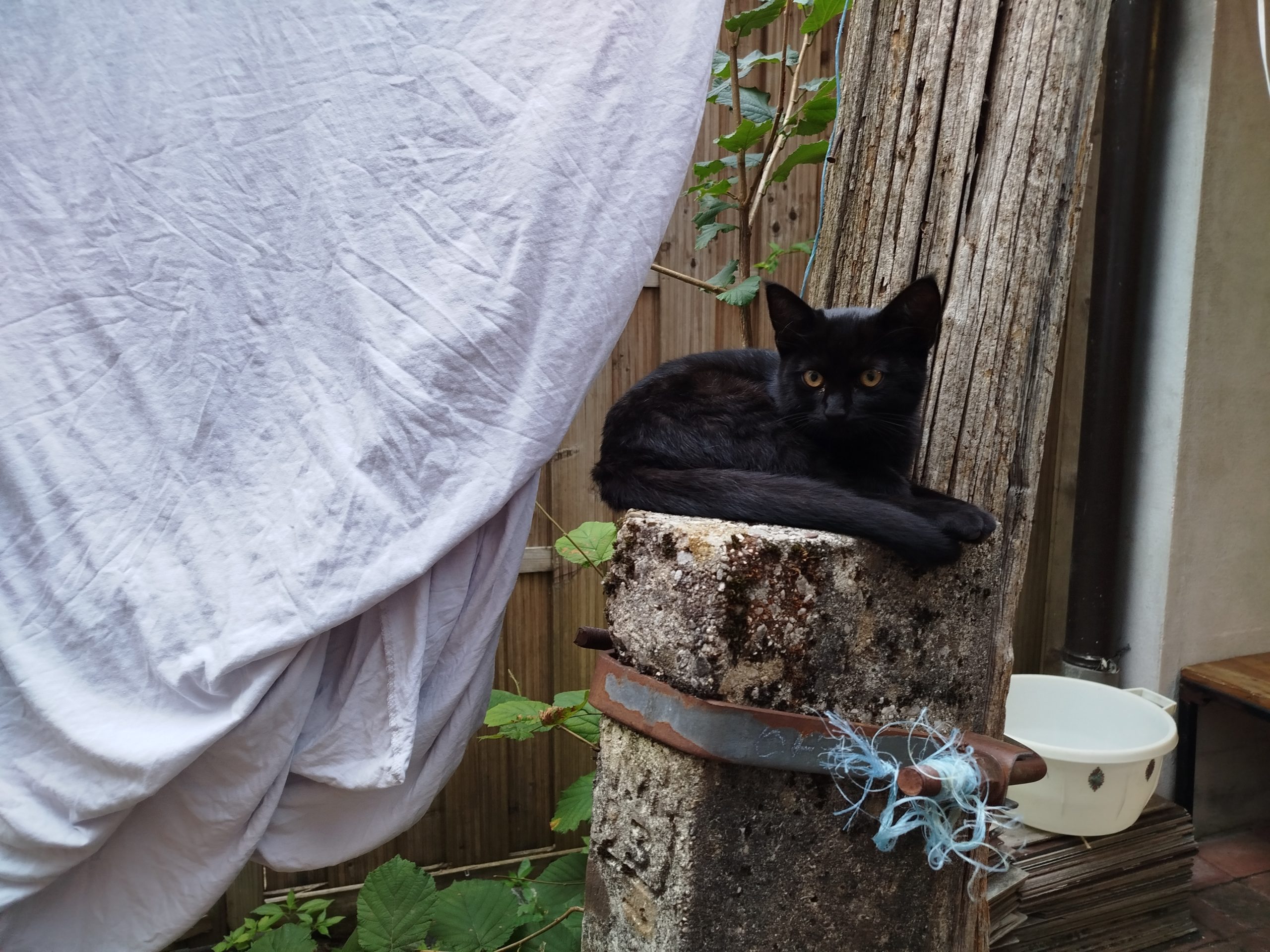
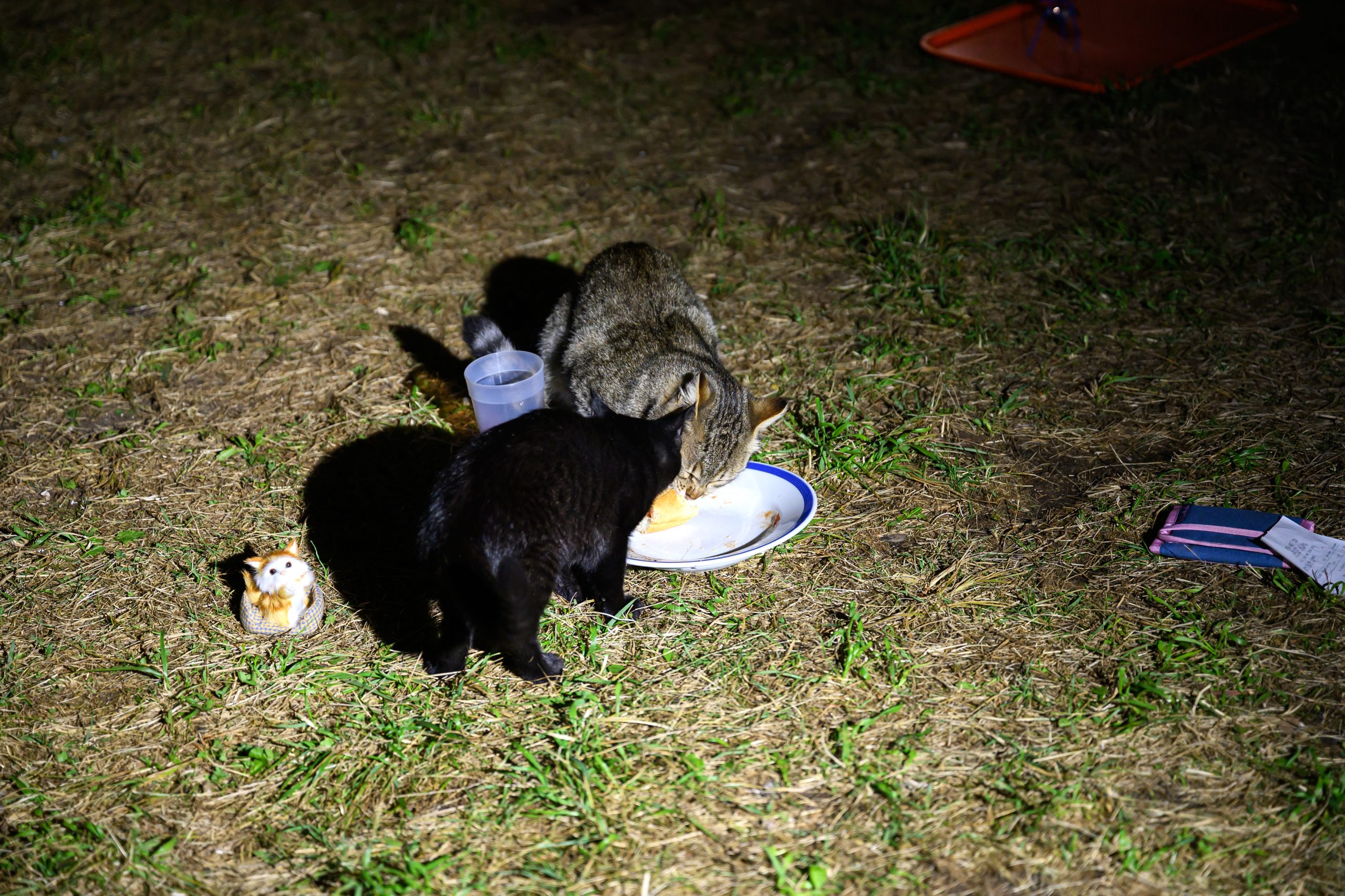
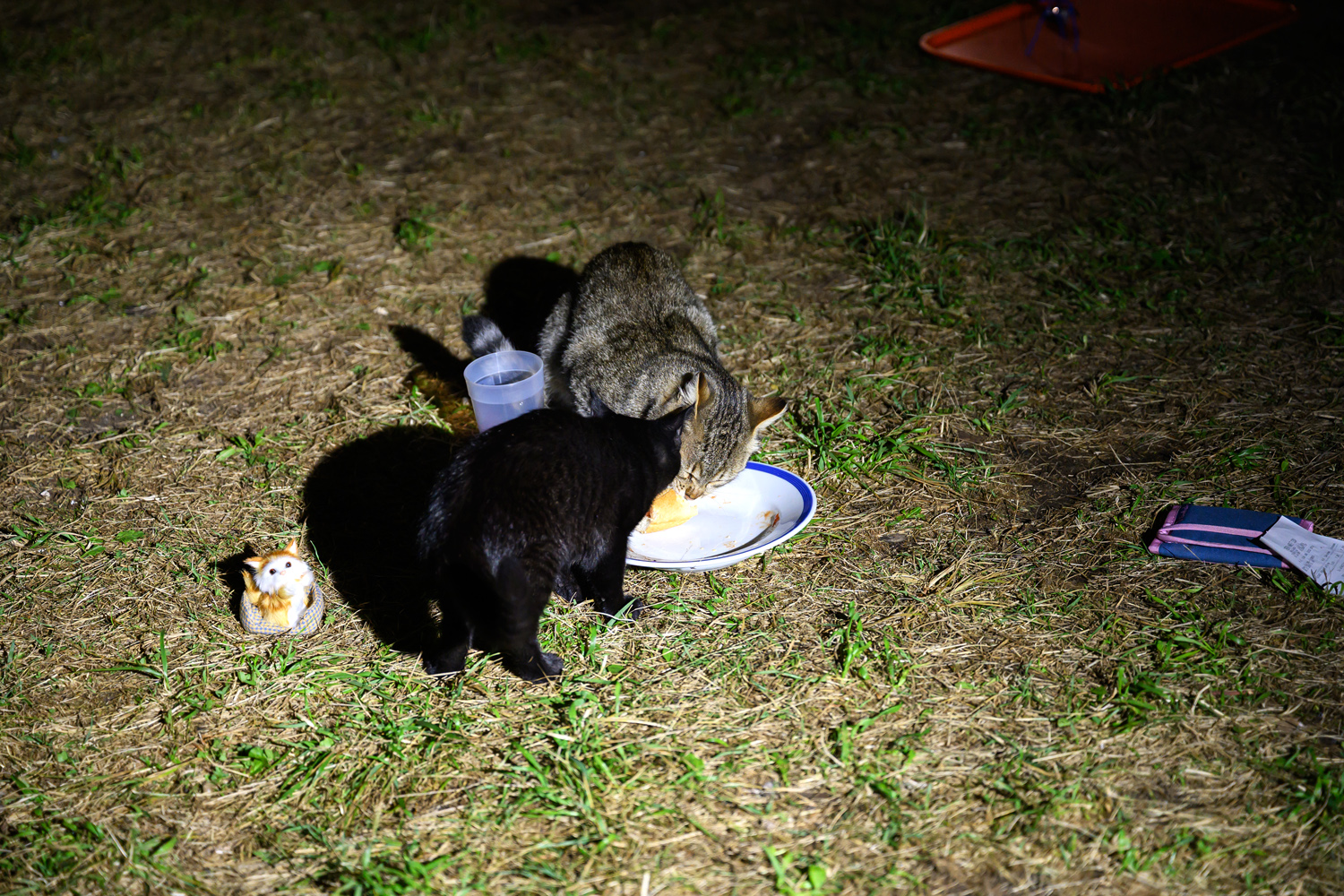
  • children playing with the kitten
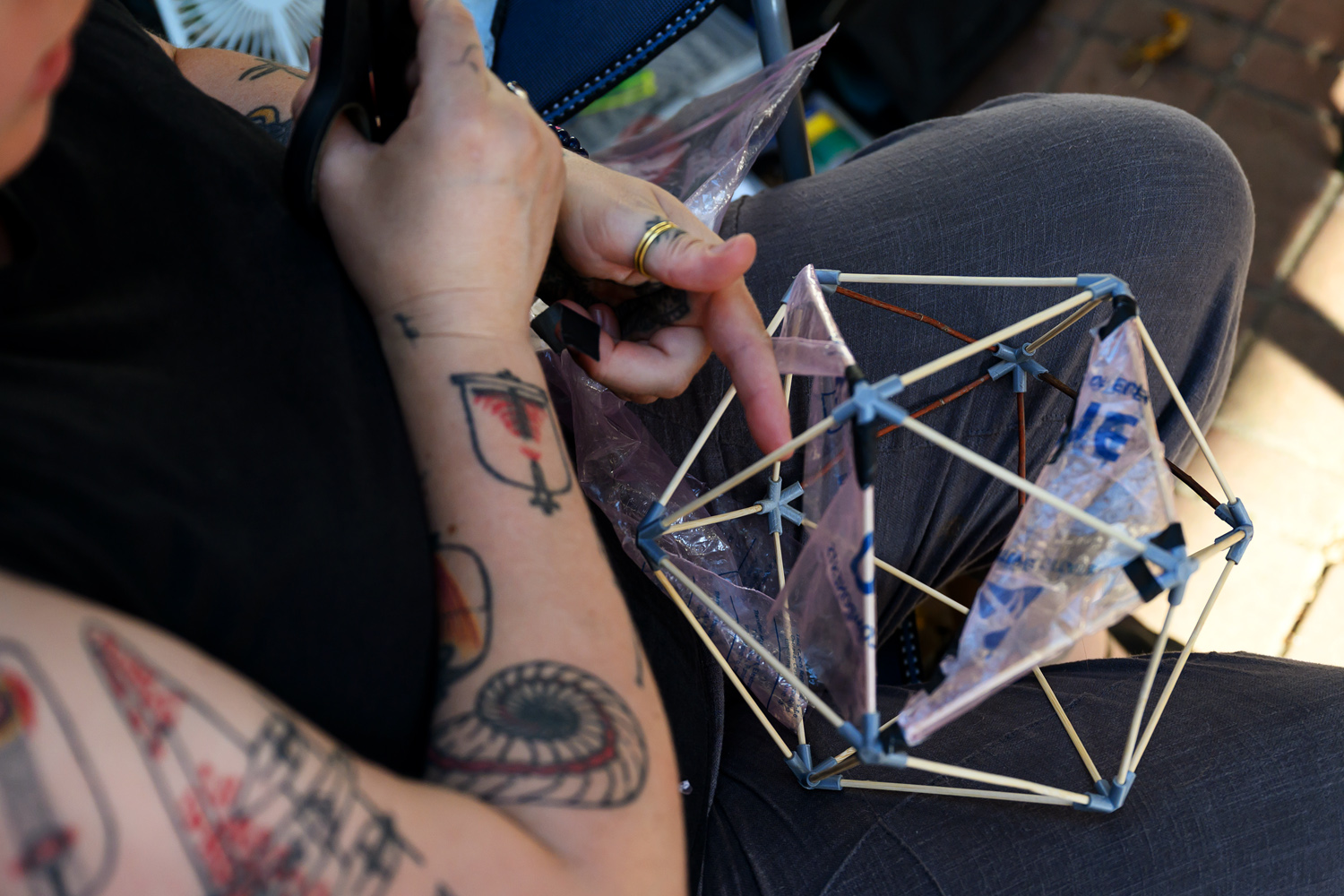
  • participants playing with their projects
  • The days are segmented by meals. Breakfast 8:30-9:30, lunch 14:00-15:00pm, dinner 19:00-20:00. In between these meals are endless opportunities. 
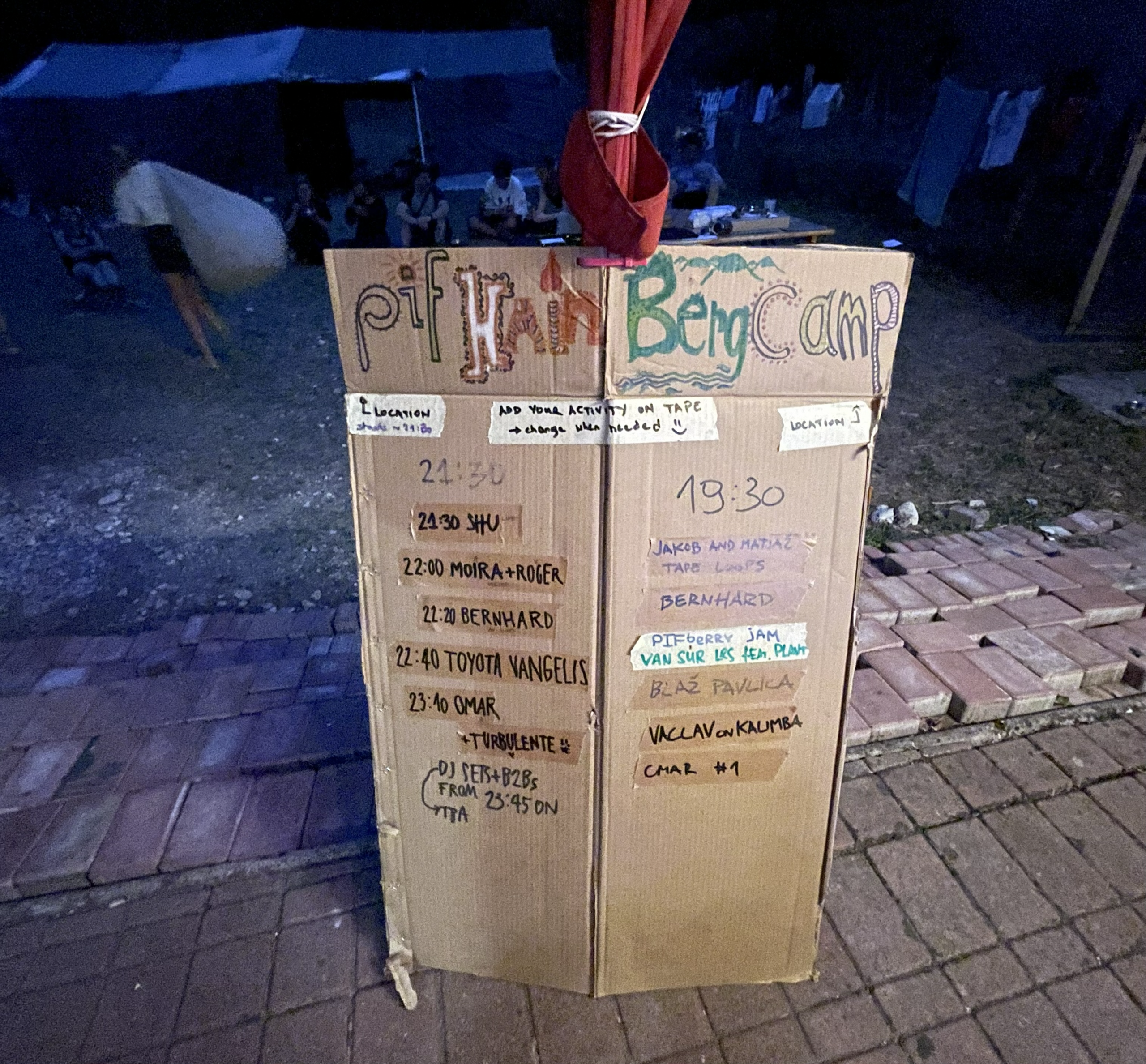
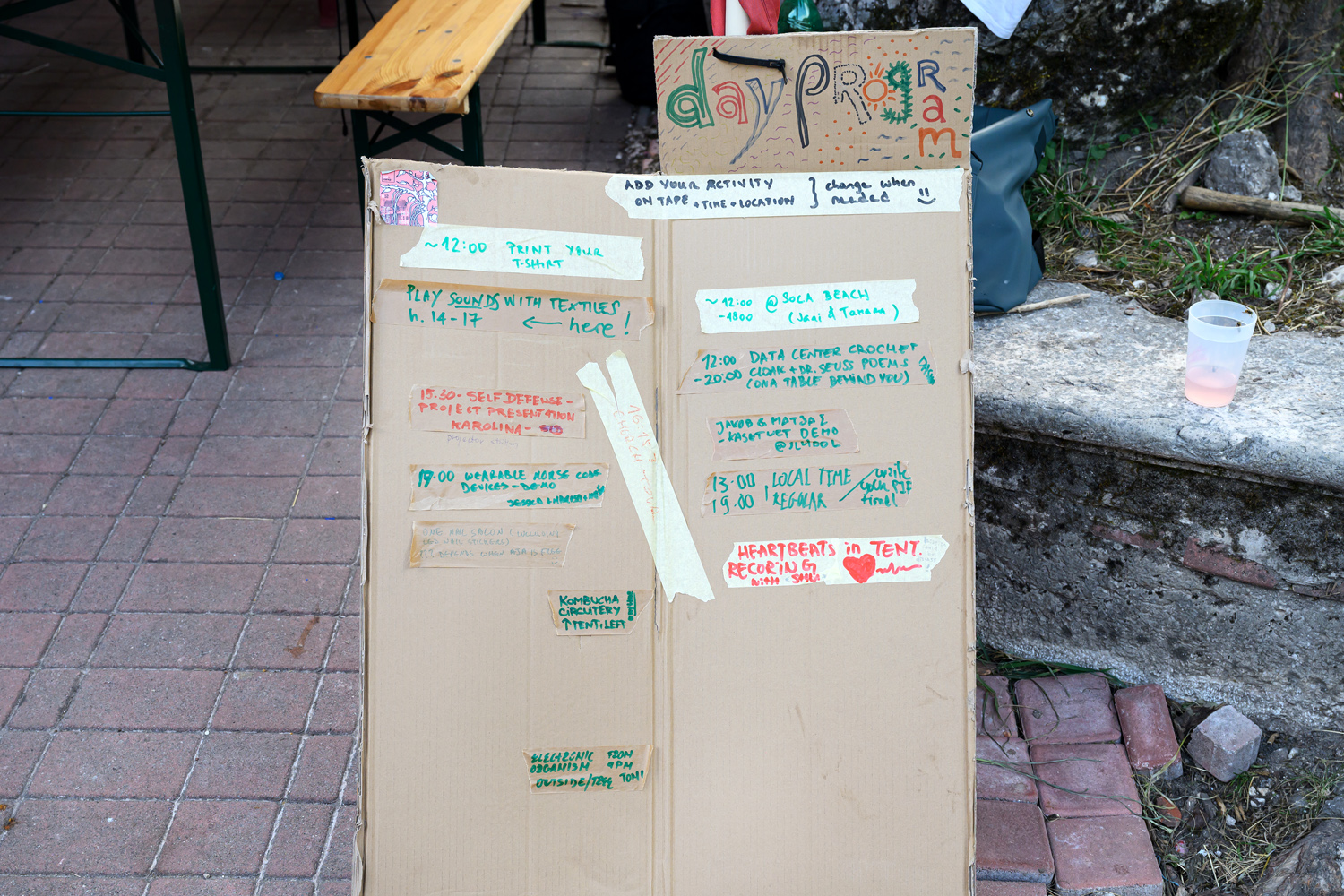
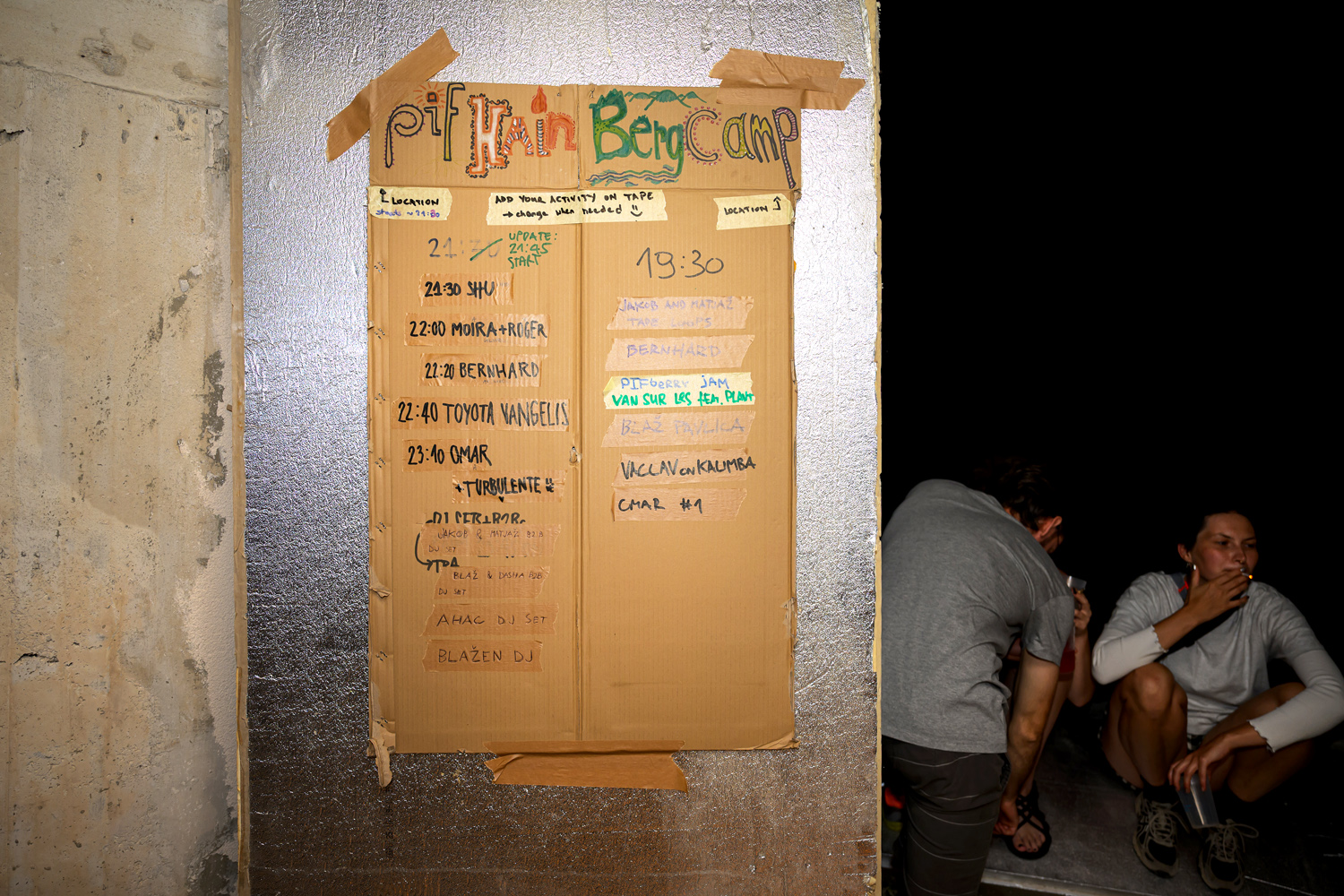
  • The schedule board fills up quickly with tape, each piece has handwritten information from a fellow participant with what they’re going to run.

We’re on Day 4 and we’ve had:

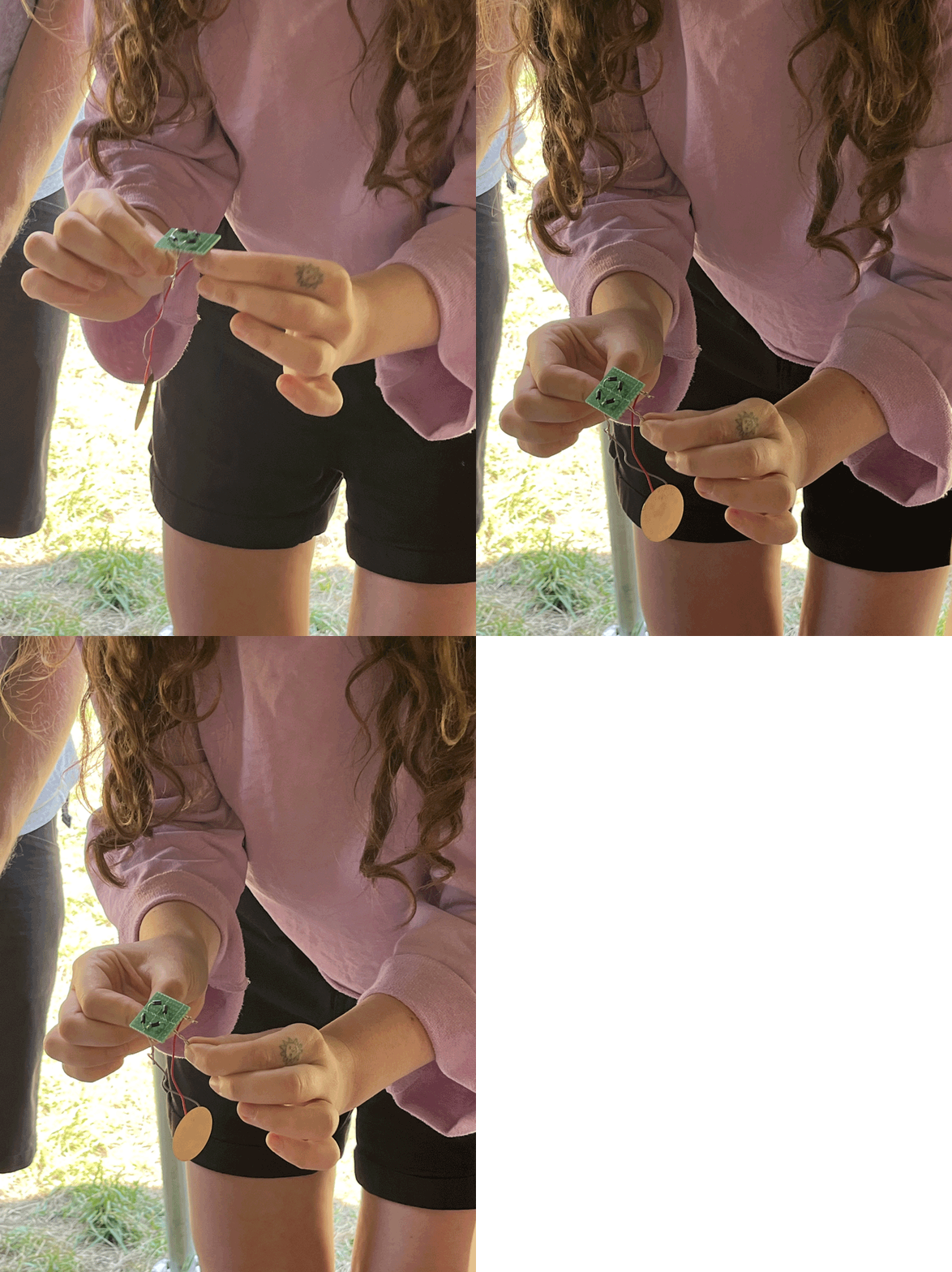
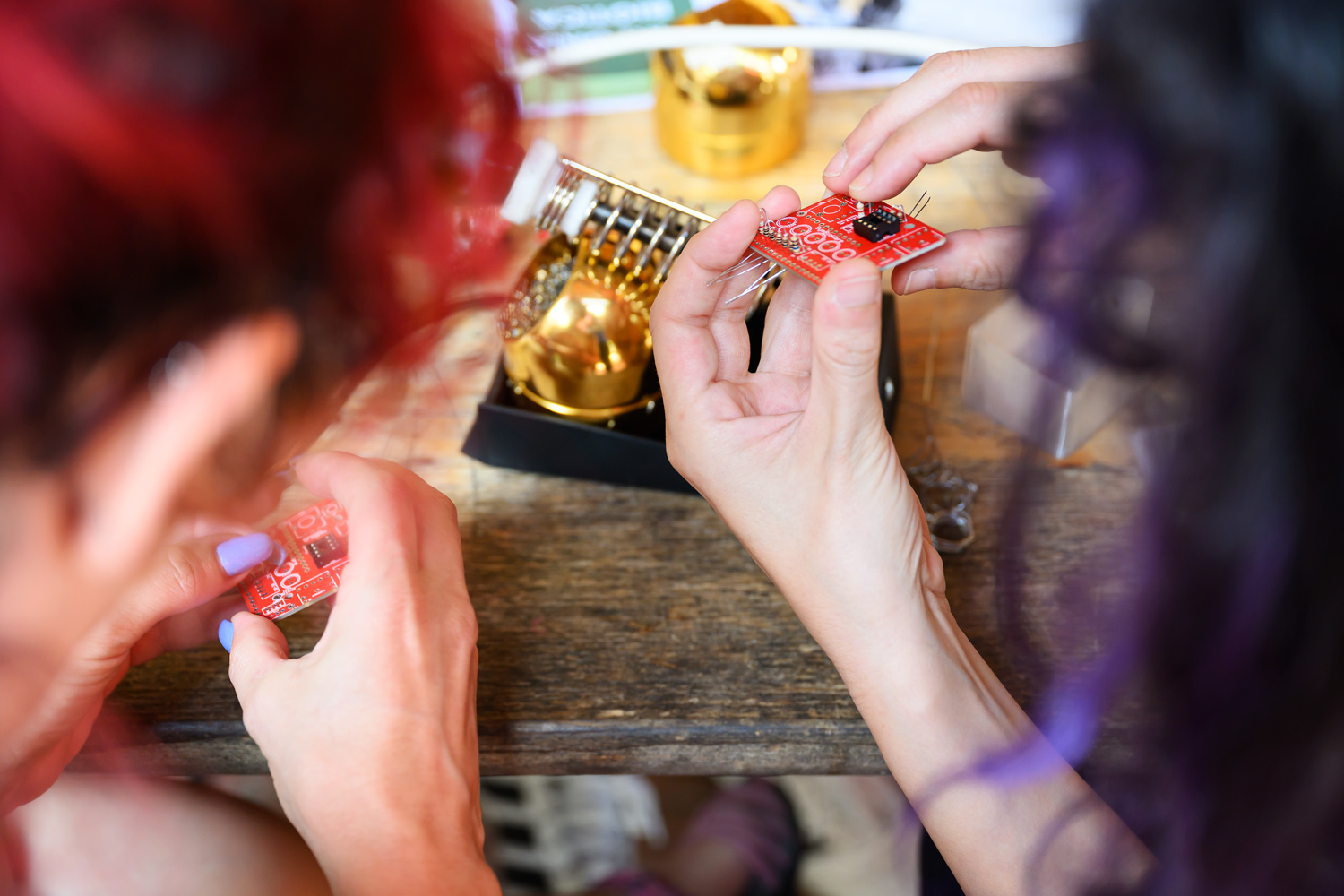
  • soldering workshop
  • a gentle intro to time travel
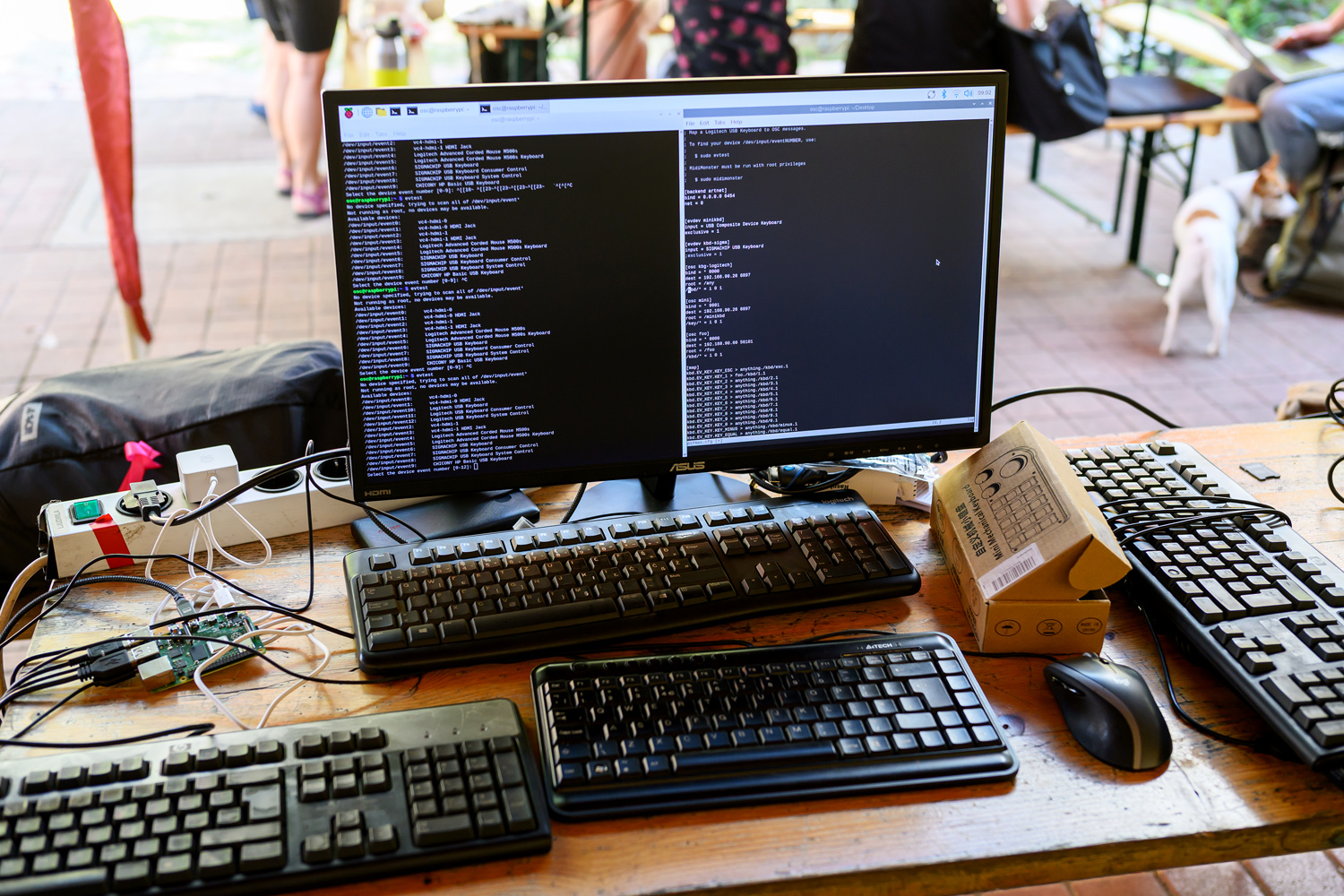
  • keyboard monster controller
  • a talk on magic, AI, and surveillance
  • a lemon squeezing workshop
  • biodata device workshop
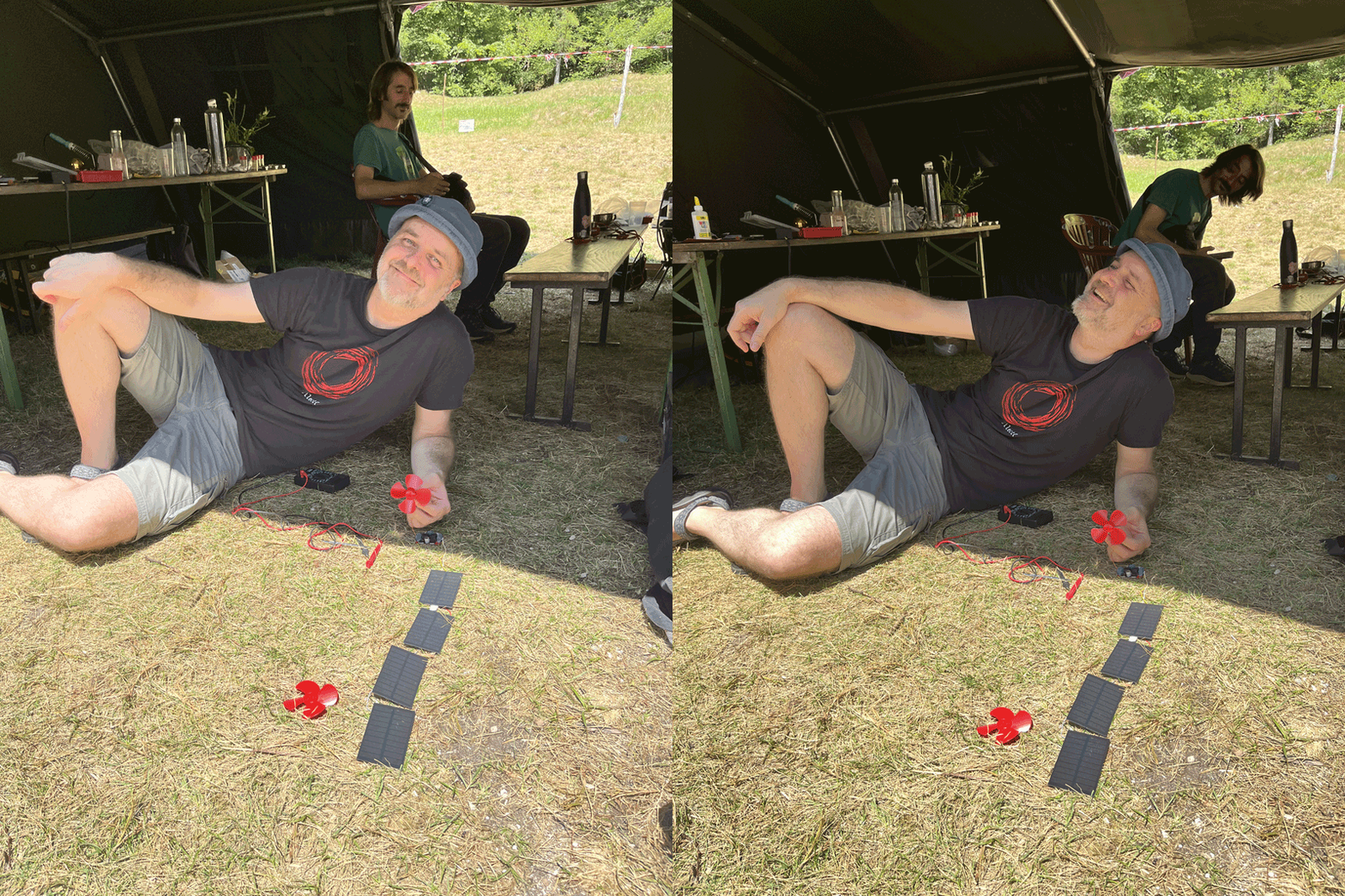
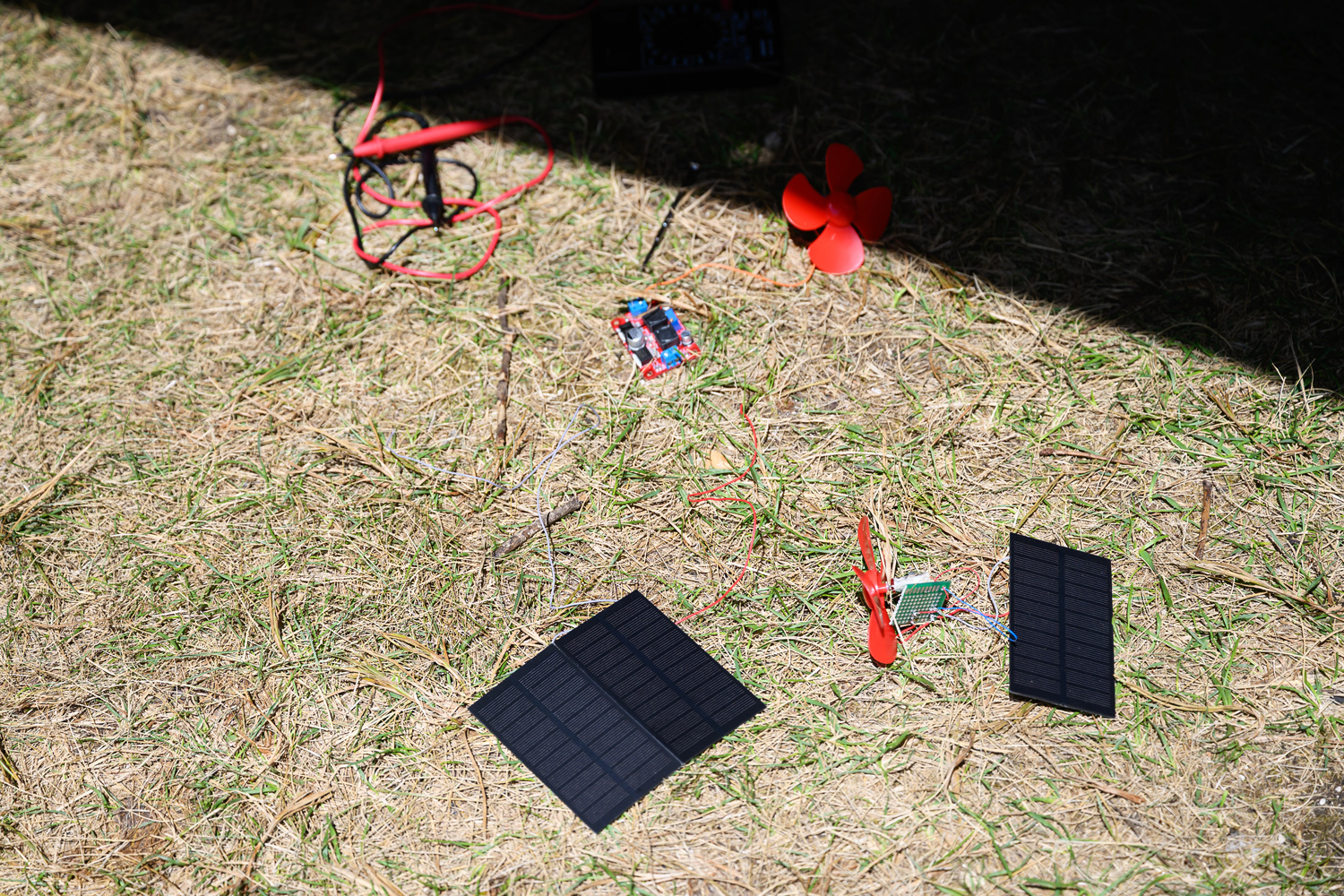
  • energy harvesting workshop
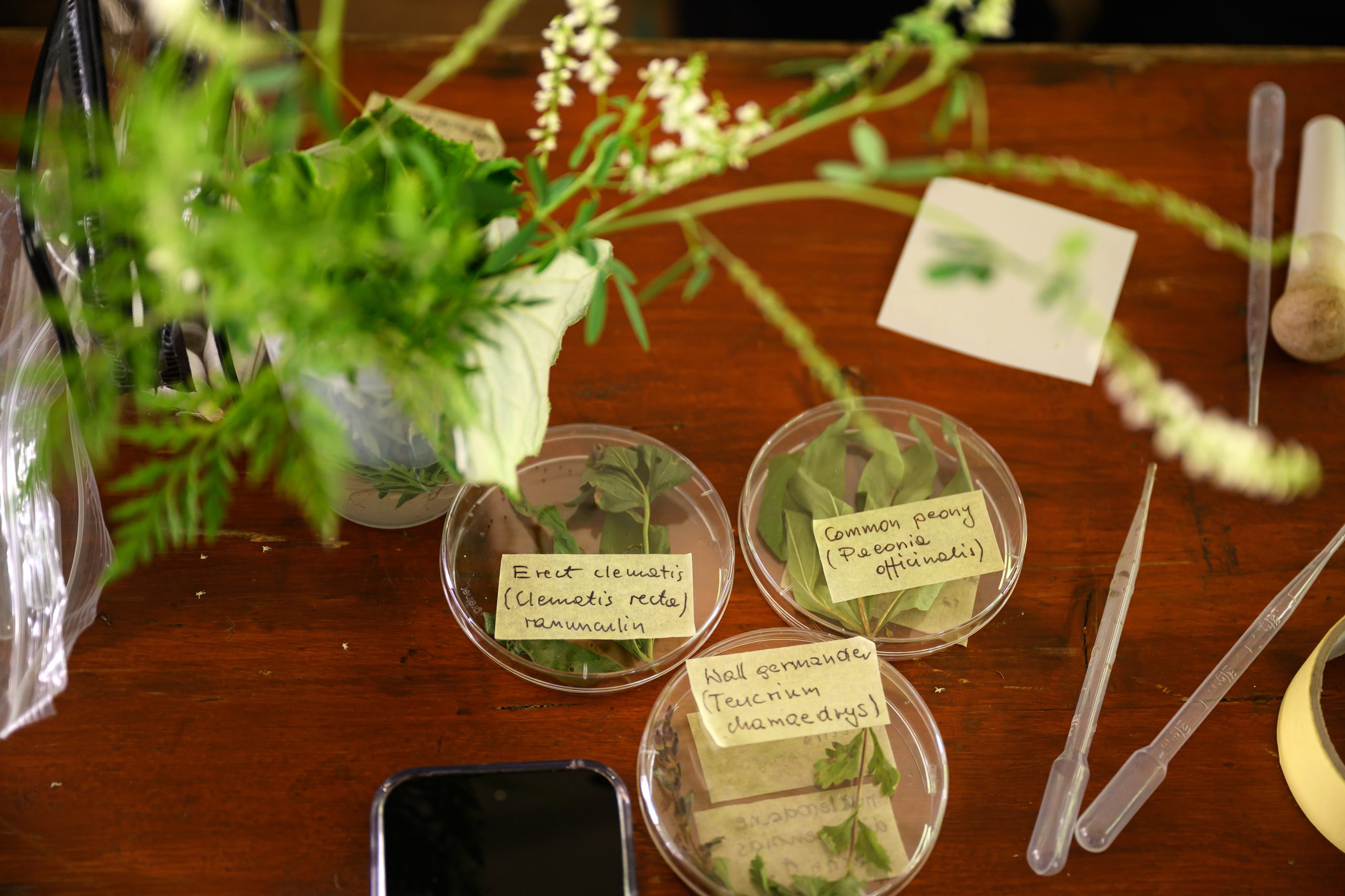
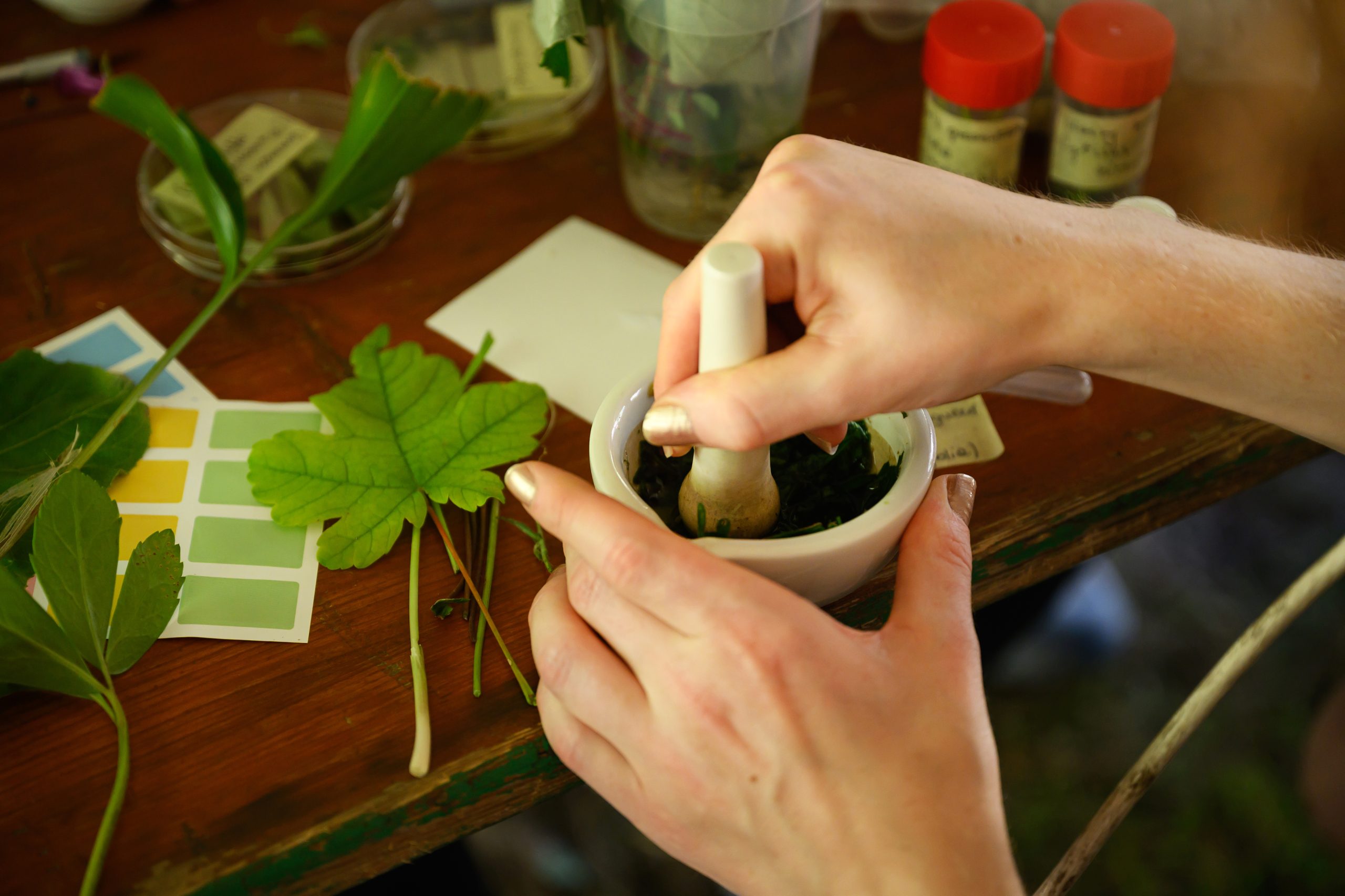
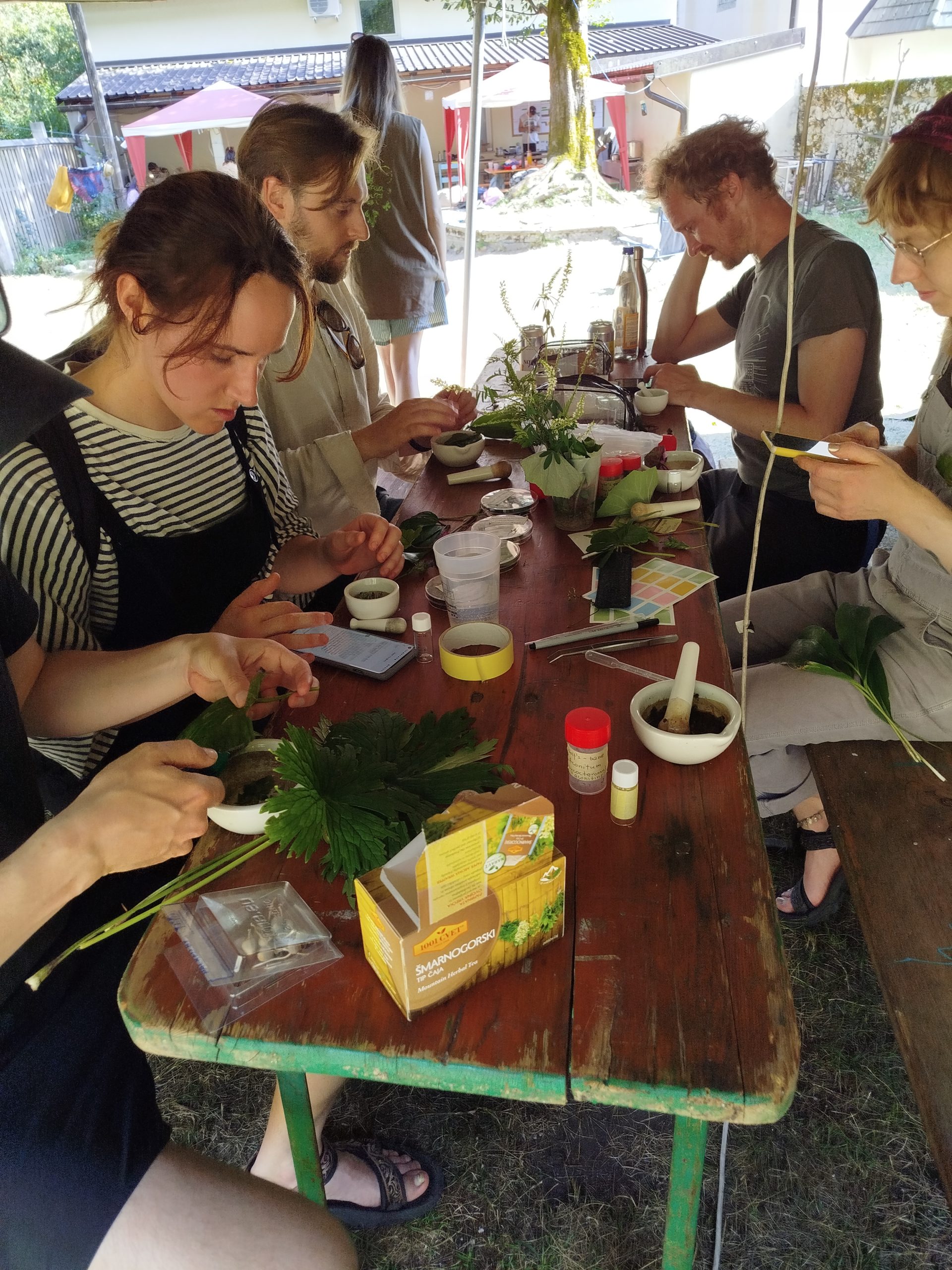
  • plant self-defence worksop
  • workshop workshop for workshopping workshops
  • a discussion on where waste goes
  • co-building a cardboard smoker
  • focus groups on technological failure
  • tai chi sessions
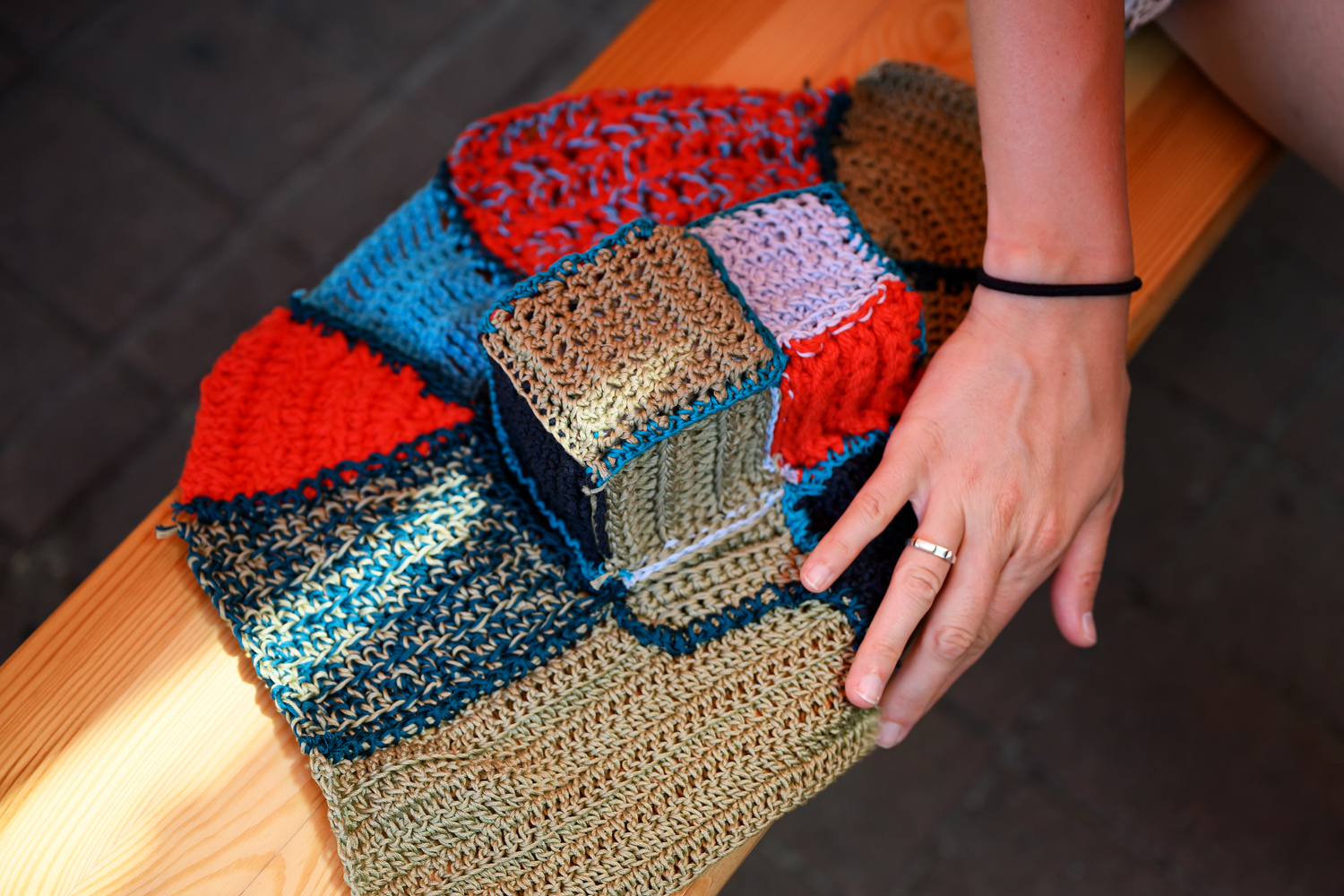
  • a workshop talk on data centres, crochet and dr seus
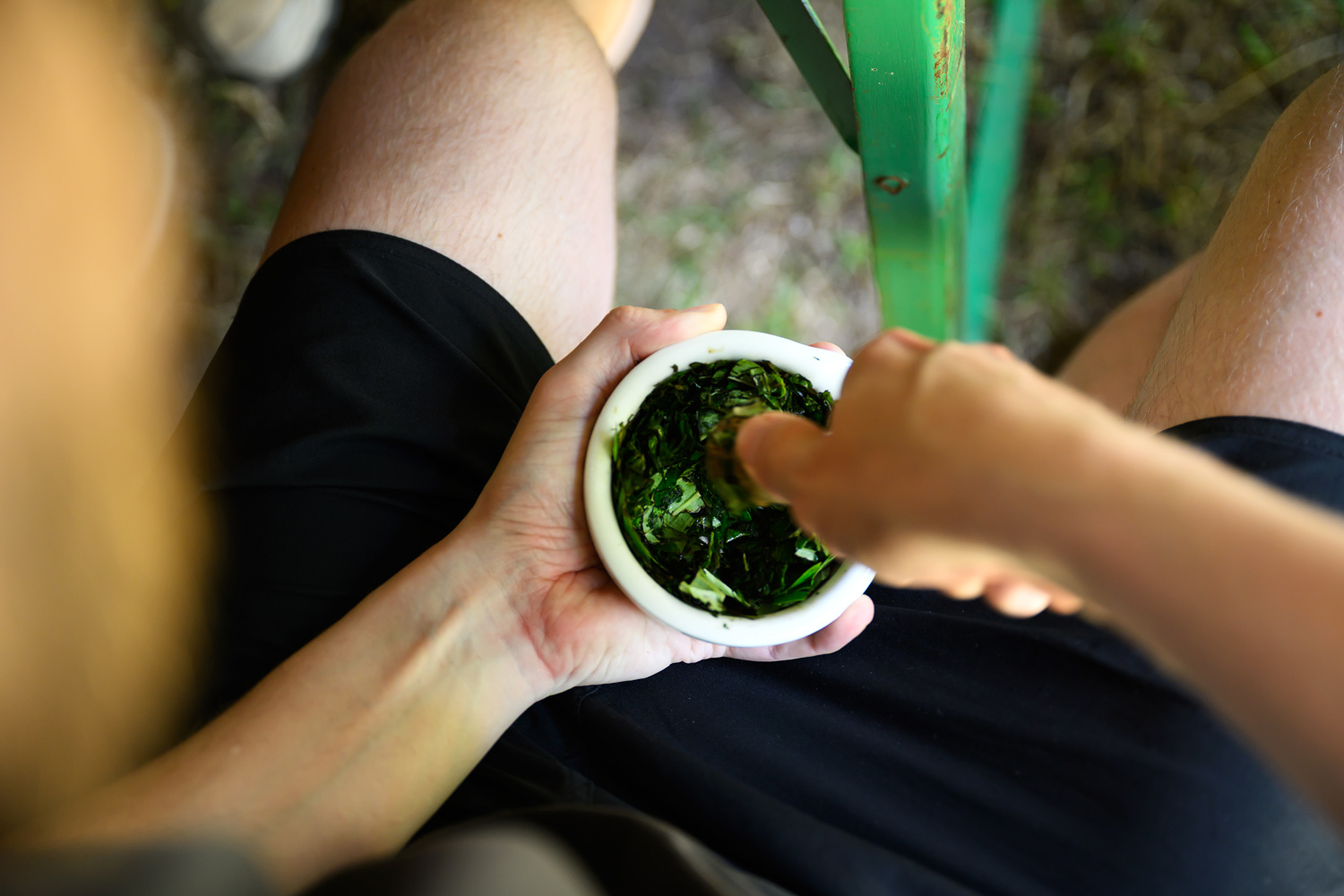
  • linden berry picking session
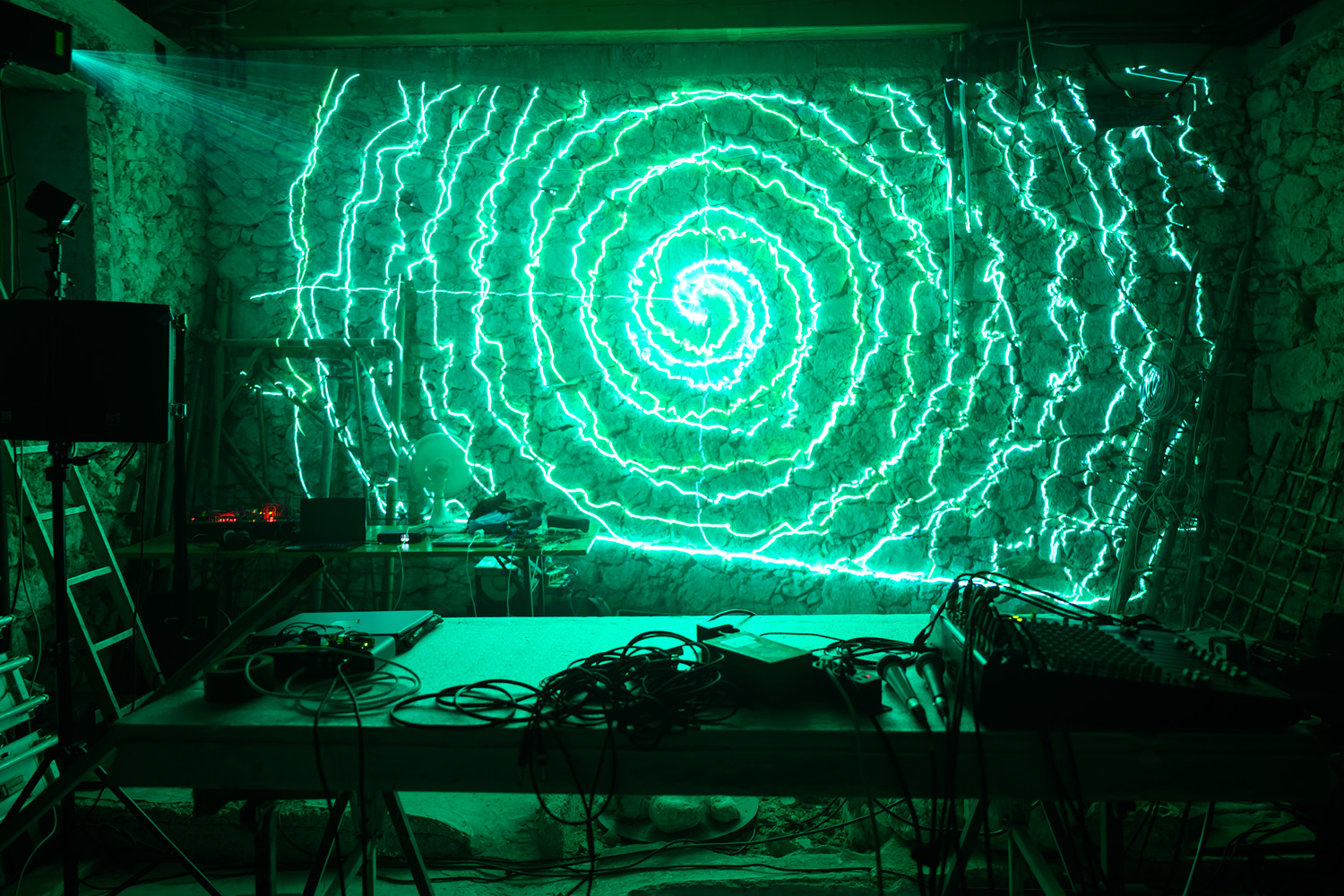
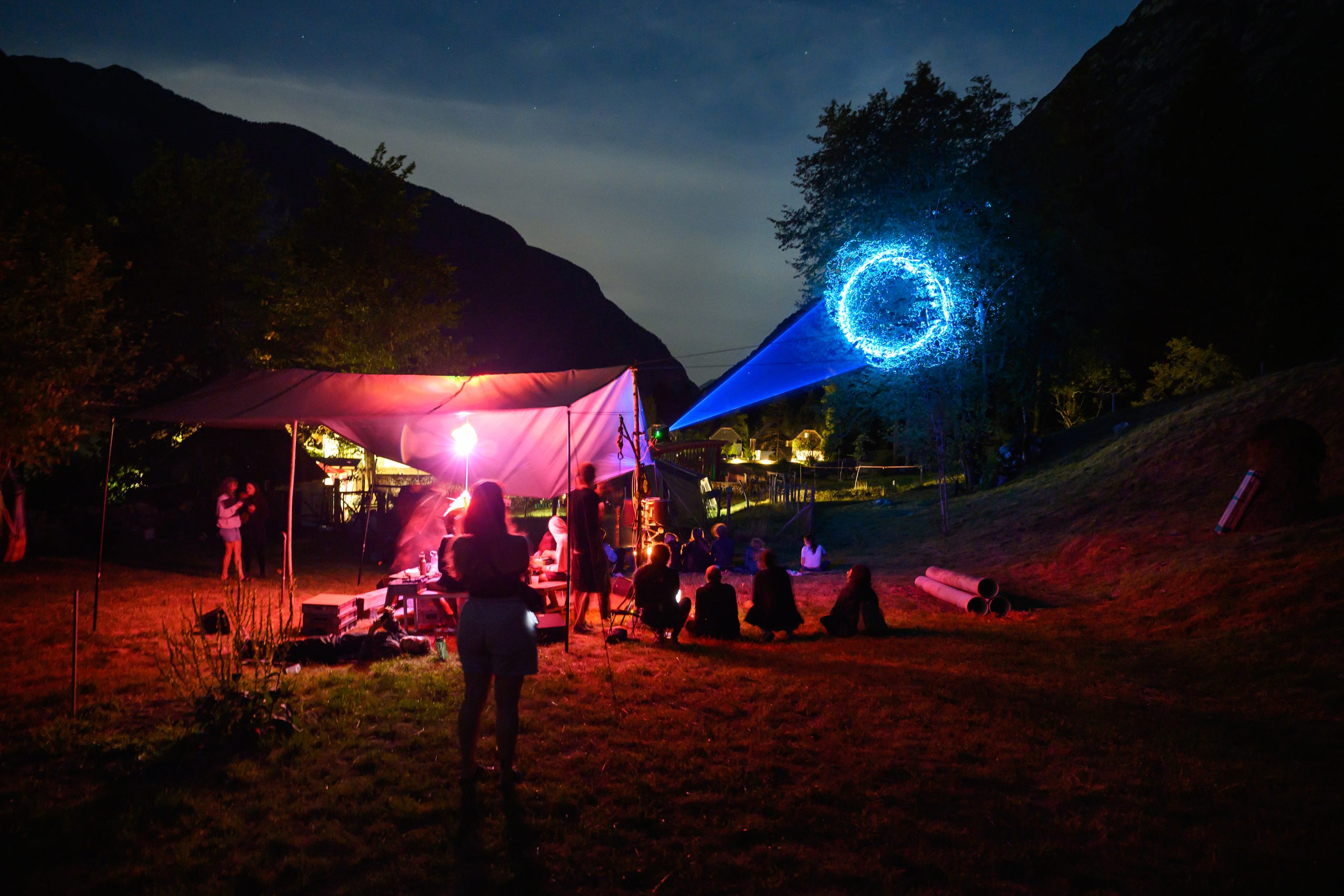
  • a laser show
  • a Hackers (1995) screening
  • daily VR experiences
  • two hikes

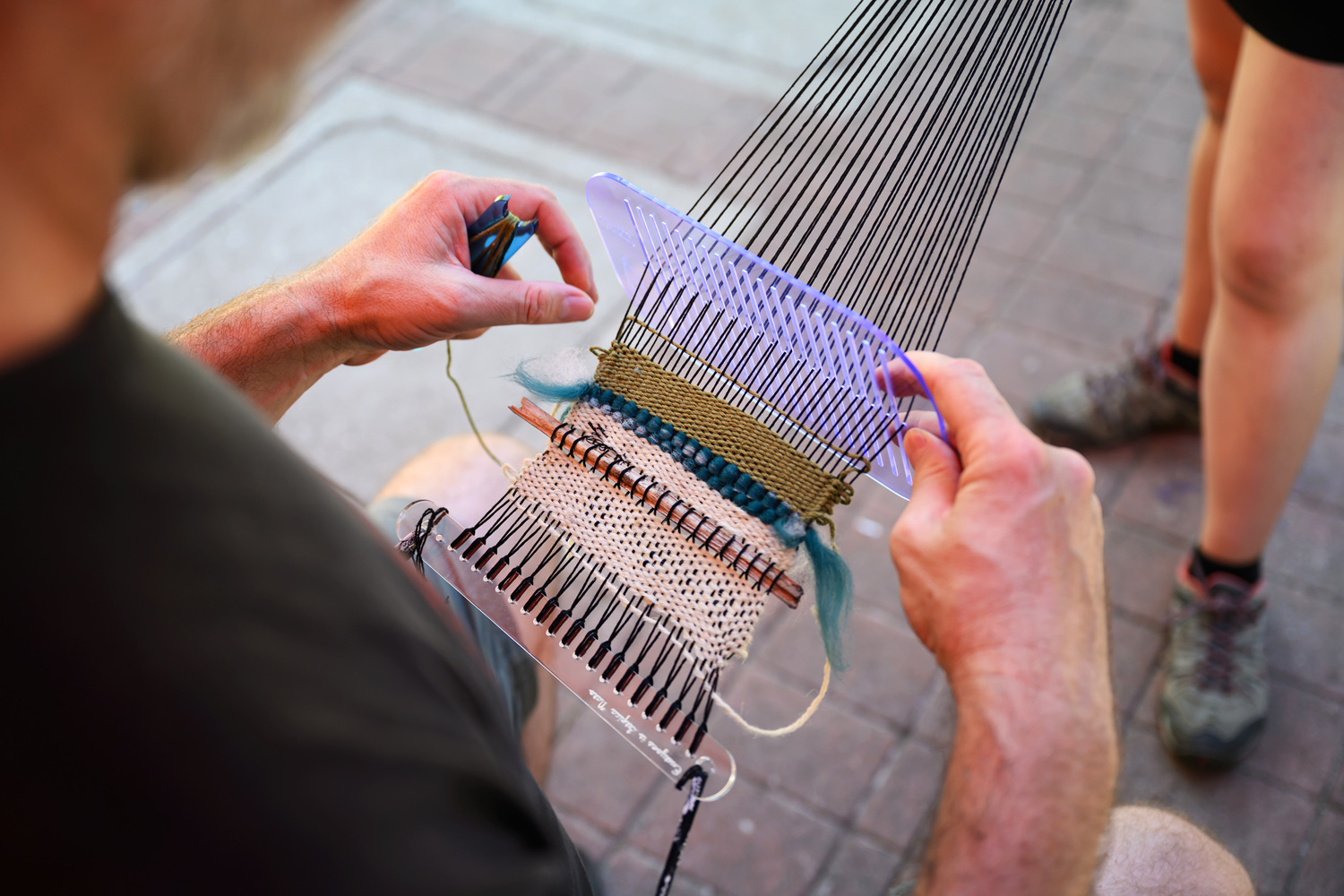
Somehow within all of that you can find people scattered around the space working on their projects. For some, running a session is part of the project. 

At events like PIF you have to become very comfortable with missing out; there’s simply no way to attend every session or be part of every conversation. There’s a constant shifting nature to the space and the people, it’s hard to pin down any element of this experience. Much like the Soča river, we are all flowing through PIF with a few things to slow us down here and there but ultimately there’s nothing to stop the passage of time and the days slipping away. 

There’s only a few days left and yet many are still in the middling stages of their projects, still embracing all the parts of each day, letting things happen and letting themselves be part of it. 

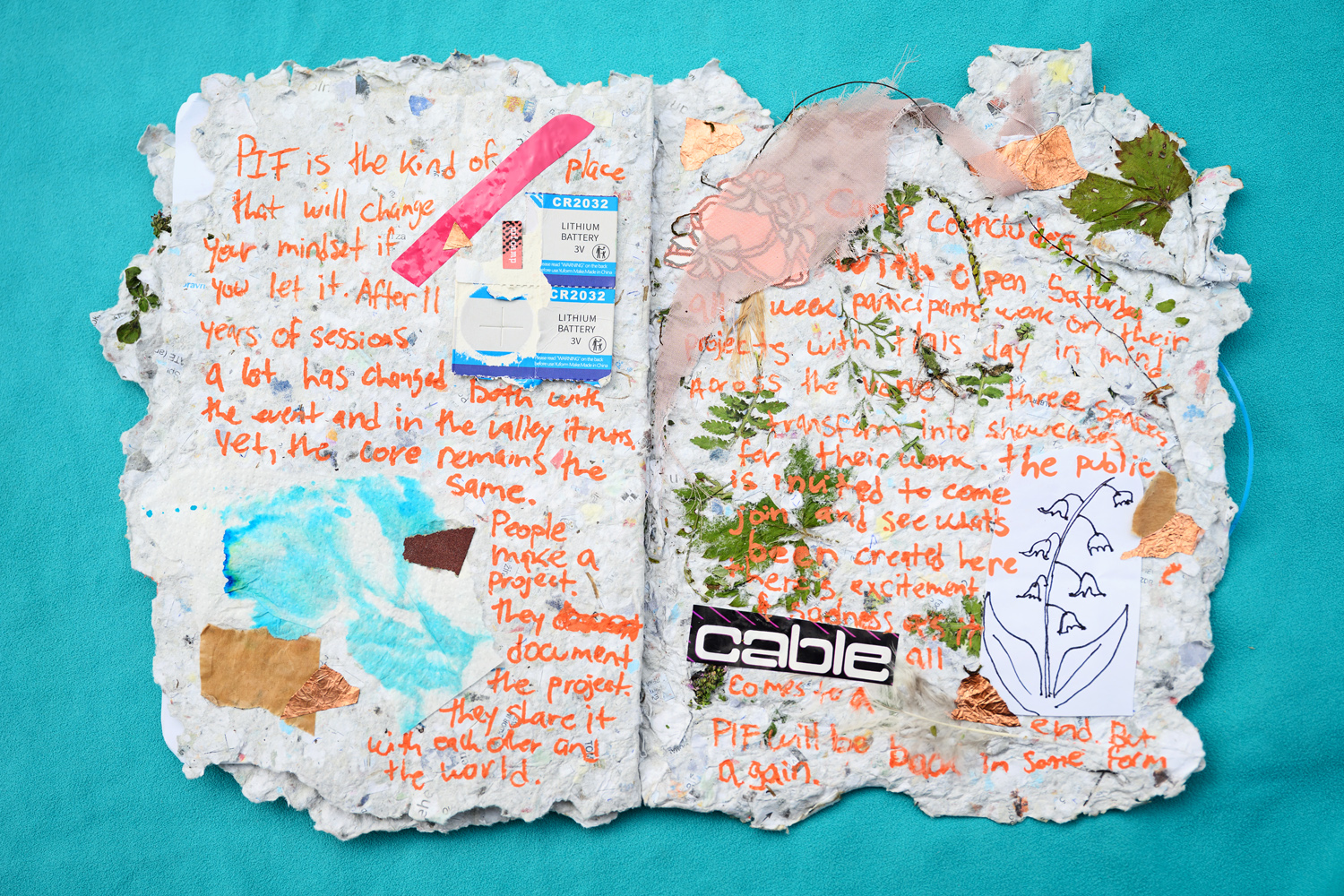
PIF is a magical place, it holds you close for a week of time and then sits with you beyond that. It will change how to approach your endeavours, what you consider to be success and failure, how you connect with others. It’s important to bask in every second, or else you might just miss out on the magic. 

Text by PIFparticipant Sid Drmay, photos by Katja Goljat.

First PIFimpressions by Sid Drmay

This is my first time at PIFcamp after years of hearing about it from friends who have been. Every time I heard about it felt like a far off idea, a concept of something that sounded neat but seemed near impossible to actually get to.

Turns out it IS very possible to get here, it just involves a little bit of planning. This year I’m one of two people who travelled from North America, a longer journey than most here. I took two planes and three buses, plus a 20 minute walk when one driver insisted that we get off at the wrong stop.
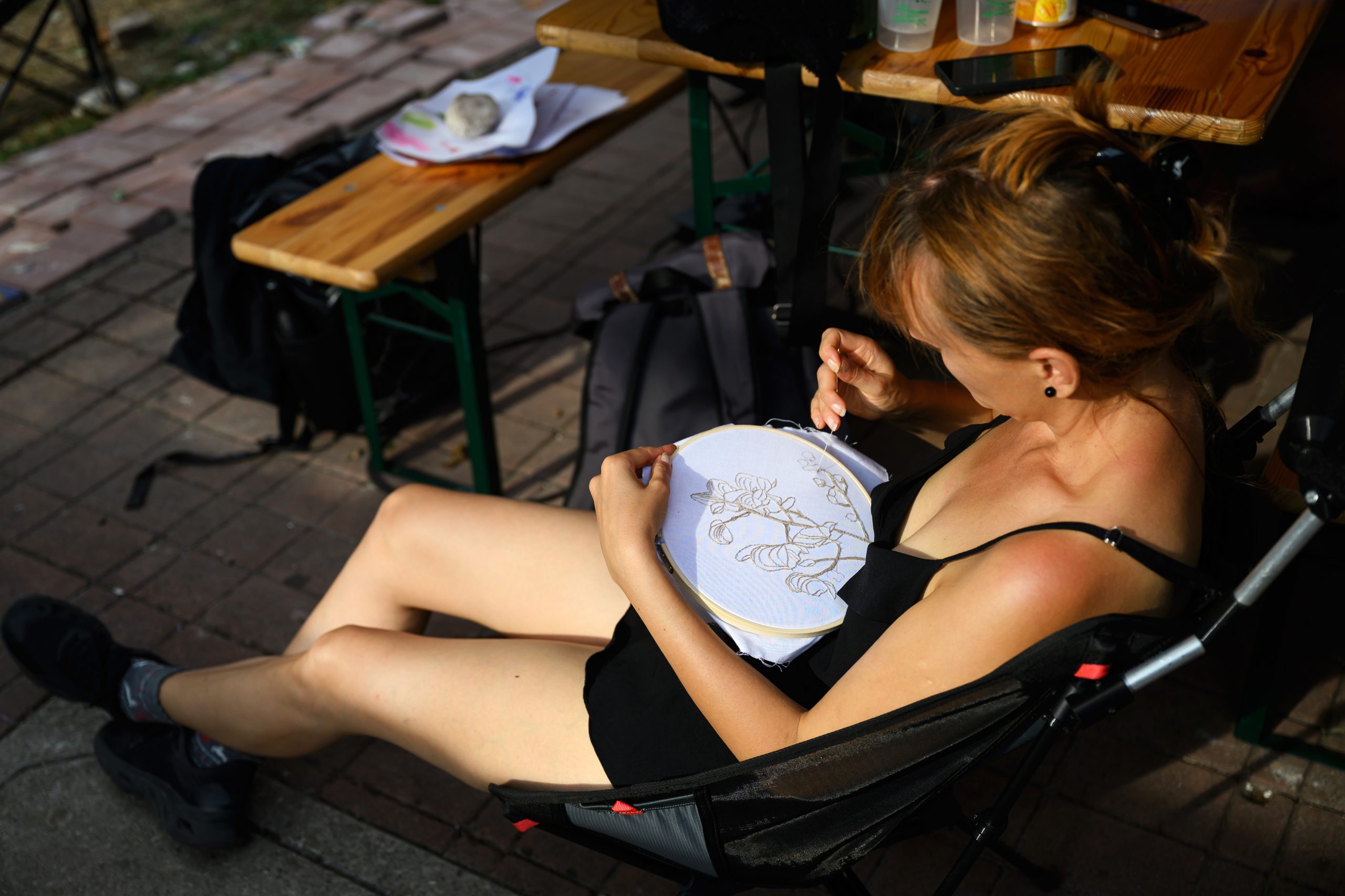
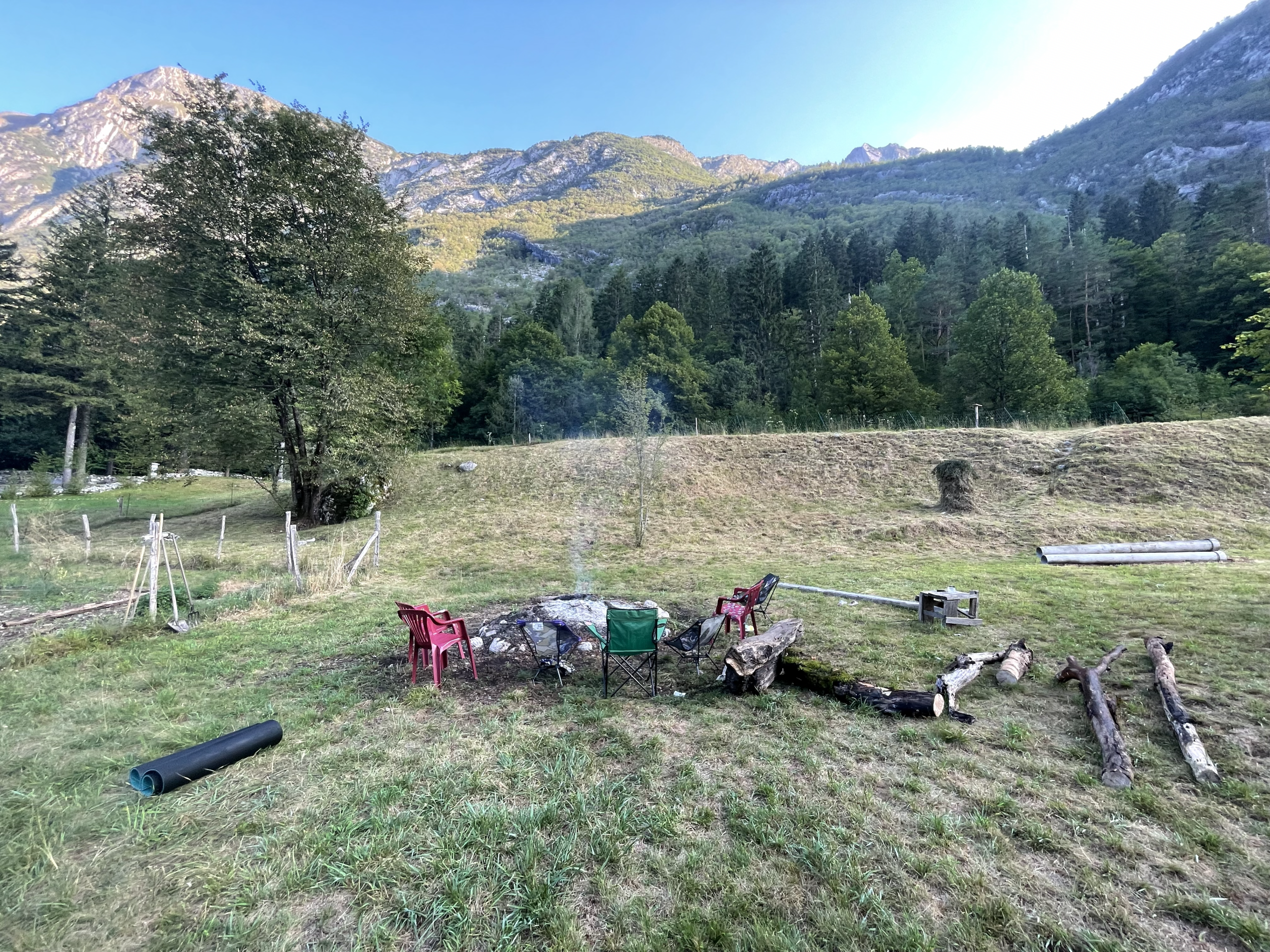
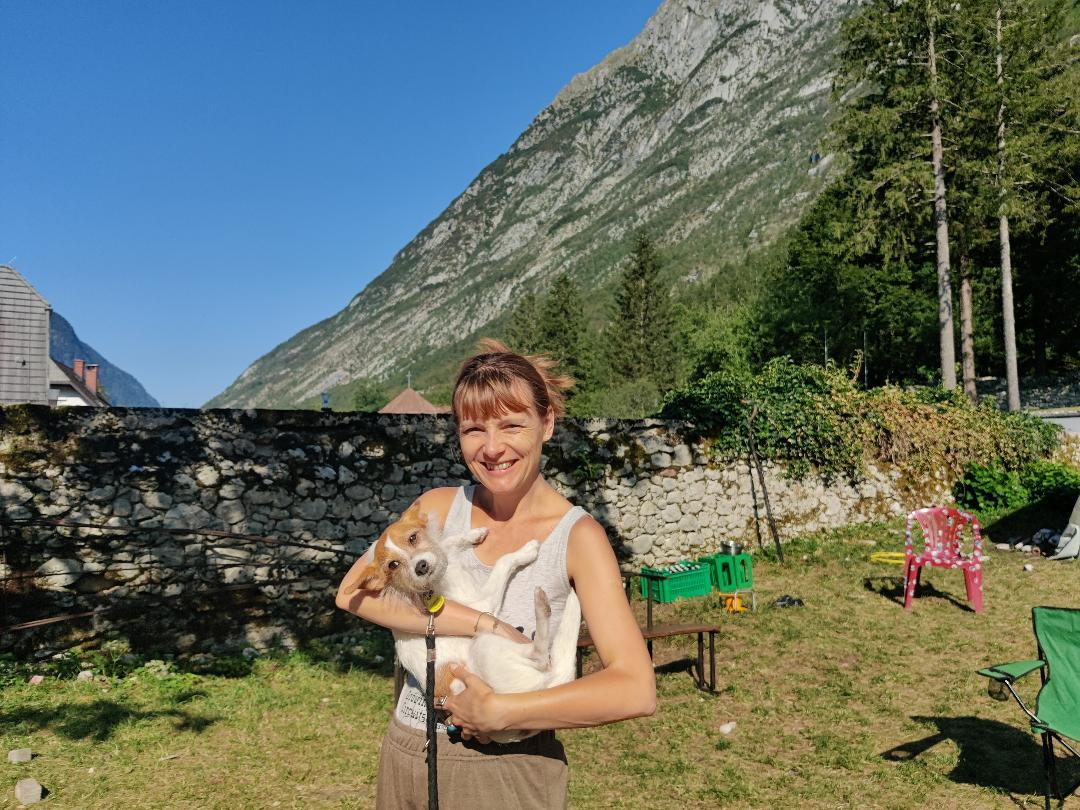
The Soča Valley cannot really be described. This area is so incredibly unique and beautiful in ways that I couldn’t really imagine before being here. Photos are nice but there’s something very special about the feeling of this place that must be experienced. 

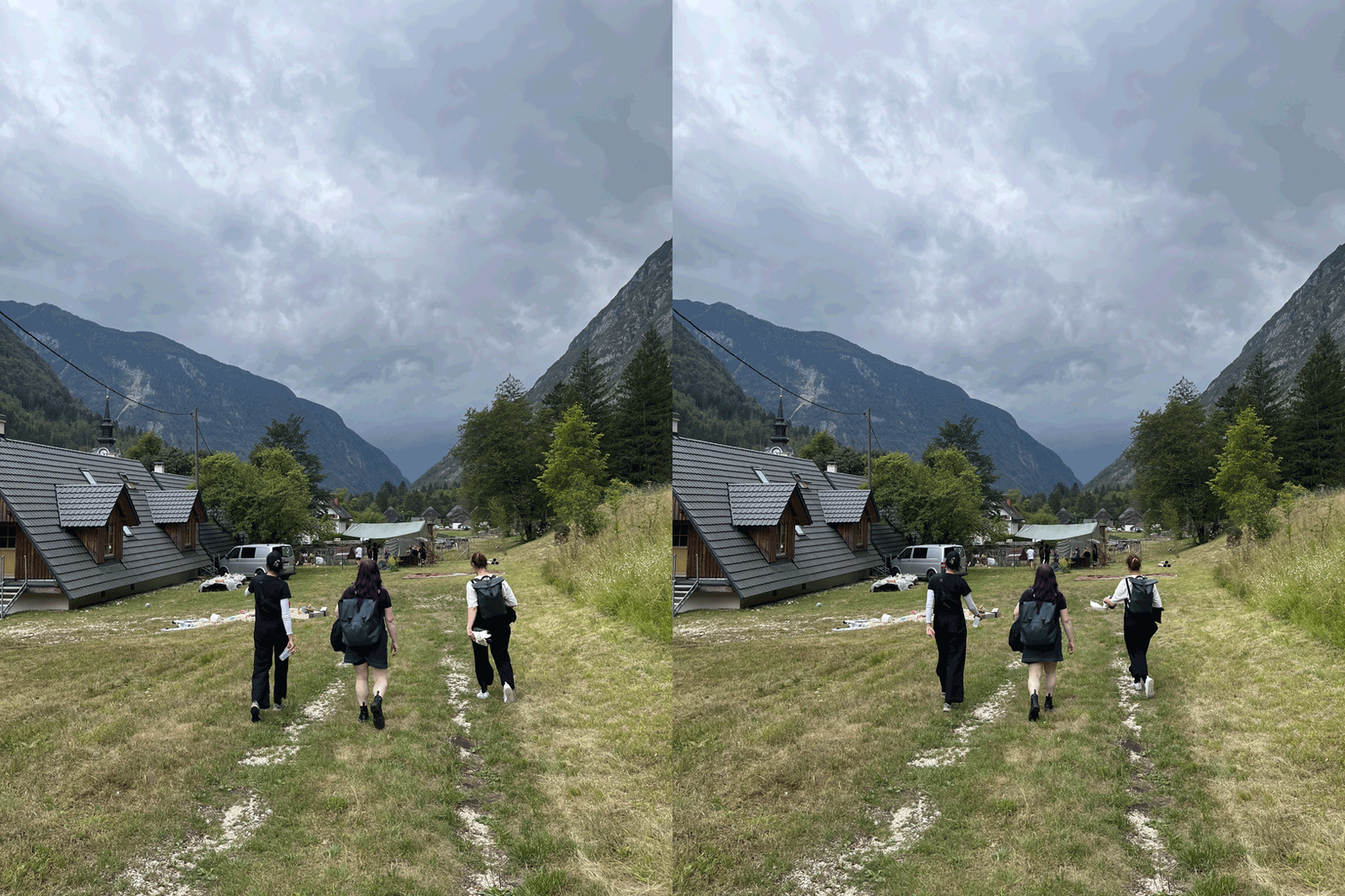
PIF is contained between massive mountains with a gorgeous turquoise river running through it. The main space is a house that houses half the group at night for sleeping, the kitchen, some bathrooms and a few rooms of supplies.
A short walk over leads to the school where the other half of participants sleep at night.

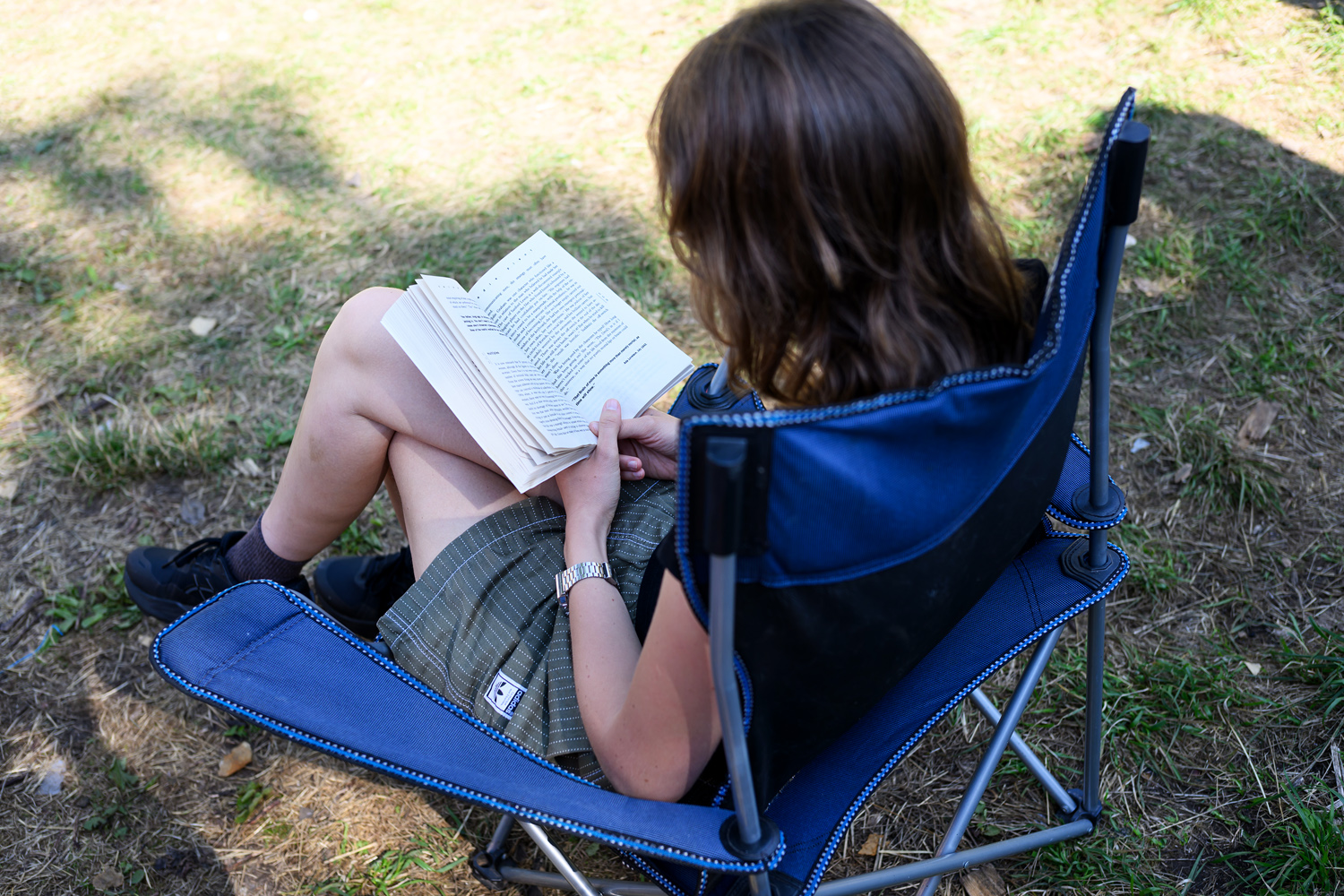
During the days, next to no one is inside unless they need to be. 

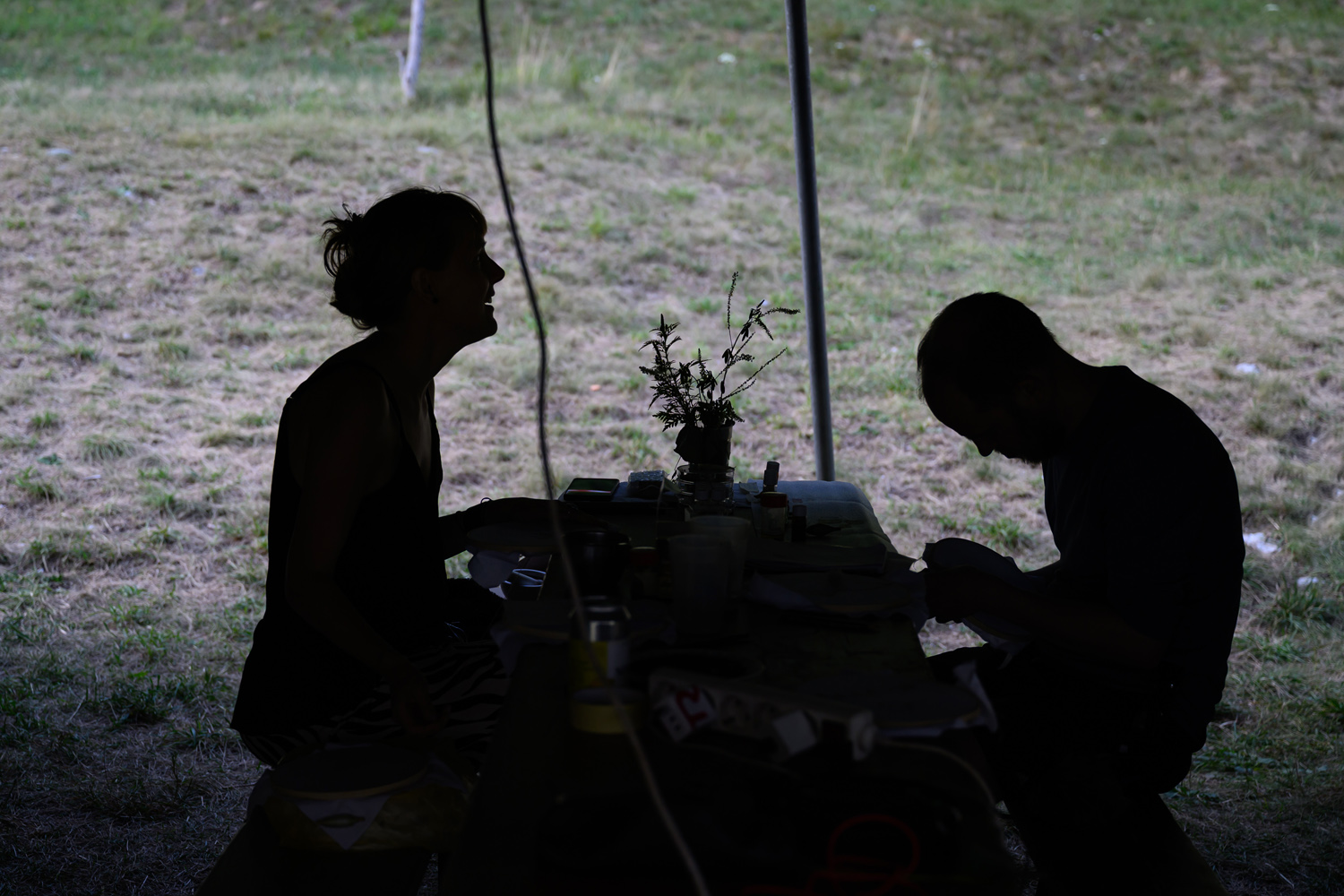
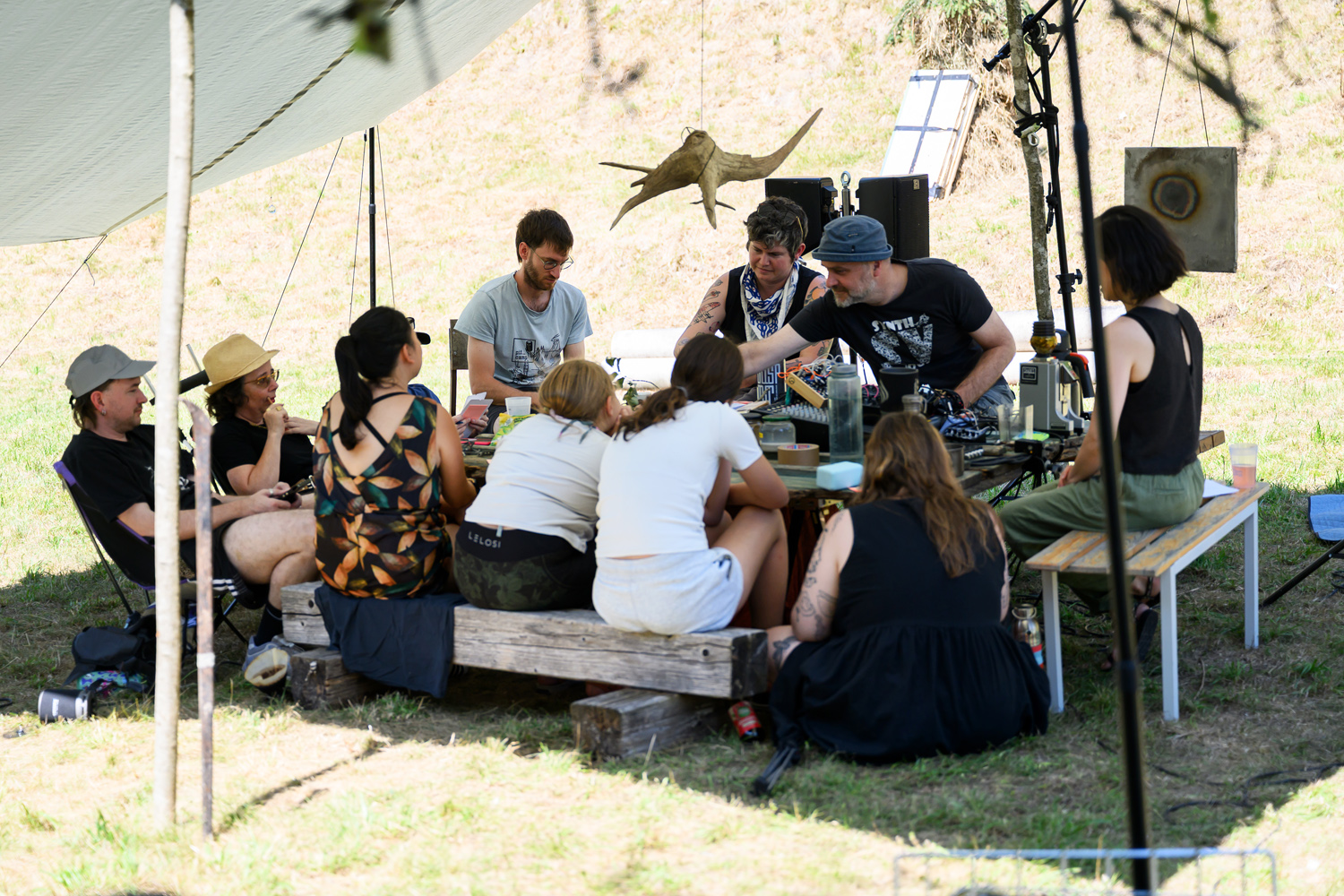
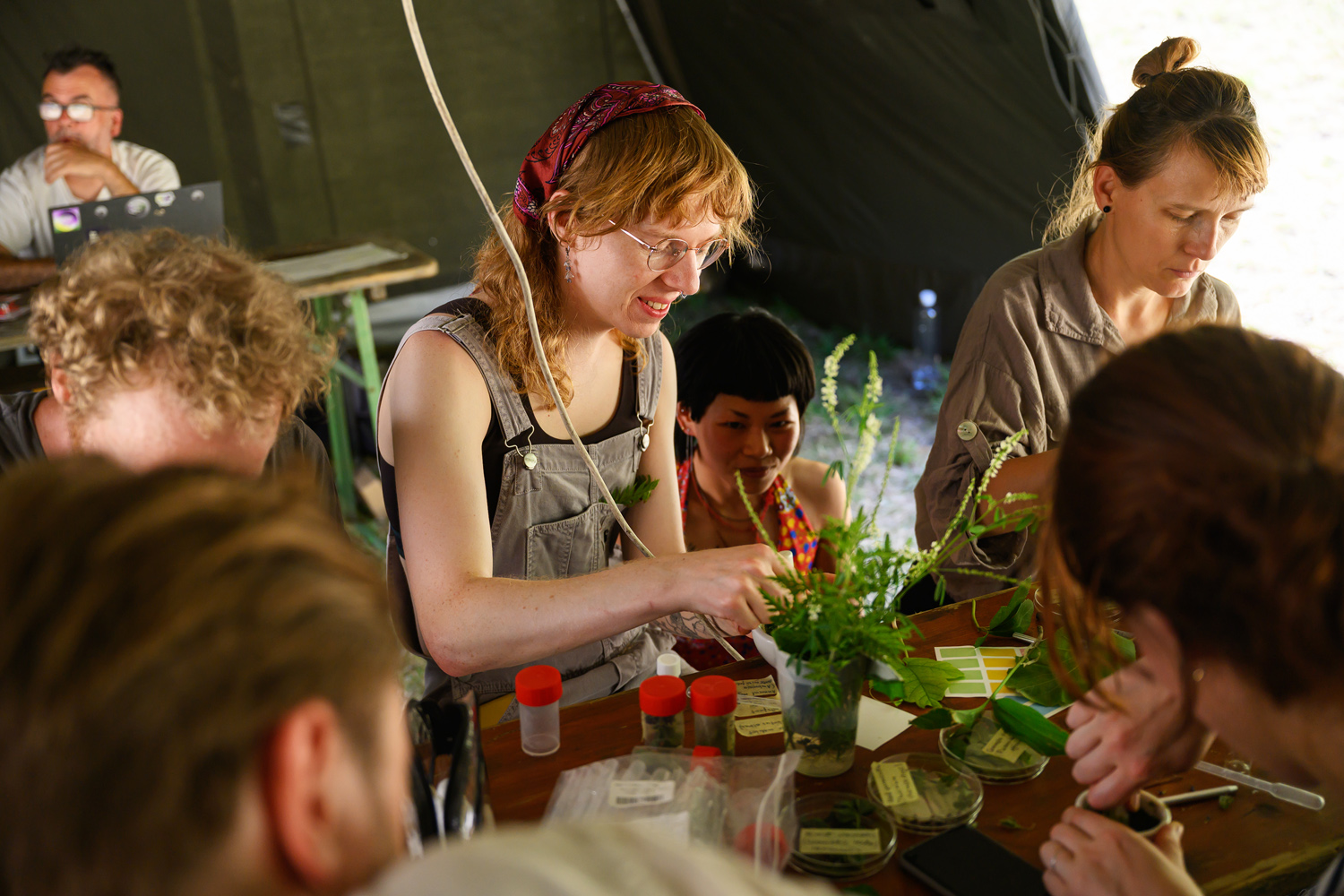
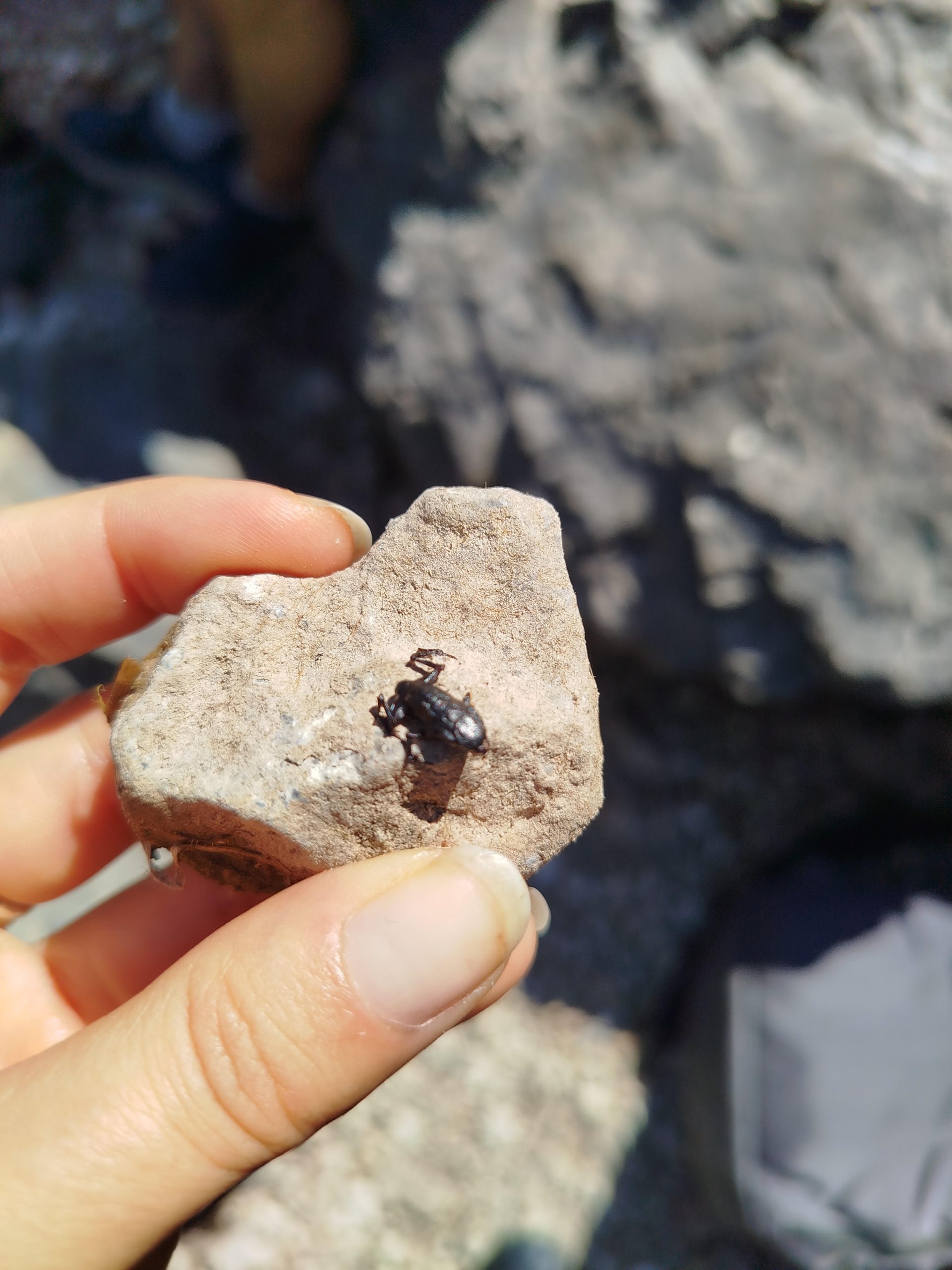
We spend most of our time outside at tables set up with far too many power bars, and everyone is constantly tinkering. Soldering irons are always hot, the temporary wifi is straining to keep up with the amount of users, and field recorders are aimed at every little sound that exists out here.
Leading up to camp I read up on other people’s projects ideas and felt a massive amount of imposter’s syndrome and intimidation. Everyone is extremely good at what they do. Everyone has specified knowledge in different areas that I do not. Everyone is really fucking cool.

Being at camp, I feel very lucky. The intimidation and imposter’s syndrome melts instantly when confronted with the reality that everyone here is actually just a huge dork about the thing they love and they want to share it. Isn’t it such a cool thing to be around people who are so curious and ambitious? What is better than spending time with people who are so willing to share what they know, sit with you and explain how their specific ideas come together? 

It’s been two days and I’m soaking in every second of being in the space. I’m looking forward to everything I’m going to get to learn, and already very thankful for the time spent listening to talks, sitting around a makeshift table in a field drinking coffee, participating in workshops and even sweeping the floors to make sure things are comfortable for everybody. It’s a beautiful thing to build with one another. 

Text by PIFparticipant Sid Drmay, photos by Katja Goljat.

The Week Plays Itself

A sonic study of a temporary ecosystem

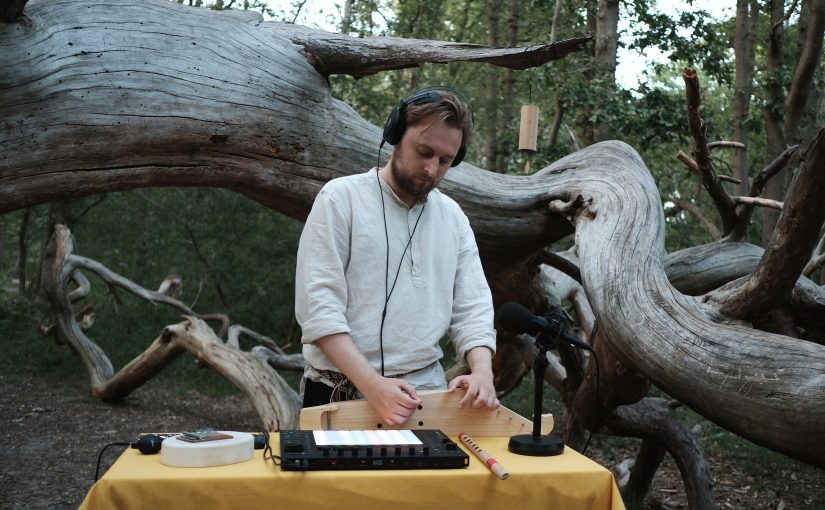
Dmitry Surugin, also known as Van Sur Les, is an Amsterdam-based composer and producer working across electronic music, theatre and narrative sound. His background in renewable energy and sustainable technology shapes his interest in how people, landscapes and technological systems interact.

For seven days, PIFcamp becomes a temporary ecosystem of nature, people and technology. Dmitry will collect sounds from the Soča River and surrounding forest, the stories people carry with them, and the hidden voices of the machines they build. Using Ableton, Norns scripts and Max for Live devices, he will shape these recordings into an evolving sound piece. Sounds and environmental data gathered during the week may also become control signals, influencing the sequencing, texture, spectral character and balance between the sonic layers.

The project plays with the fluid roles of composer, performer and instrument. Dmitry chooses the material and sets the rules, while natural processes influence how it is arranged and transformed. Nature would not remain a passive subject of the recording: its own rhythms and cycles would influence how the music unfolds.

The outcome may become a listening session, a live piece or a sonic diary. Other participants are welcome to contribute recordings, voices, musical gestures, unusual sounds or environmental data.

Kombucha Computing

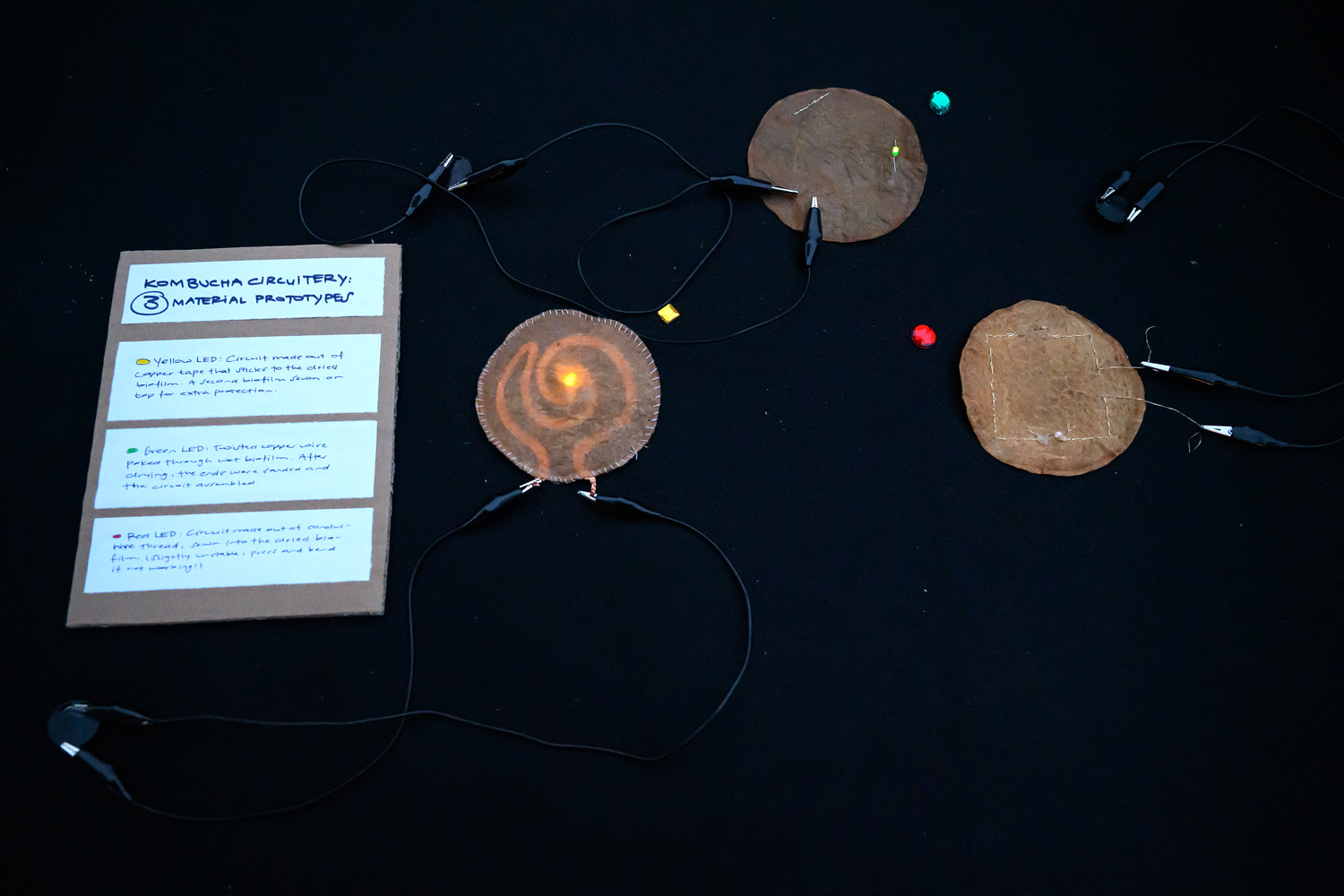
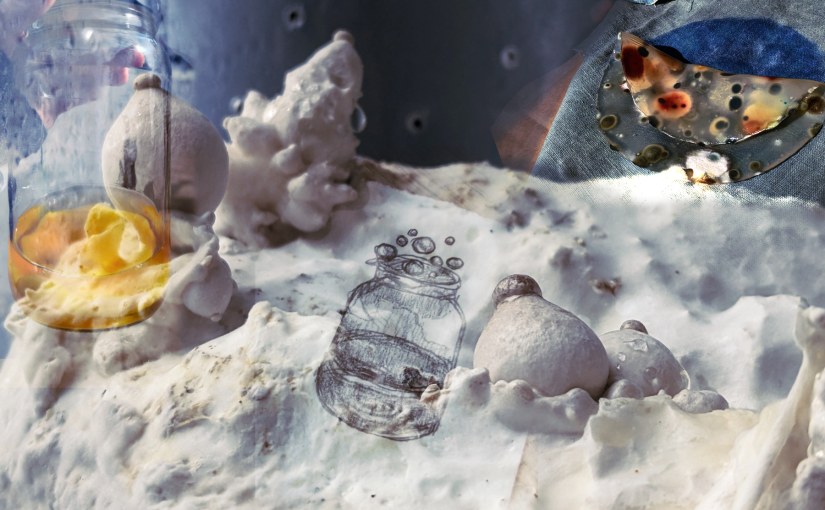
Lea Binsfled is fascinated by fungi and microorganisms and excited about every moment they teach us something new. In the past, she has grown molds and mushrooms to include in the process that guides her design work and artistic projects. Currently, she is learning about fermentation and making a lot of kombucha. At PIFcamp, she’d like to explore how kombucha cultures can be used in creative work, computing or creative computing. How can we use kombucha leather to build de-composable server cases? Could a dried SCOBY mat be used to replace a printed circuit board? Can we get electricity from the fungi and bacteria that are mingling in an active culture? How could we use the heat emitted by our computers to boost our home made ferments in the cold seasons? There is no clear plan for an activity yet, but a lot of openness for sharing ideas and bubbly drinks.
Eat Your Words

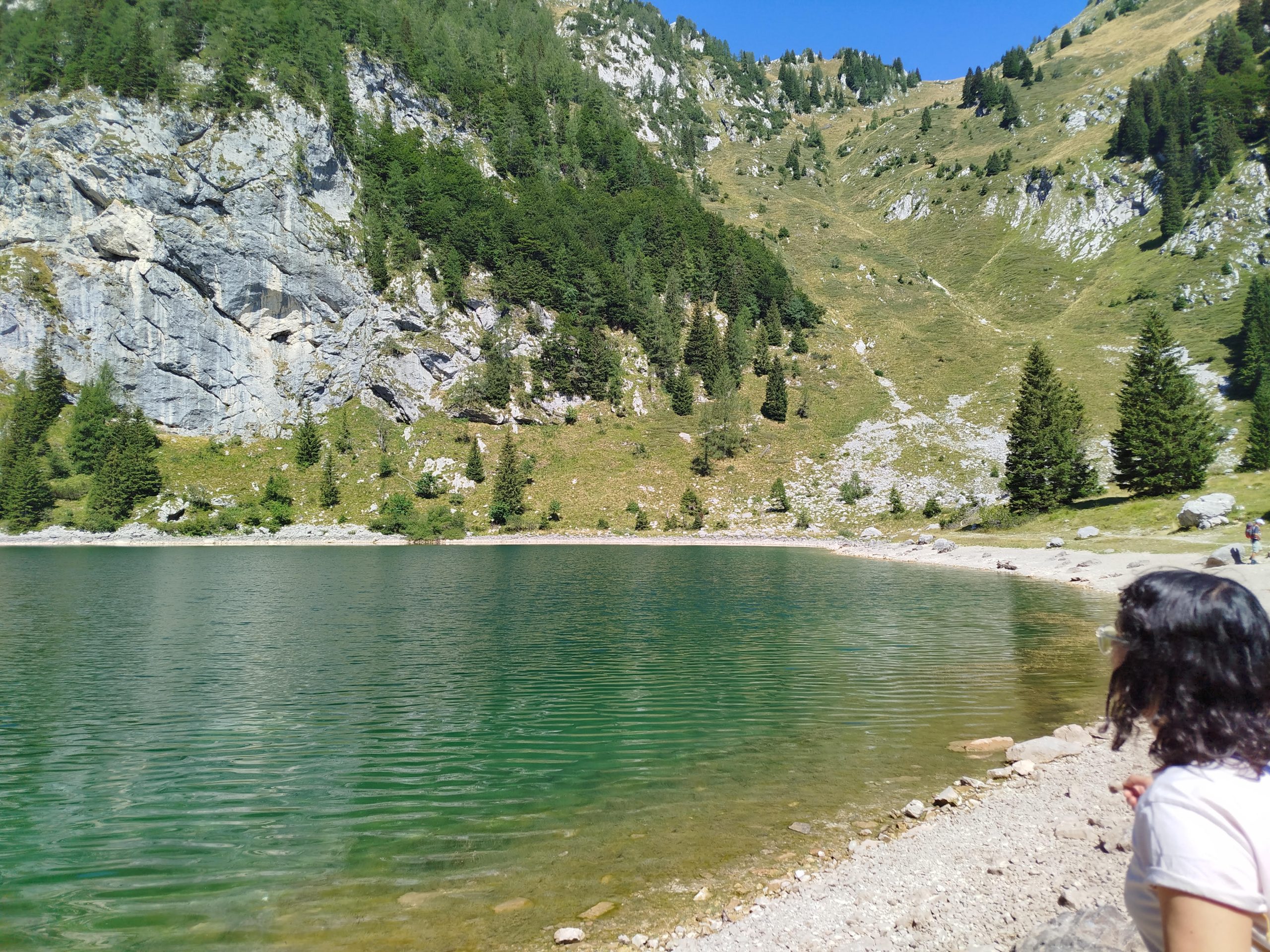
Fransisca’s year #4 at PIFcamp will go like this: Come by to experiment, chat or document together! Whether it is a sensory meditation, a spontaneous taste test, fermenting session, or a casual conversation about food and life. Everyone is welcome to partake, play and create!

Fransisca is a food experience designer and artist, she uses food as a multisensory canvas to explore community and ecosystem thinking.

Photo by Katja Goljat.

What is Vodolivka?

Boštjan Čadež aka FŠK explains it like this:

Vodolivka is a low-cost automated system for watering up to 16 plants, each on its own schedule. It’s my second attempt at solving this problem.

The usual way to build something like this is with one solenoid valve per output. They work, but they get expensive at 16 channels, they need more electronics to drive them, and in my experience, they don’t always close reliably, which is a real problem when a leak means an overwatered plant or an empty tank.

So Vodolivka tries a different approach. The 16 lines run through 3D-printed pinch valves arranged in a circle, each squeezed closed by default. In the middle sits a stepper motor with an arm that rotates to point at any one of them, pushing that valve open while the rest stay shut. One motor operates all sixteen valves instead of sixteen solenoids.

The rest is straightforward: an ESP32 for the brains, a DC pump to move the water, and a flow sensor that confirms water is actually moving, so the system can tell if the tank is empty or the pump has failed rather than quietly watering nothing. Everything is configured through a web interface served from the ESP32 itself, where you set the amount and interval for each output. No app, no cloud.

It’s still very much a plan rather than a proven system. The whole point is to find out whether one cheap actuator and some clever geometry can do the job more reliably than a pile of solenoids. That’s the experiment. And if it works, I won’t have to bother my friends to water my plants next year. ;)

Two Ways to Make Sounds

One project by Thomas Gibbs explores a new approach to making sound from 2D data. Past approaches either yield rather noisy unwieldy audio and/or a dense frequency spectrum. The engine he is currently building can create more predictable oscillators. They can be controlled via MIDI or OSC and could work nicely in live coding environments.

The other project explores the synthesis of insect sounds. Many sounds in sound synthesis are constructed from idealised, mathematical building blocks like sine waves or delay lines. This creates a certain timbre. Insects on the other hand produce sounds often using mechanical approaches, thus incorporating imperfections in their waveforms. Thomas aims to explore these imperfect audio synthesis paths.

Thomas Gibbs spens too much time with technology and now tries to make machines behave themselves.

Elektrosluch Mini & Laser Dusting Sweeper

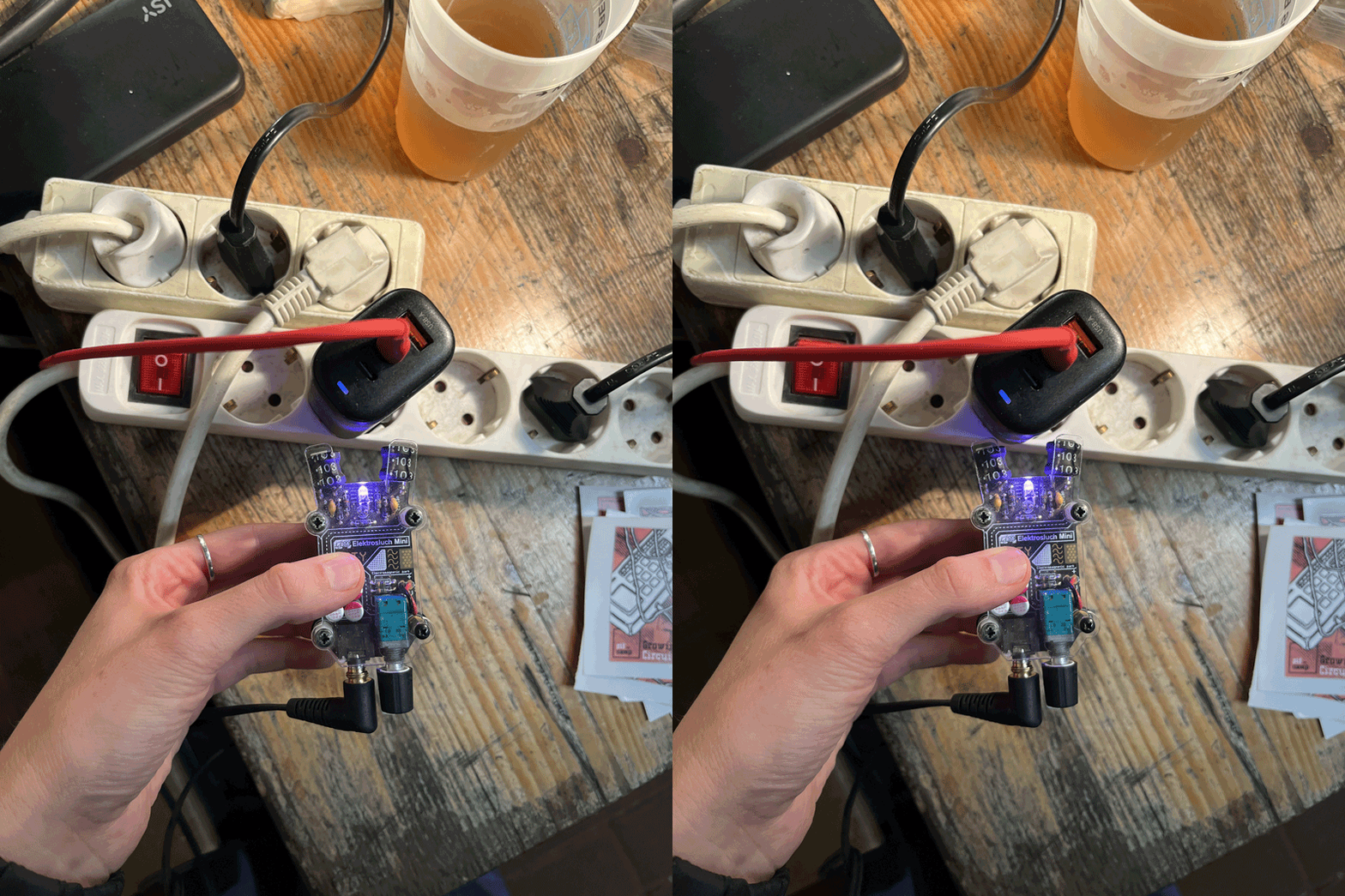
Rasinger family will once again host a soldering workshop where you can an Elektrosluch Mini City – a DIY kit of Elektrosluch, an open-source device for electromagnetic listening. It allows one to discover sonic worlds of electromagnetic fields, surrounding our every step. Just plug your headphones & explore. Concept & electronics by Jonáš Gruska.

In their humble opinion the Elektrosluch Mini is one of the coolest and fun DIY devices out there. It is an easy build and unveils the hidden acoustic beauty of electromagnetic fields. Either you are at the beginning of your soldering career or already a soldering wizard endboss. The Elektrosluch Mini will intrigue you either way. The workshop will be held by the siblings Runa and Oskar with their assistant Bernhard. Be sure to bring headphones with a TRS connector!

On the other topic Bernhard will investigate the Laser Dusting Sweeper. The plan is to combine state of the art laser technology with a household known cleaning device, which collects dust like a magnet with electrostatic charge. The laser will highlight dust on the floor to visualise chaotic patterns in the dust and lets you see where cleaning is still necessary. Plus having a laser on a broom makes the use of the broom so much more sophisticated and fun and therefore leading to a cleaner home.